

Physical Therapy for Hyperlordosis in NYC
Manhattan Physical Therapy
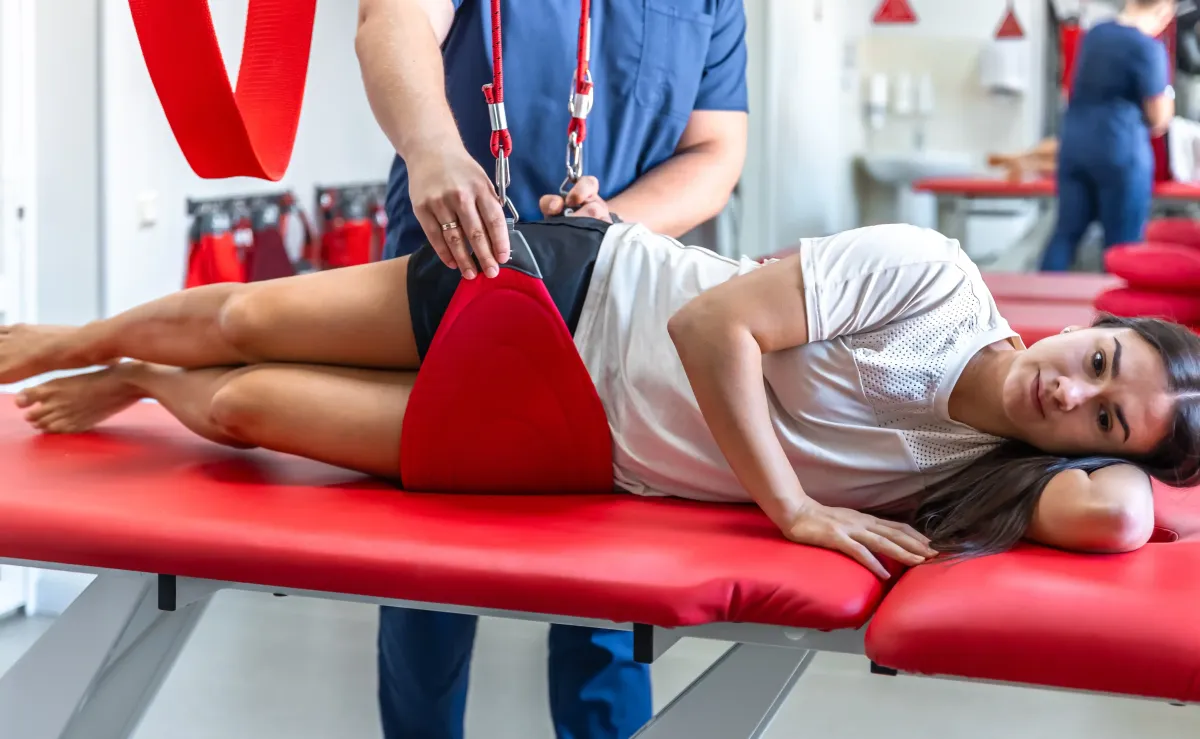
An exaggerated curve in the lower back can affect more than posture. For some people, hyperlordosis comes with lower back pain, stiffness, muscle tightness, or difficulty moving comfortably. For others, the curve may be noticeable without causing any symptoms at all. This is one reason treatment should focus on how your back functions and what is causing your symptoms, rather than simply trying to “straighten” the spine.
Physical therapy can help address muscle weakness, tightness, movement limitations, and poor postural habits that may contribute to excessive lumbar curvature.
What Is Hyperlordosis?
Hyperlordosis is an excessive inward curvature of the lumbar spine, the section of the spine located in the lower back just above the buttocks. The lumbar spine naturally has an inward curve called lordosis. Hyperlordosis occurs when that curve becomes more pronounced than normal, creating a characteristic C-shaped appearance when viewed from the side.
A pronounced curve does not automatically mean that something is wrong. Natural lumbar curvature varies considerably from person to person, and research does not show that the size of the lumbar curve alone determines whether someone will develop low back pain. Muscle weakness, limited mobility, and imbalances around the lower back, pelvis, hips, and thighs can also influence symptoms.
For this reason, a physical therapist may look beyond the appearance of your spine. An assessment can examine your posture, spinal and hip movement, core and glute strength, muscle flexibility, balance, and how you move during everyday activities.
Symptoms of Hyperlordosis
Some people with hyperlordosis have no pain at all. When symptoms are present, they can range from mild discomfort to more persistent problems affecting movement and daily activities. Common symptoms include:
Stiffness or tightness
Muscle spasms
Difficulty moving
Tingling or numbness
You may also notice a more pronounced inward curve in your lower back, with the abdomen and buttocks appearing more prominent when viewed from the side. However, posture alone cannot confirm hyperlordosis or identify its cause.
When should you seek medical evaluation?
If your back pain is worsening, persistent, or accompanied by numbness, tingling, significant muscle spasms, or changes in bowel or bladder control, you should seek medical attention rather than treating the problem as a simple posture issue. These symptoms can point to an underlying condition that requires further evaluation.
What Causes Hyperlordosis?
Hyperlordosis can develop for several reasons, and there is not always one single cause. Prolonged sitting, poor posture, reduced physical activity, muscle weakness, and certain spinal conditions can all play a role.
Prolonged sitting and poor posture
Spending long periods sitting can place repeated demands on the muscles supporting the lumbar spine. If the core muscles are not providing enough support, the muscles around the lower back may become overworked or tight. Over time, this can contribute to altered pelvic and spinal positioning.
This can be particularly relevant for people who spend much of the day at a desk, commute for long periods, or have limited opportunities to move during the workday.
Weak core and glute muscles
The muscles around the abdomen, pelvis, hips, and lower back work together to stabilize the spine. Weakness in these areas can contribute to muscular imbalance and may affect how the lumbar spine and pelvis move. Research cited in the source material also links trunk-muscle weakness with increased lumbar curvature and low back pain, although hyperlordosis itself should not be considered the sole cause of back pain.
Tight or imbalanced muscles
Tight hip flexors and shortened back muscles, combined with weak abdominal and gluteal muscles, can affect pelvic positioning and movement. This type of muscular imbalance is sometimes described as lower crossed syndrome.
Reduced physical activity
A lack of regular exercise can contribute to weaker muscles and reduced flexibility. On the other hand, hyperlordosis can also occur in active people, including athletes, when repetitive sports demands are combined with particular strength or mobility limitations.
Other underlying conditions
Not every case is related to posture or muscle imbalance. Certain spinal conditions, congenital abnormalities, spondylolisthesis, and other structural problems can contribute to excessive lumbar curvature. When an underlying condition is suspected, a medical evaluation may be necessary to determine the appropriate treatment.
How Is Hyperlordosis Diagnosed?
A noticeable curve in the lower back does not necessarily confirm hyperlordosis. A healthcare professional will consider your symptoms, posture, movement, medical history, and physical findings when determining whether the curvature is contributing to your problem.
Because normal lumbar curvature varies between individuals, imaging may sometimes be used when a structural problem is suspected. An X-ray can help assess the spinal curvature, while an MRI or CT scan may be recommended when there is concern about an underlying soft-tissue or spinal abnormality. A physical therapy evaluation can provide another important part of the picture. Your therapist may assess:
Lumbar and hip range of motion
Core and glute strength
Flexibility of the hips, hamstrings, and lower back
Pelvic and spinal positioning
Balance and movement control
How symptoms change during everyday movements or exercise
How Physical Therapy Helps Hyperlordosis
Physical therapy for hyperlordosis generally focuses on improving the way the muscles and joints around your spine work together. Depending on your evaluation, treatment may include strengthening, mobility exercises, posture and movement training, and strategies for managing pain.
Core strengthening is often an important component. The abdominal and trunk muscles help support the lumbar spine and pelvis. Strengthening these muscles can improve stability and movement control without requiring you to eliminate the natural curve of your lower back.
Your therapist may also work on the hips and glutes. Tight hip flexors, weak gluteal muscles, and other muscular imbalances can influence pelvic positioning and place additional demands on the lower back. Addressing these areas can help you move more efficiently during activities such as walking, lifting, squatting, and exercising.
Treatment may also include hands-on techniques or passive treatments when appropriate. Depending on your symptoms, these can include heat, cold therapy, or dry needling alongside an active exercise program.
Exercises for Hyperlordosis
Your specific exercises should depend on your strength, mobility, symptoms, and physical therapy evaluation. Exercises commonly used to improve core, hip, and lower-body strength include:
Dead Bug
The dead bug trains your abdominal muscles while challenging you to maintain control of your pelvis and lower back. It is performed lying on your back with your knees bent and arms raised. You then slowly lower the opposite arm and leg while keeping your trunk controlled.
Bird Dog
Also called a quadruped arm and leg raise, this exercise works the core, hips, and back while challenging balance and spinal stability. From a hands-and-knees position, you raise one arm and the opposite leg while keeping your spine controlled, then return to the starting position. Repeat on both sides.
Squats
Squats strengthen the quadriceps, hamstrings, and glutes while also working on balance and movement control. Learning to squat with appropriate alignment can also help you use your legs more effectively when lifting objects.
Curl-Ups
Curl-ups are a modified abdominal exercise. They can strengthen the abdominal muscles while placing less spinal movement demands than a traditional full sit-up.
Planks and Side Planks
Planks build core endurance by asking you to maintain a stable body position rather than repeatedly moving through the spine. Side planks also challenge the muscles responsible for controlling the trunk and pelvis. Both exercises should be performed with proper alignment and modified when necessary.
Hip Bridges
Hip bridges target the glutes and can help build strength around the hips and pelvis. To perform one, lie on your back with your knees bent, squeeze your glutes, and lift your hips while maintaining control.
A 2018 exercise program used lumbar stabilization exercises three times per week for 12 weeks and reported improvements in pain, lumbar muscle strength, and flexibility. However, that does not mean everyone with hyperlordosis should follow the same routine. A physical therapist can adjust exercise selection, repetitions, resistance, and progression to your needs.
What to Expect From Physical Therapy
Your first appointment should start with an assessment rather than a generic exercise routine. Your physical therapist will discuss where you feel pain, when it occurs, what activities aggravate it, and how it affects your work, exercise, sleep, or daily routine.
The therapist can then use the findings to build a treatment plan around your specific limitations. For someone who sits at a desk for several hours a day, that may involve movement breaks, hip mobility, and trunk endurance. For an athlete, treatment may place greater emphasis on strength, movement mechanics, and a gradual return to sport.
Progress is typically tracked through practical changes such as reduced pain, improved range of motion, better strength, increased exercise tolerance, and greater ease with everyday activities.
Can Hyperlordosis Be Prevented?
Not every case of hyperlordosis can be prevented, particularly when an underlying structural or congenital condition is involved. However, maintaining regular physical activity and developing strength in the core, hips, and legs can support healthy movement and reduce some of the factors associated with back problems.
If you spend most of your day sitting, changing positions regularly and incorporating movement into your day can also help prevent prolonged stress from a single posture. Low-impact activities such as walking, yoga, or Pilates may be useful ways to maintain strength and flexibility when they are appropriate for your condition.
When Should You See a Physical Therapist?
Consider an evaluation if lower back pain, stiffness, or movement limitations are interfering with work, exercise, or everyday activities. You should also seek medical evaluation promptly if you develop numbness or tingling, significant muscle spasms, or bowel or bladder changes, as these symptoms may indicate a problem that requires more than routine physical therapy.
You do not need to wait until back pain becomes severe before seeking help. Identifying strength, mobility, and movement issues early may make it easier to address them before they begin limiting your normal activities.
Call (212) 213-3480 to schedule your appointment in NYC today.
Manhattan Physical Therapy
✆ Phone (appointments):
(212) 213-3480
Address: 385 5th Ave, Suite 503, New York, NY 10016


