

Cupping for Lower Back Pain in NYC
Manhattan Physical Therapy
What Lower Back Pain Really Involves
Lower back pain is one of the most common musculoskeletal complaints seen in clinical practice. It can show up as a dull ache, sharp pain, stiffness, or a feeling of tightness that limits movement. In many cases, it affects daily activities like sitting for long hours, bending, lifting, or even walking short distances.
In chronic cases, the pain may persist for more than 12 weeks and can be linked to muscle strain, joint irritation, disc issues, or long-term postural stress. Because the causes vary, treatment approaches also need to be individualized rather than one-size-fits-all.
What Cupping Therapy Actually Is
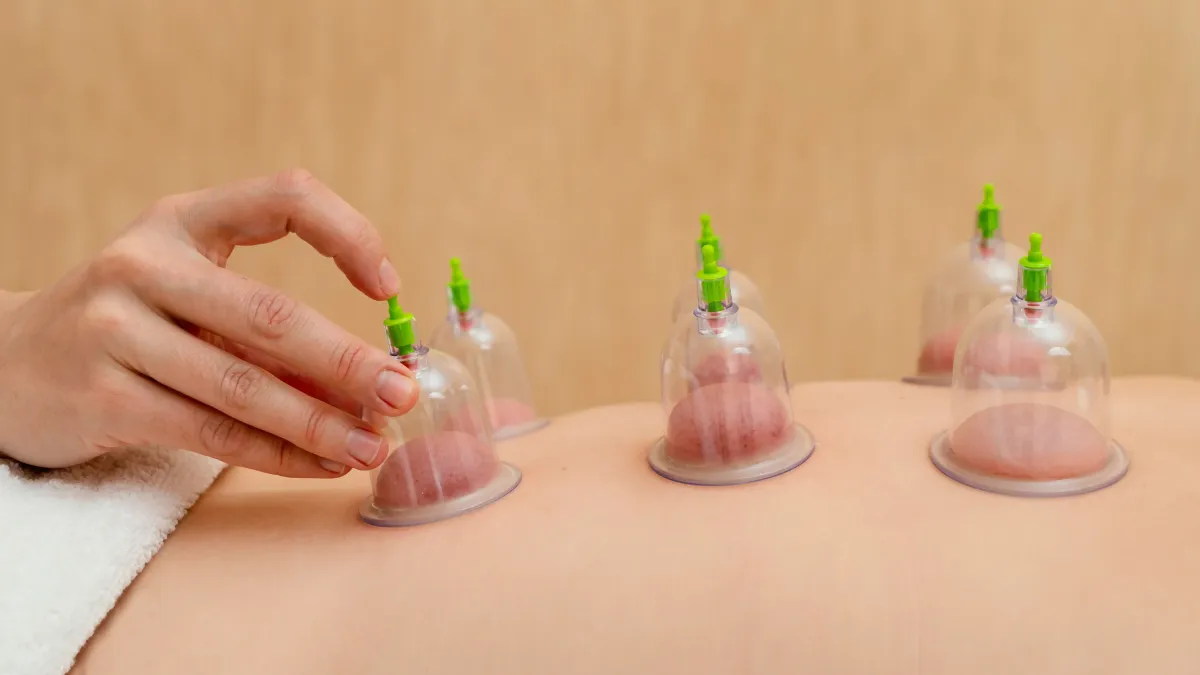
Cupping therapy is a traditional treatment method that uses suction cups placed on the skin. These cups are typically applied to areas like the lower back, hips, or surrounding muscles depending on where the pain originates.
The suction is created either through heat or mechanical pumps. Once placed, the cups gently pull the skin and underlying tissue upward, which increases local blood flow and creates a stretching effect in the soft tissues. There are a few commonly used approaches:
Static cupping, where cups stay in one position for several minutes
Moving cupping, where oil is applied and cups are gently glided across the skin
Wet cupping, which is less commonly used and involves light skin pricking before suction
How Cupping May Influence Pain and Healing
The exact mechanism is still being studied, but several physiological effects are consistently observed in research and clinical practice.
One key effect is increased local circulation. The suction draws blood toward the treated area, which may help reduce muscle tightness and improve tissue oxygenation. This can temporarily change how pain is perceived and how muscles respond to movement.
Another effect involves the nervous system. The sensory input from suction and skin stimulation may help modulate pain signaling, which is one reason some patients report immediate relief after a session.
There is also a mechanical component. The lifting effect can reduce tension in the fascia and superficial muscle layers, which may improve mobility in the short term.
While these effects are promising, cupping is not considered a standalone cure. It is typically used as part of a broader rehabilitation plan that may include exercise therapy, manual therapy, and posture correction.
What Research Says About Cupping for Lower Back Pain
Clinical research on cupping for low back pain has grown over the past decade. A large systematic review that analyzed 11 randomized controlled trials involving 921 participants found that cupping therapy can reduce pain levels in the short term, particularly within a 2 to 8 week period.
In that analysis, pain reduction was statistically significant when compared with usual care and, in some studies, even compared with medication-based approaches. One pooled result showed a meaningful reduction in pain scores (effect size around 1.09 with a 95% confidence interval indicating benefit during early follow-up). However, the same review also noted some important limitations:
Benefits were not consistently sustained at 1 month or beyond in all studies
Results varied depending on cupping style, placement, and treatment duration
Study quality was mixed, with moderate heterogeneity across trials
Interestingly, outcomes tended to be better when cupping was applied to specific therapeutic points rather than broadly over the painful area alone. Some studies also reported improvements in functional disability over 1 to 6 months, suggesting potential longer-term benefits when combined with other care strategies.
What a Typical Cupping Session Looks Like in Clinical Practice
A cupping session for lower back pain usually begins with a brief assessment. The clinician first looks at movement patterns, tenderness areas, and how the pain behaves during basic motions like bending or extension. This helps decide where the cups should be placed and whether cupping is even appropriate for the patient that day.
Once the area is identified, a light oil or lotion is often applied to the skin. This allows better control of the cups and reduces friction if a moving technique is used. Depending on the method, suction is then created using either a handheld pump or heat-based technique.
Most sessions last about 10 to 20 minutes. Cups are typically left in place without movement, although in some cases they may be gently glided across tight muscle groups in the lower back and hips. The number of cups varies, but many treatments use a small set focused around the lumbar spine and surrounding muscles rather than covering large areas.
After removal, it is normal to see circular marks on the skin. These are not burns. They reflect temporary changes in blood flow near the surface and usually fade within a few days to about a week.
Where Cups Are Commonly Placed for Lower Back Pain
Cup placement depends on the underlying source of pain rather than a fixed pattern. The goal is to target muscles and joints that are most likely contributing to tension and restricted movement.
Common treatment areas include the muscles running along both sides of the spine in the lower back, which often become tight in people who sit for long periods or lift repeatedly. The junction between the spine and pelvis is another frequent target, especially when pain is linked to stiffness during standing or walking.
In many cases, therapists also treat the gluteal region and hip muscles. These areas often compensate when the lower back is overloaded, and releasing tension there can indirectly reduce lumbar strain. Some approaches also include points along deeper stabilizing muscles that support posture and spinal alignment.
What Patients Usually Feel After Treatment
Responses to cupping vary, but most people report a noticeable change in muscle tension soon after the session. Some describe a feeling of looseness in the lower back, especially when bending or rotating.
Mild soreness can occur for a short period, similar to what you might feel after deep tissue massage. This typically resolves within 24 to 72 hours. Temporary skin discoloration is also common and usually fades gradually without any intervention.
In clinical settings, some patients experience short-term pain relief immediately after treatment, while others notice gradual improvement over several sessions. The response often depends on whether cupping is being used alone or combined with exercise-based rehabilitation.
A small number of individuals may feel lightheaded or slightly fatigued after treatment. This is uncommon and usually short-lived, but it’s one reason why practitioners monitor patients closely during and after the session.
Safety, Limitations, and When It Should Be Avoided
When performed correctly by a trained professional, cupping is generally considered low risk. Most side effects are mild and temporary, such as skin redness, bruising, or tenderness in the treated area.
More serious complications are rare but can occur if improper technique is used. These include skin irritation from excessive suction, burns from poorly controlled heat methods, or infection if hygiene standards are not maintained.
Cupping is not appropriate for everyone. It may be avoided in people with certain skin conditions, bleeding disorders, or those taking blood-thinning medications without medical clearance. It also requires caution in individuals who feel faint easily or have very low blood pressure.
For lower back pain specifically, cupping should not be seen as a replacement for structured rehabilitation. The best outcomes tend to come when it is integrated with movement therapy, strengthening exercises, and posture correction rather than used in isolation.
If you’re dealing with persistent lower back pain and want to see whether cupping therapy could fit into your treatment plan, professional evaluation can help you decide what actually makes sense for your condition.
Call Manhattan Physical Therapy at (212)-213-3480 to schedule an appointment and discuss a personalized approach to lower back pain relief.
What Do They Say About Us?
Alexander Liu
"Everyone on the team at Manhattan Physical Therapy is super nice and caring. They were able to pretty quickly diagnose my knee and hip problems and immediately put me to work to reduce the pain.."
Henry Myerberg
"You're not just a patient when you come to the Manhattan Physical Therapy. You feel like family there. In particular, Erica with her colleagues John, Lidia and Joe not only fix and improve you physically, they make you feel welcomed and cared for.."
Hakyung Kim
"Everyone is so kind and helpful! my knee and hip pain have improved massively since starting Manhattan PT, highly recommend to anyone. special thanks to Bianca, Lidia, Joe, and John!"
Manhattan Physical Therapy
✆ Phone (appointments):
(212) 213-3480
Address: 385 5th Ave, Suite 503, New York, NY 10016


