

Pelvic Floor Physical Therapy in NYC
Manhattan Physical Therapy
Pelvic Floor Therapy in NYC
Physical Therapy & Acupuncture
located in New York, NY
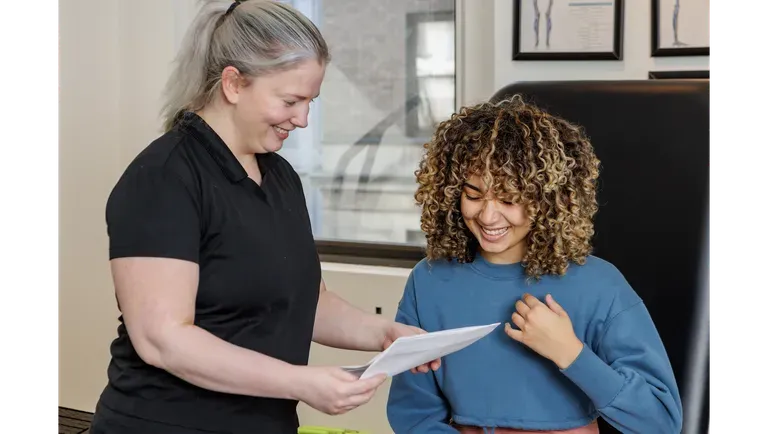
Pelvic Floor services offered in New York, NY
At Manhattan Physical Therapy, we provide pelvic floor therapy in NYC to help women and men manage pain, incontinence, and postpartum recovery. Pregnancy is a testament to an individual’s strength and adaptability, but some of its challenges come in the form of low back pain and pelvic floor dysfunction. Tiffany Zarcone, PT, DPT, at Manhattan Physical Therapy in Midtown Manhattan in New York City, leads one of the city’s only teams that works specifically with pregnant women and new mothers to treat dysfunction and back and joint pain. They create a personalized treatment plan to ensure you get the restorative rest and quality of life you deserve. Contact the office by phone or online to learn more today.
Pelvic Floor services offered in New York, NY
At Manhattan Physical Therapy, we provide pelvic floor therapy in NYC to help women and men manage pain, incontinence, and postpartum recovery. Pregnancy is a testament to an individual’s strength and adaptability, but some of its challenges come in the form of low back pain and pelvic floor dysfunction. Tiffany Zarcone, PT, DPT, at Manhattan Physical Therapy in Midtown Manhattan in New York City, leads one of the city’s only teams that works specifically with pregnant women and new mothers to treat dysfunction and back and joint pain. They create a personalized treatment plan to ensure you get the restorative rest and quality of life you deserve. Contact the office by phone or online to learn more today.
Why Pelvic Floor Health Matters More Than Most People Realize
Pelvic floor problems are more common than many people think, yet they often go untreated for years. Some people live with bladder leaks every day. Others avoid exercise, intimacy, long walks, or even social situations because of pelvic pain, urgency, constipation, or discomfort. Many assume these symptoms are a normal part of aging, childbirth, surgery, or pregnancy. They are not.
Pelvic floor physical therapy is a specialized form of rehabilitation designed to restore normal muscle function in the pelvis. Depending on the condition, treatment may focus on strengthening weak muscles, improving coordination, reducing tension, or helping overly tight muscles relax properly.
What Conditions Can Pelvic Floor Physical Therapy Help Treat?
Pelvic floor dysfunction is not one single condition. It is a broad term that includes several muscle, nerve, and connective tissue problems affecting the pelvis.
Some patients have muscles that are weak and underactive. Others have muscles that are excessively tight, guarded, or painful. In many cases, people experience a combination of both.
Conditions Related to Weak Pelvic Floor Muscles
When pelvic muscles lose strength or coordination, they may struggle to properly support the organs and control bladder or bowel function. This type of dysfunction is often associated with childbirth, surgery, aging, chronic pressure, or prolonged muscle deconditioning. Pelvic floor therapy may help manage symptoms associated with:
Urinary leakage during coughing, sneezing, laughing, or exercise
Overactive bladder and urinary urgency
Frequent urination
Pelvic organ prolapse
Bowel leakage or difficulty controlling gas
Core weakness and instability
Lower back, pelvic, or tailbone discomfort
Postpartum abdominal weakness
Sexual dysfunction related to muscle weakness
Conditions Related to Tight or Overactive Pelvic Floor Muscles
Some pelvic floor muscles remain constantly contracted and struggle to relax. This can create pressure, pain, spasms, and difficulty with normal bodily functions. Pelvic floor physical therapy is commonly recommended for conditions involving muscle overactivity, including:
Pelvic floor muscle tension
Painful intercourse
Vaginismus
Vulvodynia
Constipation related to pelvic floor dysfunction
Pain with bowel movements
Pain during erection or ejaculation
Difficulty achieving orgasm
Chronic pelvic pain
Pelvic muscle trigger points
Levator ani syndrome
Additional Conditions That May Benefit From Pelvic Floor Therapy
Pelvic floor dysfunction often overlaps with other medical conditions. Physical therapy may be included as part of a broader treatment plan for:
Endometriosis
Painful bladder syndrome
Pregnancy-related pelvic pain
Postpartum recovery
Recovery after pelvic surgery
Gender-affirming surgical rehabilitation
Chronic constipation
Tailbone pain
Who Should Consider Pelvic Floor Therapy?
Pelvic floor physical therapy is not limited to women. Men, children, athletes, older adults, and postpartum patients can all benefit from treatment when symptoms point toward pelvic floor dysfunction. A pelvic floor evaluation may be appropriate for people experiencing:
Bladder leakage or urgency
Constipation or difficulty emptying bowels
Pelvic pressure or heaviness
Pain with sitting
Pain during intimacy
Erectile dysfunction related to pelvic muscle dysfunction
Tailbone pain
Chronic hip or lower back pain
Recovery after pregnancy or delivery
Pain after pelvic surgery
Many people can benefit from pelvic floor therapy, including postpartum patients, athletes, and children with bowel or bladder control issues. Pregnancy, heavy lifting, running, and high-impact activities can all place stress on the pelvic floor muscles. However, not all pelvic pain comes from the pelvic floor itself. Problems involving the hips, spine, nerves, or internal organs can cause similar symptoms, which is why a proper evaluation is important.
What Happens During a Pelvic Floor Physical Therapy Evaluation?
Many patients feel nervous before their first pelvic floor therapy appointment because they do not know what to expect. A proper evaluation should always feel respectful, educational, and collaborative.
The first session usually begins with a detailed conversation about symptoms, medical history, lifestyle factors, movement limitations, and treatment goals. Your therapist may ask questions about:
Bladder habits
Bowel function
Pain patterns
Pregnancy and delivery history
Surgical history
Exercise habits
Daily activities
Sexual health symptoms
Posture and movement limitations
External Assessment
The therapist typically begins with an external examination. This may include evaluating:
Breathing mechanics
Posture
Core activation
Hip mobility
Lower back movement
Walking mechanics
Muscle strength and coordination
Internal Pelvic Floor Examination
An internal examination may be recommended if it helps provide important clinical information. The therapist will explain the purpose of the exam beforehand, and patients can decline at any time.
During the internal assessment, the therapist may use gloved fingers to evaluate pelvic floor muscle tone, strength, coordination, tenderness, and tissue mobility through the vagina and/or rectum. This examination can help identify:
Muscle tightness
Trigger points
Weak contractions
Scar tissue restrictions
Coordination deficits
Organ positioning concerns
What Happens During a Pelvic Floor Physical Therapy Evaluation?
Many patients feel nervous before their first pelvic floor therapy appointment because they do not know what to expect. A proper evaluation should always feel respectful, educational, and collaborative.
The first session usually begins with a detailed conversation about symptoms, medical history, lifestyle factors, movement limitations, and treatment goals. Your therapist may ask questions about:
Bladder habits
Bowel function
Pain patterns
Pregnancy and delivery history
Surgical history
Exercise habits
Daily activities
Sexual health symptoms
Posture and movement limitations
External Assessment
The therapist typically begins with an external examination. This may include evaluating:
Breathing mechanics
Posture
Core activation
Hip mobility
Lower back movement
Walking mechanics
Muscle strength and coordination
Internal Pelvic Floor Examination
An internal examination may be recommended if it helps provide important clinical information. The therapist will explain the purpose of the exam beforehand, and patients can decline at any time.
During the internal assessment, the therapist may use gloved fingers to evaluate pelvic floor muscle tone, strength, coordination, tenderness, and tissue mobility through the vagina and/or rectum. This examination can help identify:
Muscle tightness
Trigger points
Weak contractions
Scar tissue restrictions
Coordination deficits
Organ positioning concerns
What Does Pelvic Floor Physical Therapy Treatment Include?
Pelvic floor physical therapy is not a one-size-fits-all treatment. The plan depends on whether the muscles are weak, tight, uncoordinated, painful, or unable to relax properly.
After the evaluation, your therapist creates a program designed around your symptoms, movement patterns, daily activities, and long-term goals. Treatment may include a combination of hands-on therapy, exercise, movement retraining, education, and lifestyle changes.
Most patients attend therapy one or two times per week for several weeks, although the exact timeline varies based on symptom severity and overall progress.
Pelvic Floor Exercises
Exercise is one of the most recognized components of pelvic floor rehabilitation, but strengthening is not always the goal. Some patients actually need relaxation and coordination training before strengthening can begin. A pelvic floor therapist may prescribe exercises such as:
Pelvic floor contractions and relaxation drills
Kegels when appropriate
Diaphragmatic breathing
Core stabilization exercises
Pelvic tilts
Bridge exercises
Heel slides
Squats
Bird dog exercises
Hip mobility drills
Pilates-based movement training
Manual Therapy and Muscle Release Techniques
Hands-on treatment is often used to reduce pain, improve tissue mobility, and restore muscle function. Depending on the condition, treatment may involve:
Soft tissue mobilization
Trigger point therapy
Myofascial release
Scar tissue mobilization
Joint mobilization
Internal muscle release techniques
Stretching of shortened muscles
Biofeedback and Neuromuscular Retraining
Biofeedback is sometimes used to help patients better understand how their pelvic floor muscles function.
Sensors may be placed externally or internally to monitor muscle activity in real time. The information appears on a screen, allowing patients to see whether the muscles are contracting or relaxing properly. Biofeedback can be particularly useful for:
Urinary incontinence
Pelvic muscle coordination problems
Chronic muscle tension
Postpartum weakness
Difficulty identifying pelvic floor contractions
Electrical Stimulation and Other Modalities
Some treatment plans may also include supportive therapeutic modalities such as:
Electrical stimulation
Functional dry needling
Therapeutic ultrasound
Low-level laser therapy
Acoustic compression therapy
Electrical stimulation may help activate weak muscles or calm irritated nerves, while dry needling can sometimes reduce trigger point-related pain and muscle tightness.
Lifestyle and Behavioral Strategies
Pelvic floor symptoms are often affected by daily habits. Treatment may include education on:
Fluid intake
Bladder habits
Bathroom positioning
Breathing mechanics
Pressure management during lifting
Constipation management
Dietary triggers
Posture and body mechanics
How Pelvic Floor Therapy Helps During Pregnancy and Postpartum Recovery
Pregnancy places considerable stress on the pelvic floor, abdominal wall, hips, and lower back. Hormonal changes, increased pressure, and delivery-related trauma can all contribute to dysfunction.
Pelvic floor therapy is commonly recommended both during pregnancy and after childbirth to help reduce complications and support recovery. During pregnancy, therapy may help:
Improve pelvic stability
Reduce pelvic girdle pain
Manage lower back discomfort
Improve breathing and core coordination
Prepare pelvic muscles for labor and delivery
Reduce strain on surrounding tissues
After delivery, pelvic floor therapy may help address:
Urinary leakage
Pelvic heaviness or pressure
Pain with intimacy
Abdominal separation
Scar tissue restrictions
Weakness and instability
Pain while walking or exercising
Can Pelvic Floor Therapy Help Men?
Pelvic floor dysfunction in men is frequently underdiagnosed. Many men live with symptoms for years without realizing that pelvic floor physical therapy may help. Men may benefit from treatment for:
Pelvic pain
Erectile dysfunction
Pain during ejaculation
Urinary urgency or leakage
Constipation
Tailbone pain
Groin tension
Post-prostate surgery recovery
How Long Does It Take to See Results?
Recovery timelines vary depending on the condition, severity, duration of symptoms, and consistency with treatment.
Some patients notice improvement within a few sessions, especially when symptoms are related to muscle tension or movement dysfunction. Others require several months of rehabilitation, particularly after surgery, childbirth, or chronic pelvic pain conditions.
Most treatment plans involve approximately 6 to 12 visits, although some patients may need longer-term care. Progress is usually gradual rather than immediate. Improvements may include:
Reduced urinary leakage
Better bladder control
Less pelvic pressure
Easier bowel movements
Improved intimacy comfort
Reduced lower back or hip pain
Improved exercise tolerance
Better confidence during daily activities
Is Pelvic Floor Physical Therapy Supported by Research?
Pelvic floor physical therapy is widely recognized as a first-line conservative treatment for many pelvic floor disorders.
Research has shown positive outcomes for conditions involving:
Urinary incontinence
Pelvic organ prolapse
Chronic pelvic pain
Postpartum pelvic dysfunction
Dyspareunia
Vaginismus
Constipation related to pelvic floor dysfunction
Hypertonic pelvic floor disorders
When Should You Seek Help for Pelvic Floor Symptoms?
Many people delay treatment because they feel embarrassed or assume their symptoms are normal. Pelvic floor dysfunction is common, but persistent symptoms should not be ignored. You should consider an evaluation if you experience:
Urine leakage
Frequent urgency
Pelvic heaviness
Constipation
Pain during intimacy
Tailbone pain
Persistent pelvic pressure
Lower abdominal pain
Pain after childbirth
Ongoing pelvic discomfort during exercise
If pelvic floor symptoms are interfering with your daily life, the team at Manhattan Physical Therapy can help guide you through a personalized treatment approach focused on long-term recovery and improved function. Call (212)-213-3480 to schedule an evaluation for pelvic floor physical therapy in NYC.Top of FormRrrBottom of Form
References:
1. https://pubmed.ncbi.nlm.nih.gov/31609735/
2. https://www.templehealth.org/about/blog/pelvic-floor-therapy-101-everything-you-need-know
3. https://www.hopkinsmedicine.org/health/treatment-tests-and-therapies/pelvic-floor-therapy
4. https://www.webmd.com/women/what-is-pelvic-floor-physical-therapy
What Do They Say About Us?
Alexander Liu
"Everyone on the team at Manhattan Physical Therapy is super nice and caring. They were able to pretty quickly diagnose my knee and hip problems and immediately put me to work to reduce the pain.."
Henry Myerberg
"You're not just a patient when you come to the Manhattan Physical Therapy. You feel like family there. In particular, Erica with her colleagues John, Lidia and Joe not only fix and improve you physically, they make you feel welcomed and cared for.."
Hakyung Kim
"Everyone is so kind and helpful! my knee and hip pain have improved massively since starting Manhattan PT, highly recommend to anyone. special thanks to Bianca, Lidia, Joe, and John!"
Manhattan Physical Therapy
✆ Phone (appointments):
(212) 213-3480
Address: 385 5th Ave, Suite 503, New York, NY 10016


