

Bulging Disc Treatment in NYC
Manhattan Physical Therapy
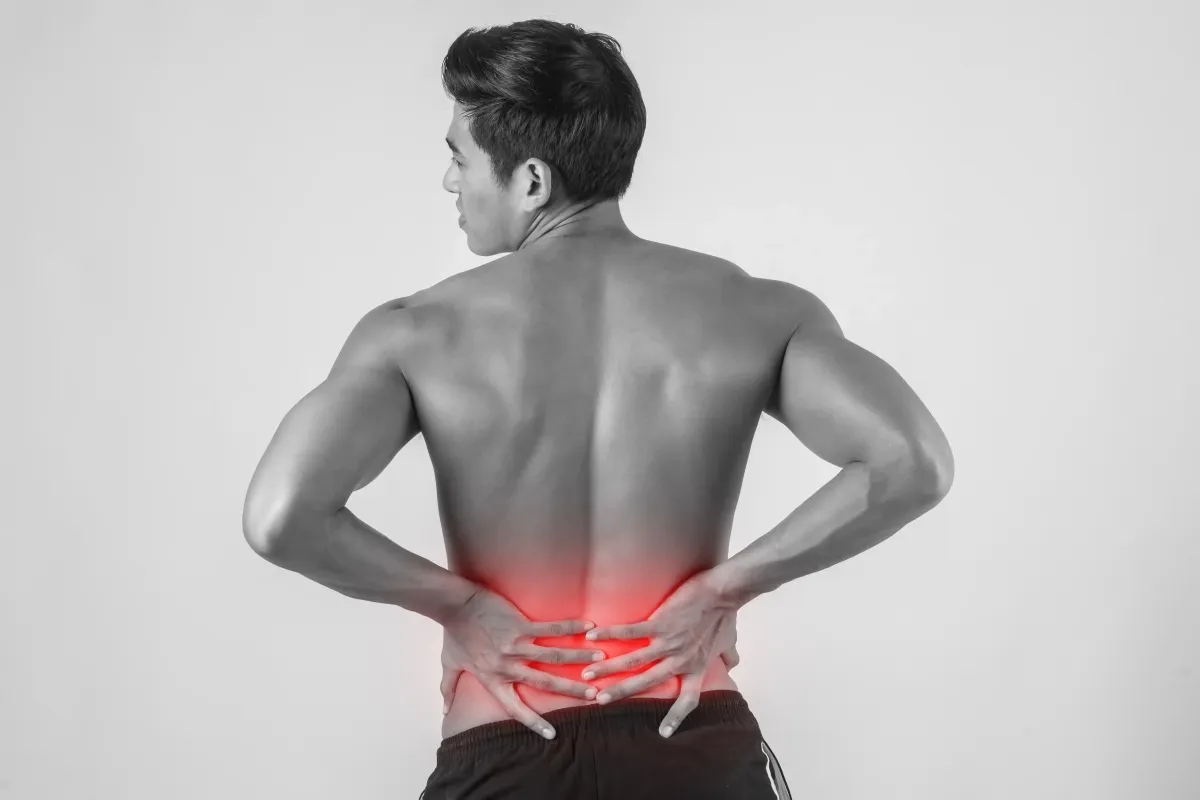
What is a Bulging Disc?
A bulging disc is when one of the soft, cushion-like spinal discs extends beyond its normal boundary without a full rupture of the outer ring.
Intervertebral discs sit between the vertebrae and act as shock absorbers. With wear, injury, or poor loading, the disc can bulge outward and press on nearby structures (ligaments, spinal nerves) — this causes the term “bulging disc.” It’s not always the same as a herniated (or “ruptured”) disc: herniation usually means the inner gel (nucleus pulposus) has pushed through a tear in the outer annulus, while a bulge usually involves a broader outward extension with the annulus intact.
Who Gets Bulging Discs and Who is Most at Risk?
People who do repetitive bending/twisting, heavy lifting, or who have age-related disc degeneration; also those with sedentary jobs, poor posture, or prior spine injury.
Manhattan and NYC residents who commute long hours, work desk jobs, or do heavy manual work (moving, deliveries, construction) commonly report mechanical back problems — those lifestyle factors raise the chance a disc will bulge or become symptomatic. Risk factors supported by clinical literature include older age (disc degeneration), smoking, obesity, and jobs or sports with repeated spinal loading.
Why Does a Bulging Disc Cause Pain (and Why Some Bulges Don’t)?
A bulging disc can cause pain by mechanically pressing on nearby nerve roots or by creating local inflammation that sensitizes pain receptors. If the bulge touches a nerve, you may feel radicular symptoms (pain, tingling, numbness down an arm or leg). If it only bulges slightly without nerve contact, you may have little or no pain.
Pain arises through two main mechanisms — mechanical compression of neural tissue (which can produce radicular patterns like sciatica) and chemical/inflammatory mediators released from the damaged disc irritating nearby nerves. That’s why treatment targets both mechanical load (posture, movement, strength) and inflammation/pain modulation.
How are Bulging Discs Diagnosed (What to Expect)?
Diagnosis is based on a focused history and physical exam; imaging (MRI) is used when symptoms are severe, progressive, or not improving with conservative care.
What typically happens in the clinic:
History & exam: your clinician will map the pain pattern, test strength and reflexes, and do special tests for nerve irritation (straight-leg raise, dermatomal sensory checks).
When imaging is used: plain X-rays rule out fractures or major alignment issues but don’t show soft tissue well; MRI is the gold standard to visualize disc shape and nerve contact and is ordered when radicular signs, severe weakness, or red flags (fever, bladder/bowel changes) are present.
Red flags: sudden severe weakness, loss of bowel/bladder control, or rapidly progressing numbness require urgent evaluation.
Clinical guidelines emphasize starting with conservative care (activity modification, medications as needed, and a course of targeted physical therapy) for most patients before considering injections or surgery unless urgent neurological deficits exist.
What Treatments Work Best for a Bulging Disc?
Most bulging discs improve without surgery through conservative care. The best treatment plan focuses on reducing inflammation, relieving pressure on the nerves, and restoring healthy spinal mechanics.
Evidence-based conservative options include:
Physical therapy
Activity modification
Nonsteroidal anti-inflammatory drugs (NSAIDs)
Heat and ice therapy
According to The Spine Journal and BMJ Clinical Reviews, most people see significant improvement in 6–12 weeks with a structured conservative program before any invasive steps are considered. Surgery is rarely needed unless neurological symptoms progress or conservative methods fail.
How Does Physical Therapy Help a Bulging Disc?
Physical therapy is often the cornerstone of long-term recovery because it addresses both the source of pain and the underlying movement dysfunctions that caused the disc to bulge in the first place.
A skilled therapist evaluates how you move, sit, lift, and stabilize your spine, then designs an individualized program to offload the affected disc and retrain spinal stability.
Typical physical therapy treatments may include:
Manual therapy and spinal mobilization to reduce stiffness and nerve tension.
Core stabilization exercises that strengthen deep abdominal and back muscles, improving posture and spinal support.
McKenzie Method and extension-based exercises that encourage the disc to centralize and relieve pressure on nerve roots.
Neuromuscular re-education to correct faulty movement patterns and prevent future episodes.
Education and ergonomics coaching for better posture at workstations, commuting, or sleeping positions.
Research published in The Journal of Orthopaedic & Sports Physical Therapy shows that patients who complete targeted physical therapy for lumbar or cervical disc bulges experience faster pain reduction, fewer relapses, and better long-term function than those relying on rest or medication alone.
When are Injections or Surgery Necessary?
Spine specialists usually reserve invasive procedures for cases where pain or neurological symptoms persist beyond several months of structured non-surgical care.
Epidural steroid injections can help calm nerve inflammation if symptoms like leg pain, tingling, or weakness continue. These injections don’t fix the bulge itself, but can create a window of relief to allow physical therapy to work more effectively.
Surgery is considered when:
There’s severe or worsening nerve compression (such as significant weakness or foot drop).
Bowel or bladder control is affected.
Non-surgical care fails after an adequate trial (usually 3–6 months).
Minimally invasive options like microdiscectomy or endoscopic discectomy remove the portion of the disc pressing on the nerve with minimal disruption to surrounding tissue. Long-term outcomes are often favorable when performed for the right indications.
Community Insights on Bulging Disc Recovery
“Bulging disks are difficult to treat on your own, and medication. I recommend PT heavily over chiropractics and avoiding playing golf until the disc bulge has been reduced.” – From a golf-forum user
I've had back issues, MRI showing bulging lumbar disk. For me, physical therapy was very helpful, reducing the inflammation, getting the muscles sorted out, and even structurally doing exercises that help keep the disk in place. And following the course of PT, staying on an exercise regimen to strengthen the core and keep flexible, has been important.”
“I got to PT and was given exercises like the cobra pose, side planks, some spinal rotation exercises, and air squats, making sure not to buttwink. The PT said to avoid deadlifting and to not squat weight again until I had no pain in my lower back.” — From a discussion on rehabbing a bulging disc.
“The physical therapist I saw was adamant that for a bulging disc, it’s all about planks on your side. The stronger you make your stomach, the stronger you’ll make your back.” — From a golf-forum user describing their bulging disc rehab.
“Recently, I am working with a great physical therapist who has me focused on increased posture and decompression exercises like hanging from a pull-up bar. Decompression has helped tremendously and my pain is much less now.” — From a user in a forum coping with a lower back bulging disc.
Source: Golfwrx
Call us at (212)-213-3480 to book your appointment today.
FAQs about Bulging Disc Treatment
Is a bulging disc the same as a herniated disc?
No. A bulging disc extends outward without a full tear, while a herniated disc means the inner gel-like center pushes through a tear in the outer ring.
Can physical therapy fix a bulging disc?
Yes. It can’t reverse the bulge, but it relieves pressure, improves alignment, and trains your body to move in ways that prevent future injury.
How long does recovery take?
Most patients feel major relief within 6–12 weeks, depending on the severity and consistency with therapy.
Can I work out with a bulging disc?
Light, controlled activity is safe when guided by a physical therapist. Avoid high-impact or twisting exercises until cleared.
When should I see a doctor?
Seek immediate care if you experience numbness in the groin, weakness in the legs, or loss of bladder/bowel control.
What Do Patients Say About Us?
Michael Garland
Having suffered from back pain for several years even after a lumbar fusion, I’ve spent lots of time and energy trying to rehab my back - the team at Manhattan Physical Therapy has finally got me to a place of comfort and strength. Their care is super personalized, extremely professional and it’s obvious just how much they truly care about their patients. The entire staff is thoughtful, very knowledgeable and incredibly accommodating. I’d recommend anyone to them. 10 out of 10 experience.
Angelica
I came in seeking care for my bulging disc and knee pain that was preventing me from walking without pain. From the moment I spoke with the front desk to my PT care experience, I was well taken cared of. Erica & the rest of the PT team were very knowledgeable and caring. If I were to have another injury in the future (crossing my fingers, I don’t) I would definitely choose Manhattan PT over other facilities. Their compassion, constant encouragement, and knowledgeable physical therapists made a painful injury a little more bearable!
Stephen David
Bianca, Joe, and John were fantastic in treating my lower back pain! They created a tailored plan with targeted stretches, core exercises, and manual therapy that reduced my pain and boosted mobility in just weeks. Their expertise, encouragement, and professional approach made every session effective. The clinic was welcoming and well-equipped. Highly recommend this amazing team!
Manhattan Physical Therapy
✆ Phone (appointments):
(212) 213-3480
Address: 385 5th Ave, Suite 503, New York, NY 10016


