

Knee Pain Physical Therapy in NYC
Manhattan Physical Therapy
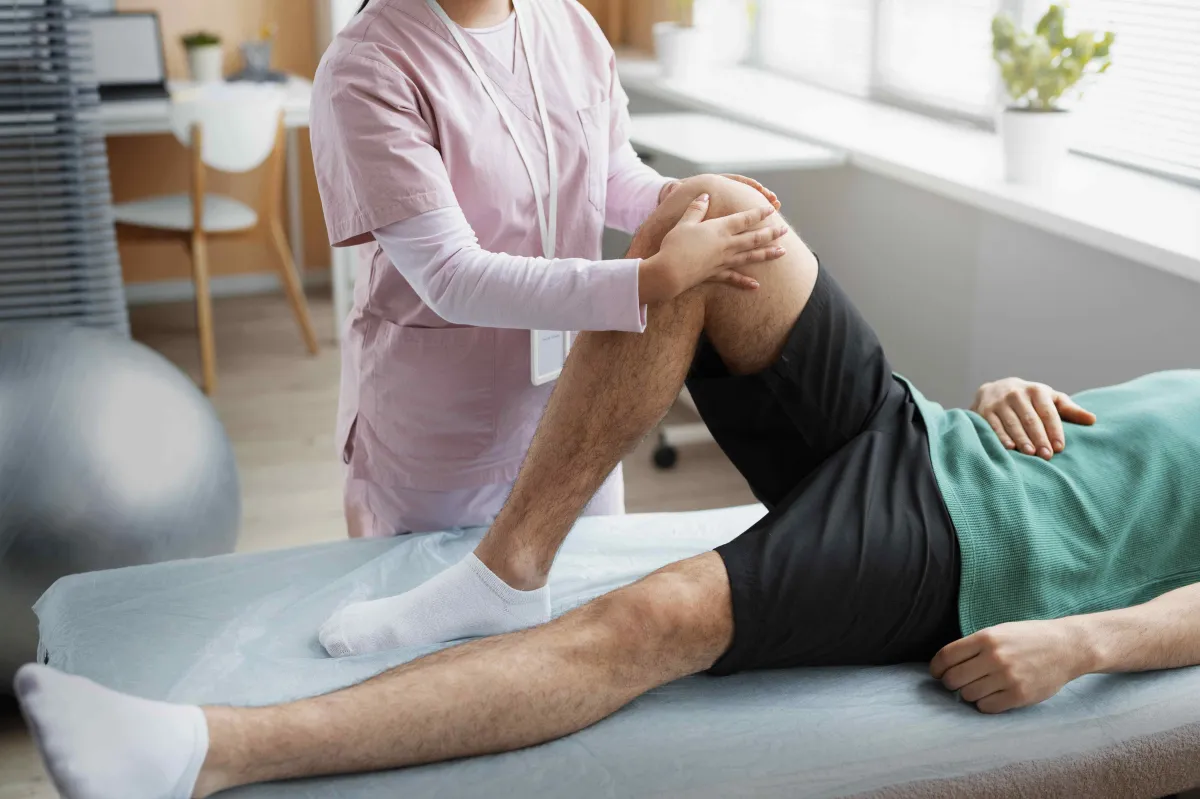
Physical therapy helps knee pain by strengthening the muscles that support the knee, restoring movement and changing the activities that keep irritating it. It's often the first treatment for arthritis, meniscus and ligament injuries, and runner's knee. We see patients one-on-one at 385 5th Ave, a short walk from Grand Central and Bryant Park.
What Are the Most Common Knee Injuries?
Knee injuries are surprisingly common and can affect people of all ages, from athletes to those experiencing everyday wear and tear. Here’s a closer look at the most frequent types:
Knee Ligament Injuries (ACL, MCL, LCL)
Ligament injuries are among the most frequent knee problems. The knee ligaments—ACL (Anterior Cruciate Ligament), MCL (Medial Collateral Ligament), and LCL (Lateral Collateral Ligament)—are strong bands of fibrous tissue that connect the bones around your knee and provide stability. When a ligament is torn or stretched, it can lead to pain, swelling, and a feeling of instability, making it difficult to move the knee normally. These injuries often occur during sports or sudden twists and impacts.
Meniscus Tears
The meniscus is a C-shaped piece of cartilage in the knee that cushions the femur and tibia while acting as a shock absorber. Each knee has a medial and lateral meniscus. Tears can happen suddenly during sports or develop gradually from repetitive movements or age-related wear. A meniscus tear can cause pain, swelling, stiffness, and sometimes locking or catching sensations in the knee.
Kneecap (Patella) Problems
Pain or injury around the kneecap is very common. Causes can range from trauma, muscle imbalances, poor alignment, or shallow grooves in the femur. Patellofemoral Pain Syndrome, often called “runner’s knee,” is characterized by pain behind the kneecap caused by excessive pressure from misalignment. Other issues include patellar dislocation or subluxation, usually triggered by accidents or sudden impacts.
Knee Arthritis
Arthritis is a major cause of chronic knee pain. Osteoarthritis, the most common form, is a degenerative condition where the cartilage wears down over time, causing pain, stiffness, and reduced mobility. Rheumatoid arthritis, an inflammatory condition, can also affect the knee, leading to swelling, discomfort, and joint damage. Factors such as age, genetics, weight, and previous injuries all contribute to the development of knee arthritis.
What causes knee pain without an injury?
Most knee pain that shows up without a clear injury comes from load: more stairs, running or squatting than the knee is used to, weak hip and thigh muscles, or early arthritis. The kneecap joint is a common source. It's the reason stairs, squats and long sitting often hurt.
Why your knee hurts on stairs
Going up and down stairs puts much more force through the front of the knee than walking on flat ground. If the thigh and hip muscles aren't strong enough to control that load, the kneecap joint gets irritated. Strengthening those muscles is usually the fix.
How Is Knee Pain Diagnosed?
When you visit a physical therapist for knee pain, the first step is a thorough evaluation. This starts with a detailed discussion of your symptoms and medical history, followed by a hands-on examination of your knee. Imaging tests like X-rays or an MRI may also be used to get a clearer picture of what’s happening inside the joint.
To better understand your condition, a physical therapist may ask questions such as:
Where exactly do you feel the pain in your knee?
Did you twist or injure your knee recently?
Did you hear or feel a “pop” or tearing at the time of injury?
Is there swelling around the knee?
Does your knee ever feel like it’s locking, catching, or giving way?
Do you struggle with stairs or prolonged sitting with your knee bent?
Does pain worsen when you bend, straighten, or twist your knee?
The physical therapist will also perform tests to evaluate:
Pain or discomfort when bending or straightening the knee
Tenderness in the joint
Limited range of motion
Weakness in surrounding muscles
Difficulty bearing weight while standing or walking
How to Get Started with Physical Therapy
Getting started with physical therapy is simpler than you might think. The first step is scheduling an evaluation, where your therapist reviews your medical history, assesses your knee, and discusses your goals. This initial visit lays the foundation for a treatment plan that fits your lifestyle.
Once the plan is in place, commitment is key. Attending sessions regularly, performing exercises at home, and following your therapist’s guidance ensures the best results. With consistent effort, patients often notice reduced pain, improved mobility, and the confidence to resume everyday activities.
What Exercises Are Typically Prescribed?
Physical therapy for knee pain emphasizes building strength, flexibility, and stability. Common exercises include:
Quadriceps Strengthening
Hamstring Work
Calf and Hip Strengthening
Range-of-Motion Exercises
Balance and Stability Drills
When to Seek Help
Knee pain should not be ignored. If you experience persistent pain, swelling, instability, or difficulty moving, it’s time to consult a professional. Early intervention often prevents worsening symptoms and speeds up recovery.
Even minor discomfort that affects daily activities can benefit from evaluation and treatment. A therapist can assess the root cause, guide proper exercises, and provide strategies to protect your knee long-term. If your knee pain includes symptoms like radiating leg pain or originates in your lumbar region, then our physical therapy for back pain service may be the appropriate starting point.
Get seen promptly if your knee locks or gives way, swells quickly after an injury, you can’t put weight on it, or it’s hot and red.
Knee pain doesn’t have to hold you back. Through a personalized physical therapy program, patients in New York City can reduce discomfort, regain mobility, and return to the activities they love. Under the guidance of experts like Tiffany Zarcone, PT, DPT, a structured plan of assessment, targeted exercises, and education provides real, lasting results.
If knee pain is affecting your life, don’t wait. Schedule a consultation with Manhattan Physical Therapy and take the first step toward a stronger, healthier knee. Call (212)-213-3480 today to book your appointment.
Frequently Asked Questions
How long does it take to see results from physical therapy for knee pain?
Many people notice changes within a few weeks of consistent exercise. Bigger strength gains take longer. We'll give you a realistic estimate after your evaluation.
Is physical therapy effective for arthritis-related knee pain?
Yes. Exercise and strengthening are among the main recommended treatments for knee osteoarthritis and can reduce pain and improve function, even though they don't reverse the arthritis.
Do I need a doctor's referral to start PT in NYC?
Usually not. Under New York's direct-access rules, most patients can start physical therapy without a doctor's referral. Limits may apply depending on your insurance plan, so call 212-213-3480 and we'll help you check your coverage.
Can physical therapy prevent knee surgery?
For many knee problems, including arthritis and many meniscus tears, physical therapy is tried first and works well enough that surgery isn't needed. It won't fix every injury, and we'll refer you if needed.
What causes knee pain without an injury?
Usually overload: a jump in running, stairs or squatting, weak hip and thigh muscles, or early arthritis. The joint behind the kneecap is a common source.
How does physical therapy help knee pain?
We find what's overloading the knee, then build strength in the thigh and hip, restore movement, and adjust activity so the knee can settle and get stronger.
What exercises strengthen a painful knee?
Straight leg raises, mini squats, step-ups, bridges and side-lying leg lifts are common. We start where you're comfortable and progress as your knee tolerates more.
Why does my knee hurt going up stairs?
Stairs put extra force through the front of the knee. If the thigh and hip muscles can't control it well, the kneecap joint gets irritated. Strengthening usually helps.
Should I ice or heat knee pain?
Ice tends to feel better for a new injury or a swollen knee. Heat is often more comfortable for stiff, achy knees, like with arthritis. Use whichever helps you move more comfortably.
When is knee pain serious?
Get seen promptly if the knee locks or gives way, swells quickly after an injury, you can't bear weight, or it's hot, red, or you have a fever.
How many PT sessions does knee pain need?
It varies with the problem and how long you've had it. We'll suggest a number after your first visit and review it as you improve.
Where are you and when are you open?
385 5th Ave, Suite 503, at 36th Street, near Grand Central and Bryant Park. Monday to Friday, 8 am to 7 pm, one-on-one sessions. Call 212-213-3480.
What others are saying
Alexander Liu
"Everyone on the team at Manhattan Physical Therapy is super nice and caring. They were able to pretty quickly diagnose my knee and hip problems and immediately put me to work to reduce the pain.."
Henry Myerberg
"You're not just a patient when you come to the Manhattan Physical Therapy. You feel like family there. In particular, Erica with her colleagues John, Lidia and Joe not only fix and improve you physically, they make you feel welcomed and cared for.."
Hakyung Kim
"Everyone is so kind and helpful! my knee and hip pain have improved massively since starting Manhattan PT, highly recommend to anyone. special thanks to Bianca, Lidia, Joe, and John!"
Manhattan Physical Therapy
✆ Phone (appointments):
(212) 213-3480
Address: 385 5th Ave, Suite 503, New York, NY 10016


