

Cupping Therapy for Sports Injury Recovery in NYC
Manhattan Physical Therapy
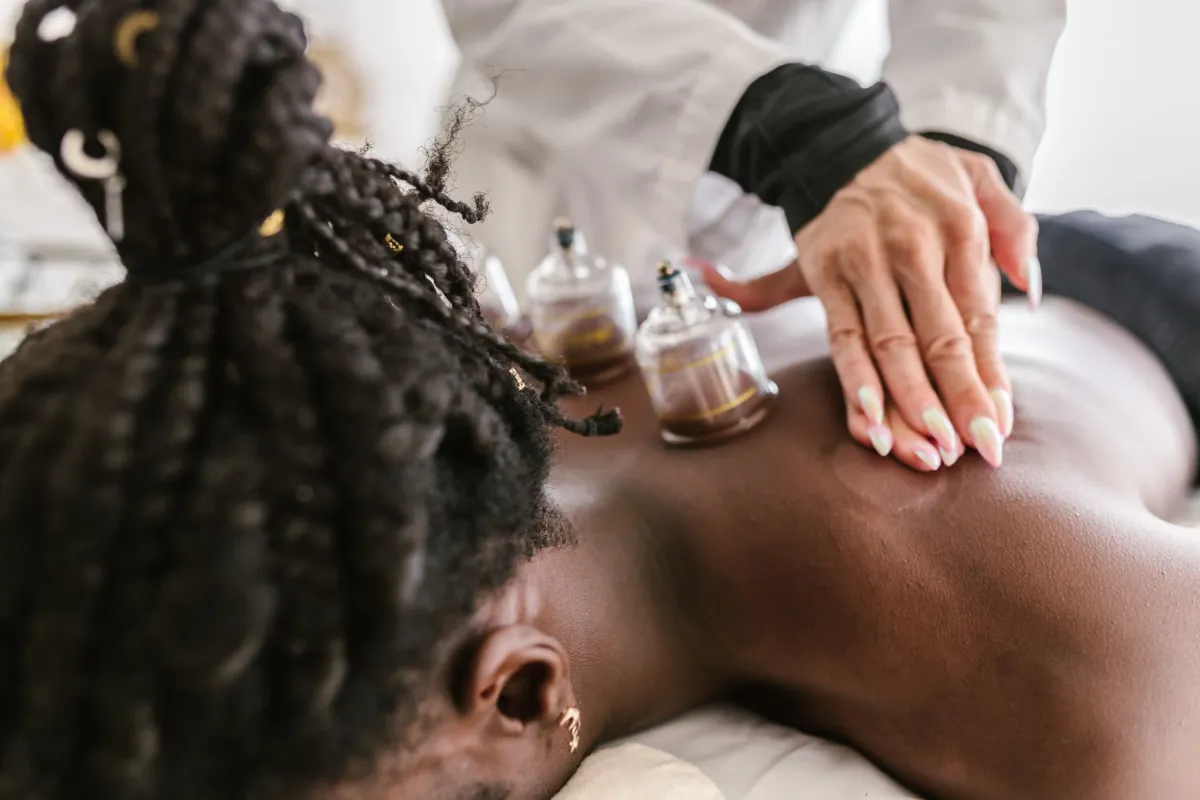
Whether you're training for the New York City Marathon, playing in a weekend basketball league, or simply trying to stay active, sports injuries can interrupt your routine and keep you sidelined. Muscle strains, tight fascia, overuse injuries, and joint stiffness are common among athletes of every level. While rest is important, the right rehabilitation strategy can often help you recover faster and reduce the risk of future injuries.
One treatment that has gained attention among physical therapists and professional athletes is cupping therapy. You may have seen the circular marks on Olympic swimmers or professional baseball players, but cupping is much more than a recovery trend. When used by a licensed physical therapist as part of a comprehensive rehabilitation program, it can help improve circulation, reduce muscle tension, and support your body's natural healing process.
What Is Cupping Therapy?
Cupping therapy is a soft tissue treatment that uses specialized silicone or glass cups to create gentle suction on the skin. Unlike massage, which applies downward pressure, cupping lifts the tissues upward. This negative pressure helps decompress muscles and fascia while increasing blood flow to the treated area.
Modern physical therapy primarily uses dry cupping, where suction is applied without breaking the skin. Depending on your condition, your therapist may use one of two techniques:
Static cupping: Cups remain in one place for several minutes to target a specific area of pain or tightness.
Gliding cupping: The cups are moved across lubricated skin to treat larger muscle groups and improve tissue mobility.
Most treatment sessions last 15 to 30 minutes, depending on the injury and the overall rehabilitation plan. The circular marks that sometimes appear after treatment are not bruises caused by tissue damage. They result from increased blood flow near the skin's surface and usually fade within 3 to 7 days.
How Cupping Therapy Helps Sports Injury Recovery
Cupping therapy is designed to improve the environment in which injured tissues heal. While it cannot repair a torn muscle or ligament on its own, it may help reduce symptoms that often delay recovery, making it easier to participate in rehabilitation exercises.
Improves Blood Circulation
The suction created by the cups increases circulation in the targeted tissues. Better blood flow delivers oxygen and nutrients that muscles, tendons, and connective tissues need during healing while helping remove metabolic waste products that accumulate after intense exercise.
Improved circulation may help:
Support tissue repair
Reduce localized inflammation
Improve nutrient delivery to injured muscles
Enhance recovery after strenuous training sessions
Relieves Muscle Tightness
Sports injuries often create protective muscle guarding, where surrounding muscles tighten to protect the injured area. Unfortunately, this stiffness can limit movement and prolong recovery. By gently lifting the fascia and underlying soft tissues, cupping may help:
Decrease muscle tension
Improve tissue mobility
Restore flexibility
Make stretching and strengthening exercises more comfortable
This can be especially helpful for athletes dealing with chronic muscle tightness or restricted movement after repetitive training.
Helps Reduce Pain
Many patients report noticeable pain relief following cupping therapy. Although researchers are still studying the exact mechanisms, several factors are believed to contribute, including improved circulation, reduced muscle tension, and stimulation of the nervous system.
Lower pain levels can make it easier to perform physical therapy exercises, maintain proper movement patterns, and gradually return to sports without compensating for discomfort.
Supports Lymphatic Drainage
Healthy recovery involves more than blood circulation. Your lymphatic system also helps remove excess fluid and cellular waste after injury.
By encouraging fluid movement, cupping may help:
Reduce mild swelling
Improve tissue recovery
Support the body's natural healing response
This can be particularly beneficial after demanding competitions or high-volume training periods.
What Does the Research Say About Cupping Therapy?
Scientific research on cupping therapy continues to grow. While more high-quality studies are still needed, current evidence suggests it can be a useful addition to a structured rehabilitation program for certain athletes.
One controlled study evaluating muscle fatigue found that cupping therapy did not significantly reduce fatigue immediately after exercise. However, researchers observed meaningful improvements 24 hours later, indicating that cupping may support recovery rather than provide instant performance benefits. In that study:
Recovery of muscle activity was significantly better after 24 hours compared with a sham treatment.
Researchers concluded that cupping may help reduce delayed muscle fatigue and improve post-exercise recovery.
Other systematic reviews have reported that cupping therapy may help reduce musculoskeletal pain and improve short-term function for certain conditions. However, researchers also emphasize that treatment outcomes vary depending on the injury, the individual, and how cupping is combined with other rehabilitation methods.
For athletes, this means cupping should be viewed as one tool within a comprehensive treatment plan, not a quick fix. A skilled physical therapist will determine whether cupping is appropriate based on factors such as:
Your diagnosis
The stage of healing
Pain severity
Sport-specific demands
Overall rehabilitation goals
Common Sports Injuries That May Benefit from Cupping Therapy
Cupping therapy is often used to address muscle tightness, restricted movement, and pain associated with sports injuries. While it does not replace medical treatment for severe injuries, it can complement a physical therapy program by improving soft tissue mobility and making rehabilitation exercises more comfortable. Some of the most common conditions that may benefit include:
Muscle Strains
Hamstring, quadriceps, calf, and groin strains are among the most frequent sports injuries. These injuries often cause muscle guarding and stiffness that can limit movement long after the initial pain improves. Cupping may help:
Reduce muscle tightness
Improve flexibility
Increase comfort during strengthening exercises
Support tissue healing alongside rehabilitation
Ligament Sprains
Whether it's an ankle sprain from basketball or a wrist sprain after a fall, swelling and stiffness can persist even after the ligament begins healing.
When appropriate, cupping can be used around the injured area to improve soft tissue mobility and prepare the joint for movement exercises prescribed by your physical therapist.
Shoulder Injuries
Athletes who participate in baseball, swimming, tennis, volleyball, or CrossFit frequently experience shoulder pain caused by repetitive overhead movements. Cupping may help reduce muscle tightness involving the:
Rotator cuff
Upper trapezius
Deltoids
Pectoral muscles
Lower Back Pain
Lower back pain affects athletes in nearly every sport, especially runners, golfers, weightlifters, and rowers.
Cupping therapy can help reduce tension in the lumbar muscles and surrounding fascia, making it easier to restore normal movement patterns through physical therapy.
IT Band Syndrome
Long-distance runners and cyclists often develop tightness along the outside of the thigh due to iliotibial (IT) band irritation.
Although the IT band itself cannot be stretched significantly, cupping may improve mobility in the surrounding muscles and fascia, reducing tension that contributes to pain.
Tennis Elbow and Golfer's Elbow
Repetitive gripping sports such as tennis, pickleball, golf, and climbing can overload the forearm muscles.
Cupping can be incorporated into treatment to reduce muscle tightness while strengthening exercises address the underlying tendon irritation.
What to Expect During Your Cupping Therapy Session
If you've never tried cupping therapy before, you may be wondering what the experience is like. Fortunately, most patients find it relaxing and surprisingly comfortable.
Your visit begins with a thorough evaluation. Rather than simply treating the painful area, your physical therapist identifies why the injury occurred. This may involve assessing your:
Movement patterns
Joint mobility
Muscle strength
Flexibility
Training habits
Sport-specific demands
If cupping therapy is appropriate, the treatment typically follows these steps:
Step 1: Skin Preparation
The treatment area is cleaned, and a small amount of lotion or massage cream may be applied if gliding cupping will be performed.
Step 2: Cup Placement
Specialized silicone or plastic cups are positioned over targeted muscles or soft tissues. The cups create gentle suction, producing a lifting sensation rather than painful pressure.
Step 3: Treatment
Depending on your condition, your therapist may:
Leave the cups stationary for several minutes
Glide the cups over tight muscles
Combine cupping with stretching or movement exercises
Step 4: Rehabilitation Exercises
Because muscles often feel less restricted immediately after treatment, many therapists perform stretching, mobility drills, or strengthening exercises while tissue mobility is improved.
This combination often provides greater long-term benefits than cupping alone.
Is Cupping Therapy Safe?
For most healthy individuals, dry cupping therapy is considered safe when performed by a licensed healthcare professional.
Temporary side effects may include:
Circular skin discoloration
Mild soreness
Tenderness for one or two days
Temporary skin sensitivity
These marks are a normal response to increased circulation and typically disappear within 3 to 7 days.
However, cupping may not be appropriate for everyone. Your physical therapist may avoid or modify treatment if you have:
Open wounds
Skin infections
Active blood clotting disorders
Certain bleeding conditions
Severe varicose veins
Uncontrolled medical conditions affecting the skin
Why Cupping Works Best with Physical Therapy
One of the biggest misconceptions is that cupping therapy alone can "fix" a sports injury.
In reality, lasting recovery usually requires addressing the factors that caused the injury in the first place. At Manhattan Physical Therapy, cupping is integrated into a broader rehabilitation program that may include:
Manual therapy
Therapeutic exercise
Joint mobilization
Strength training
Neuromuscular re-education
Running or sports-specific movement analysis
Injury prevention strategies
For example, if a runner has recurrent hamstring strains, reducing muscle tightness with cupping may improve comfort. However, long-term success depends on correcting strength deficits, improving hip stability, restoring flexibility, and addressing running mechanics.
If you're looking for cupping therapy for sports injury recovery in NYC, our experienced physical therapists will evaluate your condition, develop a personalized treatment plan, and determine whether cupping therapy is the right addition to your recovery program.
Ready to get back in the game? Contact Manhattan Physical Therapy today at (212) 213-3480 to schedule your evaluation and start your recovery.
Frequently Asked Questions
Does cupping therapy hurt?
Most people describe the sensation as gentle pulling or tightness rather than pain. The suction may feel unusual during your first session, but it is generally well tolerated.
How many sessions will I need?
The number of treatments depends on your injury, symptoms, and rehabilitation goals. Some athletes notice improvement after one session, while others benefit from several treatments combined with physical therapy.
Can cupping help with muscle soreness after workouts?
Many athletes use cupping as part of their post-training recovery routine. While research is still evolving, some studies suggest it may help reduce delayed muscle fatigue and improve recovery within 24 hours after exercise.
Can I exercise after cupping?
In many cases, yes. Your physical therapist will recommend whether you should perform light activity, continue rehabilitation exercises, or temporarily avoid intense training depending on your condition.
Manhattan Physical Therapy
✆ Phone (appointments):
(212) 213-3480
Address: 385 5th Ave, Suite 503, New York, NY 10016


