

Cupping Therapy for Muscle Pain in NYC
Manhattan Physical Therapy
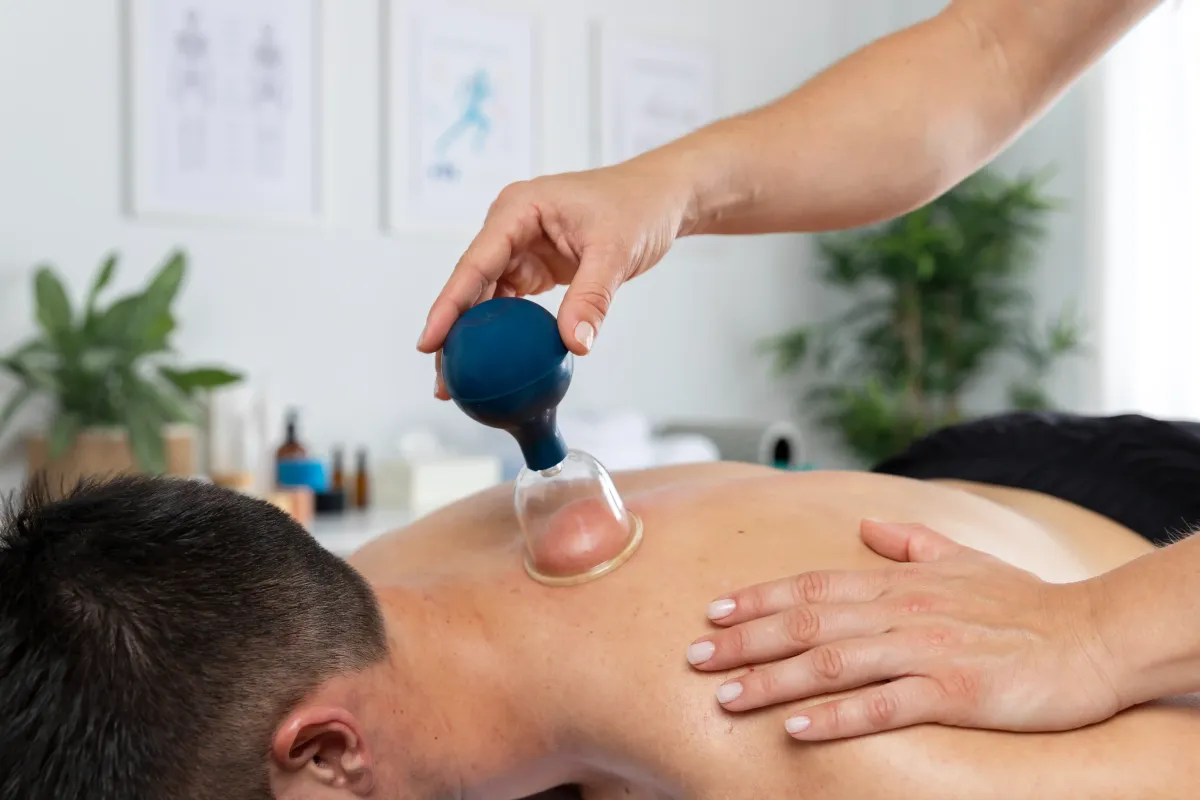
Neck painMuscle pain can make everyday activities harder than they should be. Whether you're dealing with persistent neck tension from long hours at a desk, soreness after working out, or chronic back pain that limits your movement, finding the right treatment matters. Many New Yorkers are looking for non-invasive options that help reduce pain while improving mobility, and cupping therapy has become one of the treatments gaining attention.
Used for thousands of years in traditional medicine, cupping therapy is now commonly incorporated into modern rehabilitation and sports recovery programs. Rather than replacing evidence-based care, it is often used alongside physical therapy, therapeutic exercise, and manual therapy to help reduce muscle tightness, improve circulation, and support the body's natural healing process. Research on cupping continues to grow, with recent reviews suggesting it may help reduce chronic musculoskeletal pain, although higher-quality studies are still needed to determine which patients benefit most.
What Is Cupping Therapy?
Cupping therapy is a manual treatment that uses specially designed cups to create gentle suction on the skin. Unlike massage, which applies downward pressure, cupping lifts the skin and underlying soft tissue. This negative pressure increases blood circulation to the treated area while helping reduce muscle tightness and fascial restrictions.
The cups may be made from silicone, glass, or plastic, depending on the technique being used. They are commonly placed on areas where muscle tension develops, including the:
Neck
Shoulders
Upper and lower back
Hips
Calves
Hamstrings
Forearms
The practice dates back thousands of years, with records showing its use in Ancient Egypt, China, and Greece. While its historical roots are extensive, modern clinicians primarily use cupping therapy as a complementary treatment for musculoskeletal conditions rather than as a standalone solution.
How Does Cupping Therapy Work for Muscle Pain?
Cupping therapy works by creating controlled suction between the cup and the skin. This lifting action affects the muscles, fascia, connective tissue, and local blood vessels beneath the surface. Several physiological responses may contribute to pain relief and improved movement.
Increases Blood Flow
The suction draws more blood into the treated area, increasing the delivery of oxygen and nutrients that muscles need to recover. Improved circulation may also help remove metabolic waste products that accumulate after physical activity or prolonged muscle tension.
Relaxes Tight Muscles
Instead of compressing tissue like traditional massage, cupping gently decompresses muscles and fascia. This stretching effect may reduce stiffness and improve flexibility, making movement more comfortable.
Helps Reduce Trigger Points
Painful muscle knots, also called trigger points, often develop after repetitive movements, poor posture, or overuse. By improving circulation and reducing tissue restriction, cupping may help decrease tenderness in these areas.
Supports Lymphatic Drainage
The suction may also stimulate the lymphatic system, helping the body remove excess fluid and inflammatory waste products from the treated tissues. This process can contribute to reduced soreness after exercise or injury.
May Influence Pain Signals
One proposed explanation is the "gate control theory" of pain. According to this theory, the pressure and sensory stimulation created during cupping activate larger nerve fibers that may temporarily reduce the transmission of pain signals to the brain. While this mechanism requires additional research, it offers one possible explanation for why many patients experience short-term pain relief following treatment.
Although researchers continue studying the exact mechanisms behind cupping therapy, it is generally viewed as a complementary treatment that works best when combined with rehabilitation exercises and other evidence-based physical therapy interventions rather than replacing them.
Benefits of Cupping Therapy for Muscle Pain
When performed by a trained healthcare professional, cupping therapy may provide several benefits for people experiencing muscular pain and stiffness.
Reduces Muscle Tension
One of the primary reasons patients choose cupping is to relieve tight muscles. The suction gently stretches the surrounding tissue, helping decrease stiffness that often develops from prolonged sitting, repetitive work, or athletic training.
Improves Mobility and Flexibility
Restricted muscles can limit joint movement. By reducing tissue tightness, cupping may help improve range of motion, making everyday activities and exercise more comfortable. Many patients report feeling less restricted immediately after treatment.
Supports Recovery After Exercise
Athletes and active individuals frequently use cupping therapy as part of their recovery routine. Increased circulation may help reduce post-workout soreness while preparing muscles for future training sessions.
A controlled clinical study found that treatment duration and suction pressure influenced muscle stiffness reduction, with a 10-minute protocol at higher negative pressure producing greater improvements in deeper muscle tissue than shorter treatment durations. While larger studies are still needed, these findings provide useful guidance for clinical practice.
May Help Manage Chronic Muscle Pain
A 2023 review of existing studies reported that cupping therapy appeared beneficial for several chronic pain conditions, including:
Chronic low back pain
Neck pain
Knee osteoarthritis
Chronic back pain
However, researchers also noted that much of the available evidence remains low quality, reinforcing that cupping should complement, not replace, conventional medical care and physical therapy.
Encourages Relaxation
Many people notice an overall feeling of relaxation during and after treatment. Reduced muscle tension combined with improved circulation may help decrease physical stress that accumulates during busy workdays.
Works Well Alongside Physical Therapy
Cupping is often most effective when integrated into a comprehensive rehabilitation program that may also include:
Therapeutic exercise
Stretching
Manual therapy
Soft tissue mobilization
Massage therapy
Foam rolling
Hydration and recovery strategies
Types of Cupping Therapy
Cupping therapy is not a one-size-fits-all treatment. Depending on your symptoms, goals, and medical history, a physical therapist may recommend a specific technique or combine different approaches to target muscle pain more effectively.
Dry Cupping
Dry cupping is the most common technique used in physical therapy settings. Cups are placed on the skin to create suction without making any incisions. The gentle negative pressure helps increase circulation, reduce muscle tightness, and improve tissue mobility. This method is commonly used for neck pain, shoulder tension, low back pain, and sports-related muscle soreness.
Moving Cupping
Also known as massage cupping or sliding cupping, this technique involves applying massage oil before moving the cups across the skin. The combination of suction and movement provides many of the benefits of soft tissue massage while helping release fascial restrictions over larger muscle groups.
Moving cupping is often used on the back, thighs, hamstrings, and calves to relieve widespread muscle tightness.
Wet Cupping
Wet cupping involves making small, controlled skin punctures before applying suction. Because it carries additional medical considerations, it is less commonly performed in outpatient physical therapy clinics and requires strict safety protocols. For most patients seeking relief from muscle pain, dry or moving cupping provides an effective, non-invasive treatment option.
Who Can Benefit from Cupping Therapy?
Cupping therapy may be appropriate for many individuals experiencing muscle pain or restricted movement. It is commonly recommended as part of a broader rehabilitation plan rather than a standalone treatment. You may benefit from cupping therapy if you have:
Chronic neck, shoulder, or back muscle tension
Muscle soreness after exercise or sports
Tight muscles caused by repetitive work activities
Reduced flexibility or range of motion
Muscle knots and trigger points
General muscle stiffness from prolonged sitting
Sports-related overuse injuries
In a fast-paced city like New York, many office professionals spend long hours sitting at a desk, while others perform physically demanding jobs that place repeated stress on the muscles. Both situations can contribute to persistent muscle tightness that may respond well to cupping therapy when combined with corrective exercises and manual therapy.
What to Expect During a Cupping Therapy Session
If you've never had cupping therapy before, knowing what to expect can help you feel more comfortable.
Initial Evaluation
Your appointment begins with a discussion about your symptoms, medical history, activity level, and treatment goals. Your therapist will identify the muscles contributing to your pain and determine whether cupping therapy is appropriate for your condition.
Treatment
The cups are placed over specific muscles or areas of tension. Depending on your condition, they may remain stationary or be gently moved across the skin.
Most treatments last between 15 and 30 minutes, with the cups typically remaining in one location for 5 to 15 minutes. Treatment frequency varies based on your symptoms, but many patients benefit from one to two sessions per week during the early stages of care. Noticeable improvements are often achieved over four to eight weeks when combined with an appropriate rehabilitation program.
After Treatment
It's normal to notice circular red or purple marks where the cups were applied. These marks are not bruises caused by tissue damage. Instead, they result from temporary changes in blood flow and typically fade within several days to one week.
Many patients report:
Reduced muscle tightness
Improved mobility
Less soreness
A feeling of relaxation
To maximize your results, your therapist may recommend:
Drinking plenty of water
Performing gentle stretching
Following your prescribed exercise program
Avoiding intense activity immediately after treatment if appropriate
Is Cupping Therapy Safe?
When performed by a trained healthcare professional, cupping therapy is generally considered safe for most healthy adults.
Like many manual therapies, it may cause temporary side effects, including:
Circular skin marks
Mild soreness
Temporary skin sensitivity
Slight tenderness in the treated area
These effects usually resolve within a few days.
However, cupping therapy may not be appropriate for everyone. Be sure to inform your therapist if you:
Have an active skin infection
Have open wounds or burns
Take blood-thinning medications
Have a bleeding disorder
Have certain circulatory conditions
Are pregnant
A qualified provider will review your medical history before beginning treatment to ensure cupping is both safe and appropriate for your needs. Staying hydrated before and after treatment is also recommended to support recovery.
Don't let muscle pain keep you from enjoying your daily life. Our experienced physical therapists provide personalized cupping therapy as part of a comprehensive treatment plan to help reduce pain, improve mobility, and support long-term recovery.
Call us today at (212) 213-3480 or request an appointment online to see if cupping therapy is right for you.
Frequently Asked Questions
Does cupping therapy hurt?
Most patients describe the sensation as a gentle pulling or stretching rather than pain. The suction may feel unusual at first, but many people find the treatment relaxing.
How long do cupping marks last
The circular marks usually fade within a few days to one week. The color and duration vary depending on the individual and the area treated.
Can cupping therapy replace physical therapy?
No. Current evidence suggests that cupping therapy works best as a complementary treatment. Combining it with physical therapy, exercise, stretching, and other evidence-based interventions provides the greatest opportunity for lasting improvement.
Manhattan Physical Therapy
✆ Phone (appointments):
(212) 213-3480
Address: 385 5th Ave, Suite 503, New York, NY 10016


