

Acupuncture in New York, NY | Book Your Session Today
Manhattan Physical Therapy
Acupuncture in New York, NY | Book Your Session Today
Manhattan Physical Therapy
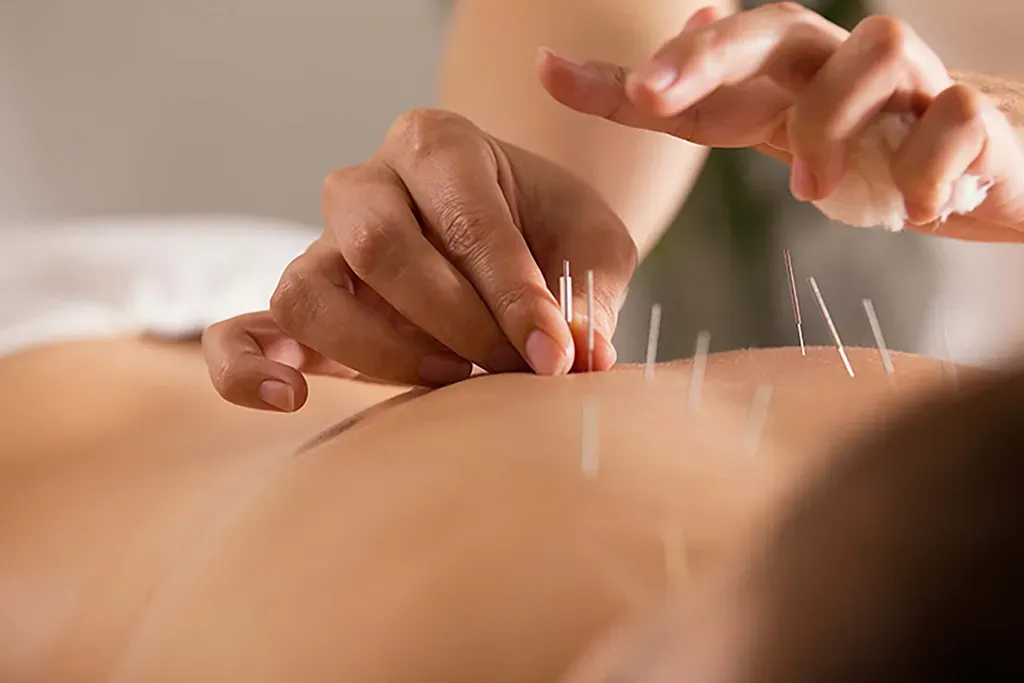
Acupuncture services offered in New York, NY
Acupuncture is a versatile treatment with numerous benefits, from faster recovery times to improved energy, so you can get back to doing what you love. At Manhattan Physical Therapy in Midtown Manhattan in New York City, skilled physical therapist Tiffany Zarcone, PT, DPT, and her team offer acupuncture to promote your body’s natural healing processes. Call the office or schedule an appointment online today to learn more about acupuncture’s remarkable benefits.
Acupuncture services offered in New York, NY
Acupuncture is a versatile treatment with numerous benefits, from faster recovery times to improved energy, so you can get back to doing what you love. At Manhattan Physical Therapy in Midtown Manhattan in New York City, skilled physical therapist Tiffany Zarcone, PT, DPT, and her team offer acupuncture to promote your body’s natural healing processes. Call the office or schedule an appointment online today to learn more about acupuncture’s remarkable benefits.
Acupuncture services offered in New York, NY
Acupuncture is a versatile treatment with numerous benefits, from faster recovery times to improved energy, so you can get back to doing what you love. At Manhattan Physical Therapy in Midtown Manhattan in New York City, skilled physical therapist Tiffany Zarcone, PT, DPT, and her team offer acupuncture to promote your body’s natural healing processes. Call the office or schedule an appointment online today to learn more about acupuncture’s remarkable benefits.
What Is Acupuncture?
Acupuncture is a treatment that uses very thin, sterile needles to stimulate specific points on the body. It has roots in traditional Chinese medicine, where practitioners describe treatment in terms of balancing the flow of qi, or life energy.
Modern practitioners may explain acupuncture differently. Needle stimulation can activate sensory nerves in the skin, muscles, and connective tissues and may influence how the nervous system processes pain. Research suggests that acupuncture can help some people manage pain, although the exact biological mechanisms are still being studied.
For someone dealing with persistent neck tension, back pain, headaches, or another painful condition, acupuncture is generally used as a complementary treatment, not as a replacement for necessary medical care.
What Can Acupuncture Help With?
Acupuncture is most commonly used to help manage pain and other symptoms. Research has found potential benefits for several musculoskeletal and pain-related conditions, including:
Neck pain
Lower back pain
Knee osteoarthritis
Headaches and migraines
Muscle pain and tension
Sports-related injuries
Tendinopathy
Certain nerve-related pain symptoms
Menstrual cramps
Nausea associated with some medical treatments
The evidence is not equally strong for every condition. The National Center for Complementary and Integrative Health (NCCIH), for example, recognizes acupuncture as a treatment that may help with conditions such as chronic low-back pain, neck pain, osteoarthritis-related pain, and headaches.
One reason acupuncture can be useful in a broader rehabilitation plan is that pain is not always caused by a single problem in one location. A person with chronic neck pain, for instance, may have muscle sensitivity, restricted movement, poor endurance, and an altered response to painful stimuli at the same time. Acupuncture may help address the pain component while exercise and movement-based treatment address the underlying physical limitations.
How Does Acupuncture Work?
There are two common ways to explain how acupuncture works.
Traditional Chinese medicine describes acupuncture points as locations along pathways called meridians. According to this framework, inserting needles at particular points helps restore balance in the flow of qi.
Modern research looks at acupuncture through the nervous system. Needle stimulation activates sensory structures in the skin and deeper tissues, which can influence pain-processing pathways. Research has also suggested effects on the release of endogenous opioids and other neurochemical processes involved in pain regulation.
A 2018 individual-patient-data meta-analysis published in The Journal of Pain analyzed data from 20,827 patients across 39 randomized controlled trials. It found that acupuncture was associated with greater improvements in chronic pain than both sham acupuncture and usual care, although the differences between acupuncture and sham treatment were relatively modest. This is one reason researchers generally view acupuncture as a potentially useful pain-management option rather than a universal treatment for every condition.
The response also varies considerably from person to person. Someone may notice less pain or muscle tension after a few sessions, while another person may experience little change. Your symptoms, diagnosis, overall health, and other treatments all matter when deciding whether acupuncture is appropriate.
What Happens During an Acupuncture Session?
Your first acupuncture appointment typically starts with a discussion about your symptoms, medical history, and treatment goals. The practitioner may ask where you feel pain, when it started, what makes it better or worse, and whether you have tried other treatments.
You will usually sit or lie comfortably while the practitioner places thin, single-use needles at selected points. The needles are solid and considerably thinner than the needles commonly used for injections or blood draws, so insertion usually causes little discomfort.
You may notice a brief prick, tingling, pressure, warmth, or a dull aching sensation around a needle. Some people barely notice the insertion at all.
Depending on the treatment approach, the practitioner may gently manipulate the needles or use heat or mild electrical stimulation. Needles commonly remain in place for about 10 to 20 minutes, although the exact duration varies.
A session may last around 30 to 60 minutes, including the consultation and treatment. Afterward, some people feel relaxed or slightly tired, while others feel normal or more energized. Mild soreness, bruising, or a small amount of bleeding at an insertion site can occur.
For safety, acupuncture should be performed by a properly trained practitioner using sterile, disposable needles. People with certain medical conditions, including those with a pacemaker or who are pregnant, should discuss acupuncture with an appropriate healthcare professional before treatment.
Is Acupuncture Painful?
Most people find acupuncture much less uncomfortable than they expect.
The needles used for acupuncture are extremely thin and solid, so insertion usually feels like a quick prick or almost nothing at all. Once a needle is in place, you may notice mild pressure, tingling, warmth, heaviness, or a dull ache around the area.
That sensation does not necessarily mean something is wrong. However, acupuncture should not cause severe or persistent pain. If a needle feels unusually painful, tell the practitioner so its position can be adjusted or it can be removed.
It is also normal to have a small amount of redness, bruising, or soreness afterward. These effects generally resolve on their own.
How Many Acupuncture Sessions Will You Need?
There is no fixed number of sessions that works for everyone.
The treatment schedule depends on the condition being treated, how long you have had symptoms, how severe they are, and how you respond to the first few sessions. Someone with a recent muscle injury may have a different treatment plan from someone dealing with chronic neck or lower back pain.
Some people receive acupuncture once or twice a week initially. After symptoms improve, sessions may become less frequent. Rather than committing to a predetermined number of treatments, it makes sense to monitor how your symptoms respond. If there is no meaningful improvement after an appropriate trial, your practitioner should reassess whether acupuncture is the right approach or whether another treatment should be considered.
Is Acupuncture Safe?
When performed by a properly trained practitioner using sterile, single-use needles, acupuncture generally has a low rate of complications.
The most common side effects are minor:
Temporary soreness
Small amounts of bleeding
Bruising around the needle site
Temporary tenderness
Lightheadedness in some people
More serious complications are uncommon but can occur, particularly when acupuncture is performed incorrectly or with nonsterile equipment.
Tell your practitioner about your medical history before treatment. This is especially important if you take blood-thinning medication, have a pacemaker, are pregnant, or have another condition that could affect your suitability for acupuncture.
Acupuncture and Physical Therapy: Can They Be Used Together?
Yes. Acupuncture and physical therapy can address different parts of the same problem.
Imagine someone who has developed persistent shoulder pain. Reducing pain may make it easier for that person to move the shoulder, perform strengthening exercises, and participate in rehabilitation. Physical therapy can then focus on restoring strength, mobility, coordination, and tolerance for everyday activities.
The same principle may apply to back pain, neck pain, sports injuries, and other musculoskeletal problems. The goal is not simply to make you feel better temporarily. A good treatment plan should also consider why the symptoms are occurring and what you need to return to normal activities.
When Should You Consider Acupuncture in New York?
Acupuncture may be worth discussing if you are dealing with persistent pain, muscle tension, headaches, or another condition for which acupuncture has been studied.
It can be particularly useful when pain is making other parts of recovery difficult. For example, if discomfort is preventing you from exercising or moving normally, reducing symptoms may help you participate more comfortably in an active rehabilitation program.
However, acupuncture is not appropriate for every symptom. Sudden severe pain, unexplained neurological symptoms, significant weakness, fever, major trauma, or other concerning changes may require medical evaluation rather than simply treating the pain.
If you are looking for acupuncture in New York, NY, a personalized assessment can help determine whether it fits your condition and treatment goals. The right approach may involve acupuncture alone or a combination of acupuncture, physical therapy, exercise, and other conservative treatments. Call (212) 213-3480 to schedule an acupuncture appointment at Manhattan Physical Therapy in New York City.
Manhattan Physical Therapy
✆ Phone (appointments):
(212) 213-3480
Address: 385 5th Ave, Suite 503, New York, NY 10016


