

Why Does the Inside of My Knee Hurt?
Manhattan Physical Therapy
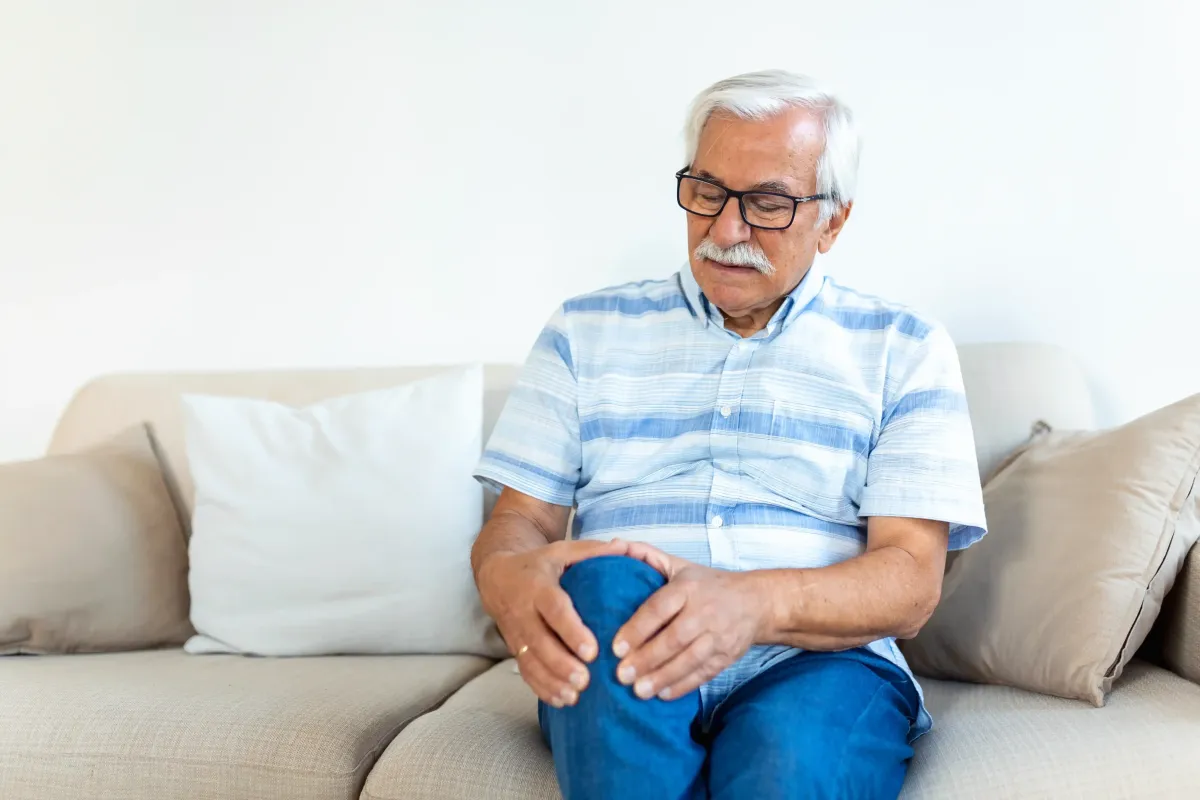
Pain on the inside of the knee—also called medial knee pain—is a common problem seen in both active adults and older individuals. It can appear suddenly after an injury or develop gradually due to overuse, joint wear, or muscle imbalance. For many people, the discomfort affects everyday activities like walking, climbing stairs, standing up from a chair, or exercising.
The inner side of the knee contains several important structures, including ligaments, cartilage, and cushioning tissues. When any of these become irritated, inflamed, or damaged, pain often shows up along the inside edge of the joint. Identifying the source early matters, because some conditions respond well to rest and therapy, while others worsen if ignored.
Which Structures on the Inner Knee Can Cause Pain?
Although the knee looks like a simple hinge, it is a complex joint that relies on multiple tissues working together smoothly.
Tendons and ligaments
The quadriceps tendon connects the thigh muscles to the kneecap.
The patellar tendon connects the kneecap to the shinbone.
The medial collateral ligament (MCL) runs along the inner side of the knee and prevents it from collapsing inward.
Other stabilizers include the anterior and posterior cruciate ligaments (ACL and PCL).
Cartilage and cushioning structures
The meniscus consists of C-shaped cartilage pads that absorb shock between the thigh bone and shinbone. The medial meniscus sits on the inner side of the knee.
Bursae are small fluid-filled sacs that reduce friction between bones, tendons, and muscles.
The plica is a fold in the joint lining that can become irritated with overuse.
When one or more of these structures is strained, torn, or inflamed, pain often localizes to the inner knee.
What Are the Most Common Causes of Inner Knee Pain?
Inner knee pain usually develops due to injury, repetitive stress, or age-related joint changes. Some of the most frequent triggers include:
A blow to the outside of the knee, forcing it inward
Sudden twisting or pivoting movements (common in sports like soccer, rugby, or skiing)
Repetitive activities such as cycling, running hills, or breaststroke swimming
Muscle weakness or imbalance around the hip and thigh
Gradual cartilage wear with age
Research shows that medial knee structures absorb higher load during walking and stair climbing, which helps explain why pain often worsens with daily activities. Studies on knee biomechanics indicate that people with poor hip or quadriceps strength place increased stress on the medial knee compartment, raising the risk of injury and arthritis over time.
Can an MCL Injury Cause Pain on the Inside of the Knee?
Yes. Medial Collateral Ligament (MCL) injuries are one of the most common causes of inner knee pain. The MCL runs along the inner edge of the knee and helps keep the joint stable. An MCL injury occurs when the knee is forced beyond its normal range, especially when it bends inward. This often happens during contact sports, awkward landings, or sudden direction changes.
Common symptoms of an MCL injury include:
Pain and tenderness along the inner knee
Swelling that may appear quickly
A popping sensation at the time of injury
Stiffness and difficulty walking
A feeling that the knee is unstable or may give way
Clinical studies show that most mild to moderate MCL injuries heal well without surgery, especially when treated early with guided physical therapy and activity modification. Delaying care, however, can lead to lingering instability and recurring pain.
Can a Meniscus Tear Cause Pain on the Inner Side of the Knee?
Yes. A medial meniscus tear is one of the most frequent reasons people experience pain on the inside of the knee. Each knee has two menisci—thick, rubbery cartilage pads that act as shock absorbers between the thigh bone and shin bone. The medial meniscus, located on the inner side, is more commonly injured because it is less mobile and absorbs more load during walking, squatting, and twisting.
Meniscus tears often occur during:
Sudden twisting or pivoting while the foot is planted
Sports involving cutting or rotation
Simple movements in older adults, such as standing up awkwardly
Research shows that degenerative meniscus tears affect more than 35% of adults over age 50, even without a clear injury. These tears may start gradually and worsen with activity.
Common symptoms of a medial meniscus tear include:
Pain along the inner joint line
Swelling that develops hours after activity
Clicking, catching, or locking of the knee
Difficulty fully bending or straightening the knee
A feeling that the knee may give way
Can Bursitis Cause Inner Knee Pain?
Yes. Knee bursitis, particularly inflammation of the pes anserine bursa, is a common and often overlooked cause of inner knee pain. Bursae are small fluid-filled sacs that reduce friction between bones, tendons, and muscles. The pes anserine bursa sits on the inner side of the knee, about 2 to 3 inches below the joint line, where three tendons attach to the shinbone. Bursitis may develop due to:
Repetitive stress from running or cycling
Sudden increases in training intensity
Muscle tightness or imbalance
Underlying knee alignment issues
Studies suggest pes anserine bursitis is more common in runners, people with knee arthritis, and individuals with tight hamstrings or weak hip muscles.
Symptoms of inner knee bursitis include:
Localized pain below the knee joint
Swelling and tenderness on the inner knee
Pain when climbing stairs or standing from a seated position
Discomfort even at rest in some cases
Warmth over the affected area
Does Knee Osteoarthritis Cause Pain on the Inside of the Knee?
Yes. Knee osteoarthritis (OA) frequently causes pain on the inner side of the knee. Osteoarthritis occurs when the cartilage that cushions the joint gradually wears down. The medial compartment of the knee is affected first in most people, which is why pain often starts on the inside.
According to large population studies, knee osteoarthritis affects:
Over 40% of adults above age 60
A growing number of younger adults with prior knee injuries or excess joint load
Typical symptoms of knee osteoarthritis include:
Pain that worsens with activity
Morning stiffness lasting under 30 minutes
Swelling and warmth around the joint
Reduced range of motion
Grinding or crackling sounds during movement
What Is Plica Syndrome and Can It Cause Inner Knee Pain?
Plica syndrome occurs when a fold of joint lining tissue becomes irritated or inflamed. Most people have several plicae in each knee, but the medial plica—located on the inner side—is the most likely to cause pain. Overuse, repetitive knee bending, or direct trauma can cause this tissue to thicken and rub against surrounding structures. Plica syndrome is more common in:
Physically active individuals
People who recently increased training intensity
Those recovering from knee injuries
Common symptoms include:
Dull or sharp inner knee pain
Pain when climbing stairs or squatting
Clicking or catching sensations
Knee stiffness after sitting
Localized swelling
What Other Conditions Can Cause Inner Knee Pain?
Several other conditions may contribute to pain on the inside of the knee:
Trauma or fractures, including stress fractures
Ligament strains or sprains
Rheumatoid arthritis, an autoimmune condition that causes morning stiffness and joint swelling
Referred pain from hip or foot mechanics
What Symptoms Often Come With Inner Knee Pain?
Inner knee pain can feel different depending on the cause. Common accompanying symptoms include:
Sharp or aching pain
Swelling
Warmth around the joint
Bruising or skin discoloration
Popping or cracking sounds
Instability or weakness
How Is Inner Knee Pain Diagnosed?
To diagnose inner knee pain, a clinician will:
Review your health history and activity level
Ask when the pain started and what makes it better or worse
Perform a physical examination of the knee
Imaging may be used when needed:
X-rays to assess joint space and arthritis
MRI scans to evaluate ligaments, meniscus, and cartilage
Ultrasound for soft tissue and bursae assessment
Blood tests may be ordered if an autoimmune condition is suspected.
How Is Inner Knee Pain Treated?
Treatment depends on the underlying cause and severity of symptoms. Most cases respond well to conservative care. Common non-surgical treatments include:
Activity modification
Ice and elevation
Anti-inflammatory medication when appropriate
Targeted physical therapy
Bracing or support when needed
Research consistently shows that structured physical therapy improves pain, strength, and function for meniscus injuries, MCL sprains, bursitis, and early osteoarthritis—often reducing the need for injections or surgery. In cases where conservative care does not help, options such as injections or minimally invasive procedures may be considered.
When Should You See a Doctor for Inner Knee Pain?
You should seek professional care if:
Pain lasts longer than a few days
Swelling or instability worsens
The knee locks or gives way
You cannot bear weight comfortably
Pain interferes with daily activities
Book an appointment with Manhattan Physical Therapy today and get expert, personalized care to help you move comfortably again. Call (212)-213-3480 to schedule your visit.
Frequently Asked Questions:
What is a red flag in knee pain?
Severe swelling, inability to bear weight, knee locking, visible deformity, fever, or pain after a major injury are red flags. Sudden instability or worsening pain should be evaluated promptly.
How do I tell if I tore my meniscus or MCL?
Meniscus tears often cause clicking, locking, or pain with twisting. MCL injuries usually cause tenderness along the inner knee with pain after a side impact or inward collapse.
What exercises repair knee cartilage?
Cartilage does not regrow fully, but low-impact strengthening like cycling, leg raises, and controlled squats help protect it by improving joint support and load distribution.
How do you know if knee pain is serious?
Knee pain is more concerning if it lasts over a few days, worsens with rest, causes instability, or limits normal movement. Night pain and joint locking also warrant evaluation.
Can physio fix cartilage damage?
Physical therapy cannot rebuild cartilage, but it can reduce pain, improve function, and slow further damage by strengthening muscles and improving joint mechanics.
What Do They Say About Us?
Alexander Liu
"Everyone on the team at Manhattan Physical Therapy is super nice and caring. They were able to pretty quickly diagnose my knee and hip problems and immediately put me to work to reduce the pain.."
Henry Myerberg
"You're not just a patient when you come to the Manhattan Physical Therapy. You feel like family there. In particular, Erica with her colleagues John, Lidia and Joe not only fix and improve you physically, they make you feel welcomed and cared for.."
Hakyung Kim
"Everyone is so kind and helpful! my knee and hip pain have improved massively since starting Manhattan PT, highly recommend to anyone. special thanks to Bianca, Lidia, Joe, and John!"
Manhattan Physical Therapy
✆ Phone (appointments):
(212) 213-3480
Address: 385 5th Ave, Suite 503, New York, NY 10016


