

What to Expect After SLAP and Bankart Shoulder Repair
Manhattan Physical Therapy
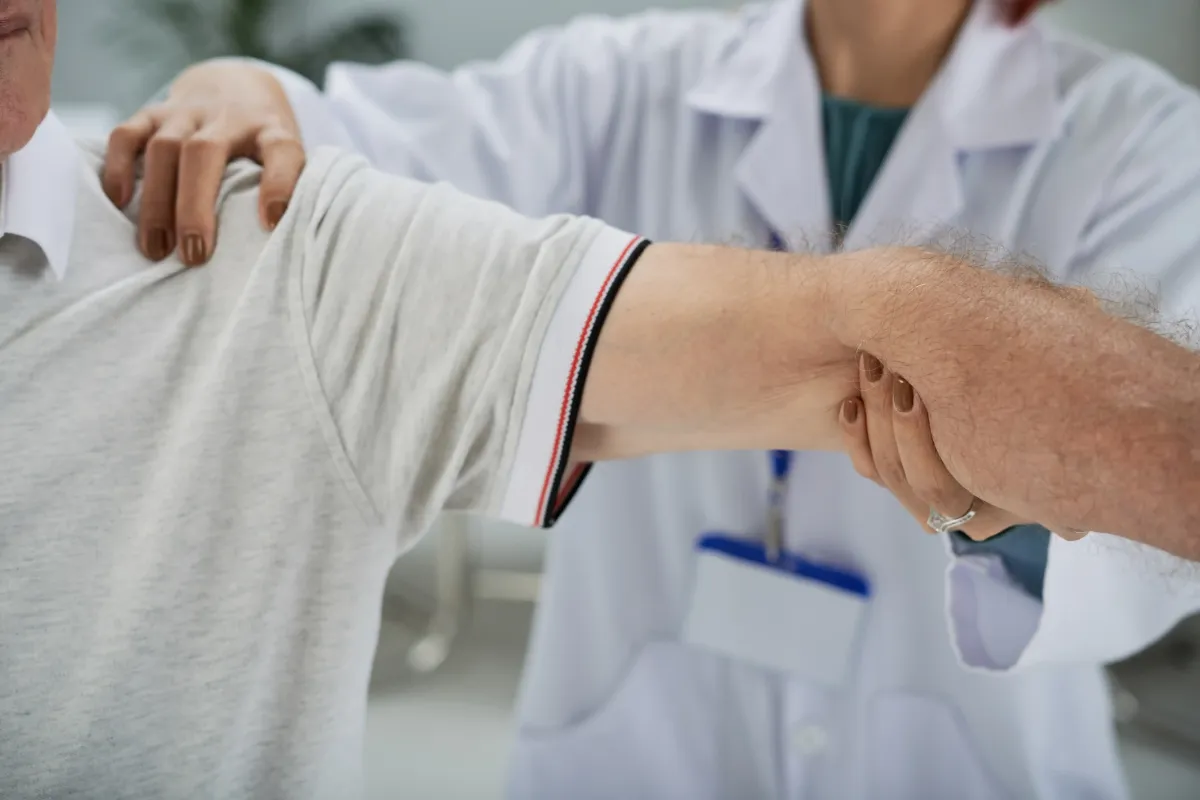
What Is a SLAP or Bankart Shoulder Repair?
A SLAP repair or Bankart repair is a surgical procedure used to fix damage to the labrum, a ring of cartilage that stabilizes the shoulder joint.
Your shoulder is the most mobile joint in the body. It allows you to reach overhead, throw, lift, and rotate your arm in many directions. To keep this wide range of motion stable, the shoulder relies on the glenoid labrum, a ring of cartilage that deepens the shoulder socket and helps hold the upper arm bone in place.
When this cartilage tears, the shoulder may feel painful, weak, unstable, or prone to dislocation. Two of the most common labral injuries are:
SLAP Tear (Superior Labrum Anterior to Posterior)
A SLAP tear affects the top part of the labrum, where the biceps tendon attaches. This type of injury often develops from:
Repetitive overhead motions (throwing, swimming, tennis)
Heavy lifting
Falling onto an outstretched arm
Sudden pulling forces on the shoulder
Athletes who throw or serve frequently are especially at risk.
Bankart Tear
A Bankart tear occurs in the lower front part of the labrum and is usually associated with shoulder dislocations. When the shoulder pops out of its socket, it can tear the cartilage that stabilizes the joint.
Bankart tears commonly occur in:
Contact sports
Falls
Traumatic shoulder dislocations
Repeated instability episodes
How These Injuries Are Repaired
Most SLAP and Bankart repairs are performed arthroscopically, meaning the surgeon uses a small camera and specialized instruments through tiny incisions. During surgery, the surgeon may:
Reattach the torn labrum to the shoulder socket
Secure the labrum with small anchors and sutures
Repair associated injuries such as rotator cuff tears
Because the procedure is minimally invasive, recovery is usually faster and scarring is minimal.
Why Would Someone Need SLAP or Bankart Surgery?
Not every labral tear requires surgery. Many mild tears can improve with physical therapy, rest, and activity modification. Surgery is usually recommended when:
Shoulder pain persists despite conservative treatment
The shoulder feels unstable or frequently “slips” out of place
Imaging tests confirm a significant labral tear
The injury interferes with work, sports, or daily activities
The tear resulted from a traumatic injury
Doctors also consider several other factors before recommending surgery.
Severity of the Tear
Labral injuries are classified based on how much the cartilage has detached from the shoulder socket.
For example:
Type 1 SLAP tears often involve minor fraying and may heal with therapy.
Type 2 tears involve detachment of the labrum and biceps tendon.
Type 3 and Type 4 tears are more severe and commonly require surgery.
Bankart tears associated with repeated shoulder dislocations are also strong candidates for surgical repair.
Age and Activity Level
Treatment decisions often depend on what a patient wants to return to doing.
For example:
Overhead athletes (baseball pitchers, swimmers, tennis players) often need a stable shoulder to return to sport.
Physically demanding jobs may also require full shoulder stability.
Less active individuals may manage symptoms successfully with non-surgical treatment.
Failure of Conservative Treatment
Most providers recommend trying non-surgical care first, which may include:
Physical therapy
Anti-inflammatory medication
Activity modification
Shoulder strengthening exercises
If symptoms continue after several weeks or months, surgery may be the next step.
What Happens on the Day of SLAP or Bankart Surgery?
Most SLAP and Bankart repairs are outpatient procedures, meaning you go home the same day. The surgery usually takes one to two hours, depending on the complexity of the injury.
Before the Procedure
You will receive anesthesia so you remain comfortable during the operation. This may include:
General anesthesia, where you are asleep during the procedure
Regional nerve block, which numbs the shoulder and arm
The surgical team will also position your shoulder carefully so the surgeon can access the damaged tissue.
During the Procedure
The surgeon will make several small incisions around your shoulder and insert a tiny camera called an arthroscope.
This camera allows the surgeon to clearly see the inside of the joint on a monitor.
Once the tear is identified, the surgeon may:
Clean up damaged cartilage.
Prepare the bone surface.
Insert small anchors into the shoulder socket.
Attach the torn labrum back to the bone using sutures.
These anchors hold the cartilage in place while it heals.
After Surgery
Once the repair is complete:
The incisions are closed with stitches or surgical glue.
Small bandages or steri-strips are applied.
Your arm will be placed in a sling or shoulder immobilizer.
You will spend a short time in recovery before going home.
Most patients are able to leave the surgical center within a few hours.
Your doctor will also provide instructions about:
Pain management
Sling use
Ice therapy
When to begin physical therapy
What Should You Expect Immediately After Surgery?
The first few weeks after SLAP or Bankart repair focus on protecting the surgical repair and controlling pain. Because the labrum has been reattached to bone, it must remain protected while healing begins.
Wearing a Sling
Most patients need to wear a shoulder sling for 4 to 6 weeks.
The sling helps:
Protect the repaired tissue
Prevent accidental movements
Reduce strain on the shoulder
You will typically wear the sling:
During the day
While sleeping
While walking or moving around
Your surgeon may allow you to remove it briefly for:
Bathing
Gentle exercises
Relaxing the arm at your side
Managing Pain and Swelling
Some discomfort is normal after surgery.
Your doctor may recommend:
Prescribed pain medication
Ice packs or an ice therapy machine
Elevation and rest
Ice is especially helpful during the first few weeks because it reduces inflammation and swelling around the shoulder joint.
Many patients find it easier to sleep in a recliner or propped up with pillows until the shoulder becomes more comfortable.
Early Movement Restrictions
During the first phase of recovery, movement is very limited.
You should avoid:
Lifting objects
Reaching overhead
Pushing or pulling
Using the surgical arm for daily activities
However, you will usually be allowed to move your:
Elbow
Wrist
Hand
This helps maintain circulation and prevents stiffness.
Your physical therapist will guide you through safe exercises that protect the repair while keeping the joint mobile.
Recovery Timeline After SLAP and Bankart Repair
Recovery after labrum repair varies depending on tear severity, surgery type, and patient goals, but there is a general timeline to help set expectations.
Weeks 1–4: Protection Phase
Your arm remains in a sling most of the time.
Passive range-of-motion exercises are started under guidance—your therapist moves your arm while your muscles stay relaxed.
Pain, swelling, and stiffness are normal. Ice therapy, elevation, and prescribed medications help.
Avoid lifting, pushing, or reaching with the surgical arm.
Weeks 4–8: Assisted Movement Phase
Begin active-assisted range-of-motion (AAROM) exercises. You will use your non-surgical arm or tools like a cane to help move the surgical arm.
The goal is to restore shoulder mobility gradually without stressing the labrum.
Lifting heavier objects or overhead movements is still prohibited.
Weeks 8–12: Active Motion Phase
Sling is typically removed completely.
You start active range-of-motion (AROM) exercises, moving the arm independently.
Light resistance exercises are added, focusing on rotator cuff and scapular stabilizers.
Movements remain below shoulder height to protect the repair.
Months 3–4: Progressive Strengthening Phase
Gradually increase resistance as tolerated.
Begin overhead and functional exercises carefully.
Physical therapy sessions may taper to once per week if progress is consistent.
Months 4–6: Advanced Training Phase
Athletes or physically active individuals may start sport-specific movements.
Throwing, swimming, or racquet activities are gradually introduced.
Monitoring for pain or instability is critical during this phase.
Months 6–9: Full Activity
Most patients return to normal daily activities by 6 months.
Athletes in overhead sports may need up to 9 months before full competitive activity.
Continued home exercises maintain strength and mobility.
Note: Even if your shoulder feels better, do not rush progression. Overloading the repair too early is the most common cause of re-injury.
Physical Therapy After Shoulder Labrum Surgery
Physical therapy is essential for successful recovery. Your therapist will guide you through:
Range-of-motion exercises: start passive, move to active-assisted, and then active movements.
Strengthening exercises: rotator cuff, scapular stabilizers, and deltoid muscles.
Functional training: reaching, lifting, and eventually sport-specific drills.
Your physical therapist will track your progress and adjust exercises based on your healing. Sessions may start 2 times per week, tapering to once per week as mobility and strength improve.
Sample Exercises After Surgery
These examples illustrate what your physical therapist may prescribe:
Shoulder External Rotation Stretch
Performed lying on your back with elbows tucked to your side.
Your non-surgical arm gently guides the surgical arm to stretch without active effort.
This helps improve external rotation safely.
Table Flexion Stretch
Place your hands on a table or counter, bend forward at the waist.
Let your arms stretch overhead passively, keeping shoulders relaxed.
Avoid sharp or pinching pain.
Important: Always perform exercises as instructed by your therapist. Attempting movements too early can compromise your repair.
Possible Complications and Warning Signs
While most SLAP and Bankart repairs succeed, it is important to watch for issues:
Infection
Excessive swelling or bleeding around incisions.
Nerve or blood vessel damage
Persistent instability
Stiffness or frozen shoulder
Final Thoughts
Recovery from SLAP or Bankart shoulder repair is a stepwise process. The labrum needs time to heal, and surrounding muscles need progressive strengthening. Success relies on adherence to therapy, cautious progression, and early recognition of complications.
With proper care, most patients regain full shoulder function, return to work, daily activities, and even competitive sports. Recovery may take 6–12 months, depending on the injury, but following a structured rehabilitation plan significantly improves outcomes.
Schedule your personalized physical therapy at Manhattan Physical Therapy today to regain strength and mobility safely. Call us at (212)-213-3480 to book your appointment.
What Do They Say About Us?
Alexander Liu
"Everyone on the team at Manhattan Physical Therapy is super nice and caring. They were able to pretty quickly diagnose my knee and hip problems and immediately put me to work to reduce the pain.."
Henry Myerberg
"You're not just a patient when you come to the Manhattan Physical Therapy. You feel like family there. In particular, Erica with her colleagues John, Lidia and Joe not only fix and improve you physically, they make you feel welcomed and cared for.."
Hakyung Kim
"Everyone is so kind and helpful! my knee and hip pain have improved massively since starting Manhattan PT, highly recommend to anyone. special thanks to Bianca, Lidia, Joe, and John!"
Manhattan Physical Therapy
✆ Phone (appointments):
(212) 213-3480
Address: 385 5th Ave, Suite 503, New York, NY 10016


