

What Does Cupping Do for Your Back?
Manhattan Physical Therapy
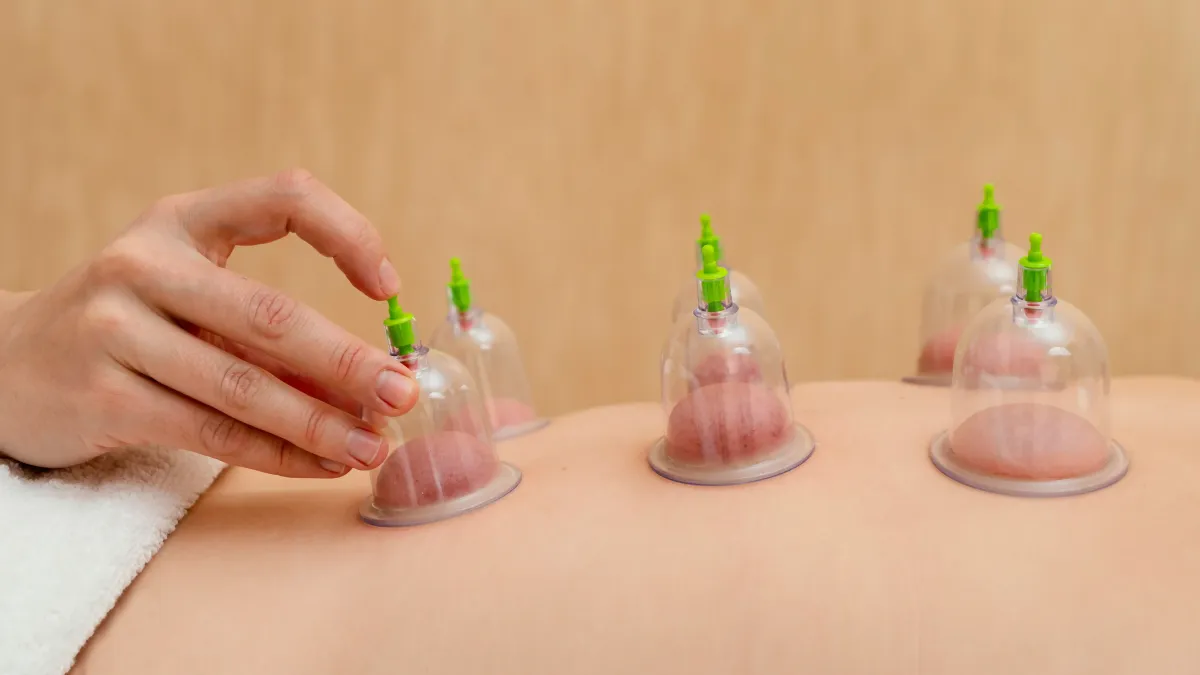
Back pain can slowly take over daily life—making it harder to sit, sleep, work, or even enjoy a simple walk. Many people look beyond medications and injections for relief and come across cupping therapy. So what does cupping actually do for your back, and why do so many patients say it helps?
Cupping therapy uses gentle suction on the skin to target tight, painful areas of the back. The goal isn’t just short-term comfort. It’s to improve circulation, reduce muscle tension, and support the body’s natural healing response. When used appropriately, cupping can be a useful option for people dealing with muscle-based back pain, stiffness from long hours of sitting, or lingering discomfort after activity.
What Is Cupping Therapy?
Cupping therapy is a hands-on treatment where a trained provider places special cups on the skin to create suction. The cups may be made of glass, plastic, or silicone, and the suction is created either with heat or a manual pump. Once placed, the cups gently lift the skin and underlying tissues.
This technique has been used for centuries in traditional medicine systems, including practices from East Asia and the Middle East. Today, cupping is commonly offered by physical therapists, chiropractors, acupuncturists, and massage therapists—often as part of a broader pain management plan.
For back pain, cups are typically placed along the muscles near the spine, across the upper back and shoulders, or in the lower back where stiffness and strain are common. Sessions are usually short, and the cups stay in place for several minutes depending on the goal of treatment.
How Does Cupping Work on the Back?
Cupping works by creating negative pressure on the skin, which draws blood and fluids toward the treated area. This process does several important things for the back:
Improves local blood flow, bringing oxygen and nutrients to tight or irritated muscles
Relieves muscle tension by gently lifting and separating muscle layers
Reduces stiffness in the fascia, the connective tissue that can become restricted with pain or poor posture
When back muscles are tight or overworked, circulation often becomes limited. Cupping helps reverse that pattern. The increased blood flow supports tissue repair and can calm irritated nerves that contribute to pain.
Some people notice relief right after a session, while others feel gradual improvement over multiple treatments. The round marks left behind are not bruises in the traditional sense—they’re a sign that stagnant blood has been brought to the surface and typically fade within a week or two.
What Types of Back Pain Can Cupping Help With?
Cupping therapy is most helpful for muscle-related back pain, especially when tightness and restricted movement are involved. Patients often use cupping for:
Upper back and shoulder tension from desk work or stress
Mid-back stiffness linked to poor posture
Lower back pain caused by muscle strain or overuse
Ongoing soreness after workouts or physical labor
Cupping is not designed to treat fractures, severe disc injuries, or serious spinal conditions on its own. However, for people dealing with everyday back pain, chronic tightness, or reduced mobility, it can be a valuable addition to care.
In many clinics, cupping is combined with physical therapy exercises, manual therapy, or mobility work to improve results. This integrated approach helps address both the symptoms and the underlying movement issues contributing to back pain.
Key Benefits of Cupping Therapy for Back Pain
Cupping therapy offers more than just temporary relief—it addresses multiple aspects of back discomfort. Here’s how it helps:
1. Pain Relief
The suction created by the cups lifts and separates muscle fibers, releasing tension and reducing discomfort. This can be especially helpful for chronic back pain caused by muscle strain or prolonged sitting. Patients often report a noticeable decrease in stiffness and soreness after just a few sessions.
2. Improved Blood Circulation
By drawing blood to the surface of the skin, cupping increases oxygen and nutrient delivery to the muscles. This boost in circulation helps speed recovery, reduce inflammation, and support tissue repair. Over time, improved blood flow can also reduce the risk of recurring muscle tightness.
3. Muscle Relaxation and Flexibility
Cupping gently stretches the muscles and fascia, releasing tightness that can limit movement. This leads to better flexibility, range of motion, and overall comfort in daily activities like bending, lifting, or exercising.
4. Reduced Inflammation
Cupping can help minimize local inflammation by encouraging the removal of waste products from tissues and supporting lymphatic drainage. This can decrease swelling and discomfort in the affected back areas.
5. Support for Stress Reduction and Sleep
The calming effect of cupping helps reduce stress, which is often linked to muscle tension and pain. Many patients also find it easier to sleep after sessions, as pain and tension are eased.
6. Complements Other Treatments
Cupping works best when paired with other therapies like physical therapy, chiropractic care, or massage. By loosening muscles and improving circulation, cupping can enhance the effectiveness of these treatments and provide more lasting relief.
What to Expect During and After a Session
During Treatment
A typical session lasts about 10–20 minutes. Cups may be placed on different parts of your back, such as:
Upper back and shoulders
Mid-back along the spine
Lower back where stiffness is common
Depending on the method, cups may remain stationary (dry cupping), be gently moved over the skin (sliding cupping), or involve minimal blood release (wet cupping). You may feel a gentle pulling or mild pressure, but pain is usually minimal.
After Treatment
It’s normal to have circular marks where the cups were applied. These marks usually fade within 1–2 weeks. Some soreness or tenderness may occur, similar to what you might feel after a deep tissue massage. Drinking water, gentle stretching, and avoiding strenuous activity immediately after a session can help support recovery.
Possible Side Effects and Precautions
While cupping is generally safe, some patients may experience:
Temporary bruising or skin discoloration
Mild soreness or fatigue
Rarely, lightheadedness or fainting, particularly with wet cupping
Cupping is not recommended for everyone. Avoid treatment if you have:
Pregnancy
Bleeding disorders or clotting issues
Severe skin conditions or open wounds
Certain heart conditions or pacemakers
Always consult a licensed healthcare provider before beginning cupping therapy to ensure it’s safe for your specific situation.
How Cupping Fits Into a Comprehensive Back Pain Plan
Cupping is most effective as a complementary therapy, not a stand-alone solution. Combining cupping with physical therapy, stretching, strengthening exercises, and good posture habits provides the best outcomes for lasting back pain relief.
For patients in [your city/region], licensed physical therapists and alternative medicine providers often integrate cupping into broader treatment plans to target pain, restore mobility, and support overall wellness. With the right guidance, cupping can be a natural, low-risk way to help your back feel better while improving circulation, reducing inflammation, and promoting long-term recovery.
Ready to find relief from back pain? Schedule your cupping therapy session at Manhattan Physical Therapy today and take the first step toward a more comfortable, mobile, and pain-free back. Call us at (212)-213-3480 to book your appointment.
Frequently Asked Questions
Is cupping therapy good for back pain?
Cupping therapy can be helpful for back pain caused by muscle tightness, poor circulation, or ongoing tension. By improving blood flow and relaxing tight muscles, cupping may reduce pain and stiffness. It is most effective when used alongside treatments like physical therapy or guided exercise.
How long do cupping marks last on the back?
Cupping marks are temporary and usually fade within 7 to 14 days. They are not true bruises and typically don’t cause muscle damage. The color and duration depend on your circulation, skin sensitivity, and how tight the muscles were before treatment.
Does cupping therapy hurt?
Cupping should not be painful. Most patients describe the sensation as a firm pulling or pressure on the skin. Mild soreness can occur afterward, similar to what you might feel after a deep tissue massage, but severe pain is uncommon.
How many cupping sessions are needed for back pain?
The number of sessions varies depending on the cause and severity of your back pain. Some people feel relief after one or two sessions, while others benefit from multiple treatments over several weeks. A healthcare provider can recommend a plan based on your condition and goals.
Can cupping help lower back pain from sitting all day?
Yes, cupping can be especially helpful for lower back pain related to prolonged sitting or poor posture. It helps release tight muscles, improves circulation, and supports better movement, which can reduce discomfort caused by long hours at a desk.
Is cupping safe when combined with physical therapy?
Yes, cupping is often used alongside physical therapy. It can prepare the muscles for exercise by reducing tightness and improving mobility, which may enhance the overall results of your treatment plan.
What Do They Say About Us?
Alexander Liu
"Everyone on the team at Manhattan Physical Therapy is super nice and caring. They were able to pretty quickly diagnose my knee and hip problems and immediately put me to work to reduce the pain.."
Henry Myerberg
"You're not just a patient when you come to the Manhattan Physical Therapy. You feel like family there. In particular, Erica with her colleagues John, Lidia and Joe not only fix and improve you physically, they make you feel welcomed and cared for.."
Hakyung Kim
"Everyone is so kind and helpful! my knee and hip pain have improved massively since starting Manhattan PT, highly recommend to anyone. special thanks to Bianca, Lidia, Joe, and John!"
Manhattan Physical Therapy
✆ Phone (appointments):
(212) 213-3480
Address: 385 5th Ave, Suite 503, New York, NY 10016


