

Subacromial Bursitis Treatment in NYC
Manhattan Physical Therapy
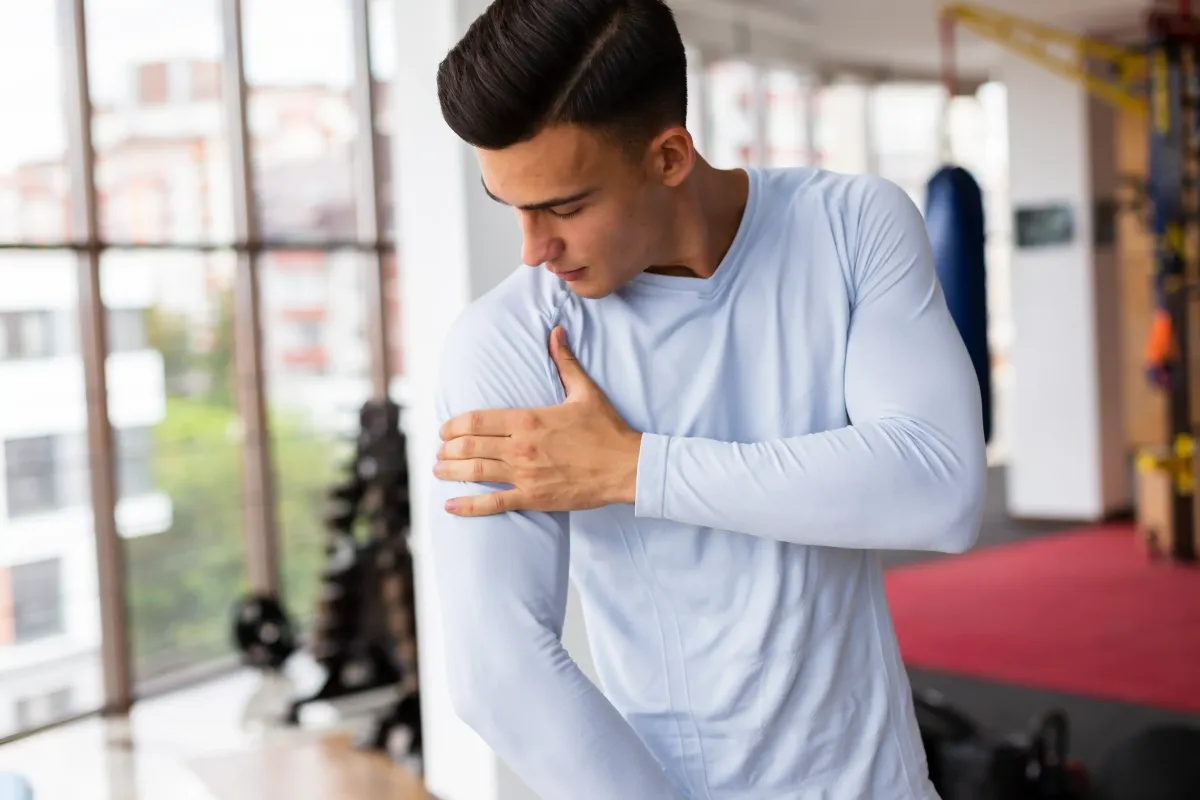
Shoulder pain that worsens when you lift your arm, reach overhead, or try to sleep on your side is often linked to subacromial bursitis. In a fast-paced city like New York, long desk hours, repetitive movements, workouts, and daily stress on the shoulders make this condition especially common.
Subacromial bursitis is painful but very treatable when addressed early. Understanding what’s happening inside your shoulder is the first step toward lasting relief and avoiding long-term stiffness or weakness.
What Is Subacromial Bursitis?
Subacromial bursitis is inflammation of the subacromial bursa, a small fluid-filled sac that sits between the rotator cuff tendons and the acromion (the top part of your shoulder blade). This bursa acts as a cushion, reducing friction when you lift or rotate your arm.
When the bursa becomes irritated or swollen, normal shoulder movement starts to cause pain. This often happens alongside irritation of the rotator cuff tendons, which is why terms like shoulder bursitis, rotator cuff tendinitis, and shoulder impingement are frequently used together. In practical terms:
The rotator cuff stabilizes the shoulder and controls fine movement
The deltoid provides power for lifting the arm
When inflammation narrows the space between these structures, pain develops—especially during overhead motion or the classic “painful arc” between waist and shoulder height
What Are the Common Symptoms of Subacromial Bursitis?
People with subacromial bursitis often describe symptoms that gradually worsen rather than appearing suddenly. Common signs include:
Dull or aching pain on the outer shoulder
Pain that travels down the side of the upper arm
Discomfort when lifting the arm overhead or reaching behind the back
Night pain, especially when lying on the affected shoulder
Stiffness or weakness with daily activities
Clicking, catching, or grinding sensations during movement
As inflammation increases, shoulder motion may become limited. If the condition is ignored, it can contribute to frozen shoulder (adhesive capsulitis), making recovery longer and more difficult.
What Causes Subacromial Bursitis?
Subacromial bursitis develops when repeated stress or structural issues overload the shoulder. The most common causes include:
Repetitive Overhead Use
Frequent lifting, reaching, throwing, or pressing movements—common in construction, fitness training, swimming, tennis, and even daily commuting tasks—can irritate the bursa over time.
Poor Shoulder Mechanics
Weak rotator cuff muscles, rounded shoulders, and poor posture (often from prolonged desk or phone use) can alter shoulder alignment, increasing pressure under the acromion.
Age-Related Changes
As we age, tendons lose elasticity and the subacromial space may narrow, making inflammation more likely even with normal activity.
Previous Injury or Trauma
Falls, fractures, or earlier shoulder injuries can change joint mechanics and predispose the bursa to irritation.
Medical Conditions
Arthritis, diabetes, thyroid disorders, gout, and inflammatory conditions can slow healing and increase swelling around the shoulder.
Less Common Causes
In rare cases, infection of the bursa can occur, usually following injections, open wounds, or bloodstream infections. This requires urgent medical care.
How Is Subacromial Bursitis Diagnosed?
Subacromial bursitis is usually diagnosed through a combination of clinical examination and imaging. In most cases, a detailed history and hands-on assessment provide strong clues about the source of pain.
Clinical Examination
A clinician will assess:
Where your pain is located
When it worsens (overhead movement, reaching, sleeping)
Shoulder range of motion and strength
Specific movements that reproduce symptoms, including the painful arc
These tests help distinguish bursitis from rotator cuff tears, frozen shoulder, or cervical spine–related pain.
Imaging Tests
Imaging is often used to confirm the diagnosis or rule out other causes:
X-rays are commonly ordered to check for arthritis, bone spurs, or structural narrowing
Ultrasound can show bursal swelling and tendon irritation in real time
MRI may be used when symptoms are persistent or when a tendon tear or labral injury is suspected
In some cases, a diagnostic injection of local anesthetic near the bursa can help confirm that the pain is coming from the subacromial space.
Non-Surgical Treatment Options for Subacromial Bursitis
Most people recover fully without surgery when treatment is started early and tailored to the cause of irritation.
Activity Modification
Avoiding repeated overhead motion and the painful arc position allows inflammation to settle. Complete rest is rarely recommended, as gentle movement helps maintain mobility.
Physical Therapy
Targeted physical therapy is one of the most effective treatments. A structured program focuses on:
Strengthening the rotator cuff and scapular muscles
Improving posture and shoulder mechanics
Restoring pain-free range of motion
Reducing stress on the bursa during daily activities
Pain and Inflammation Control
Short-term use of anti-inflammatory medications may help reduce swelling
Ice therapy can ease pain, especially after activity
Slings are generally avoided except for brief periods of severe pain
Corticosteroid Injections
If pain limits progress in therapy, an ultrasound-guided corticosteroid injection may be considered. This can reduce inflammation and improve comfort, allowing rehabilitation to move forward. Injections are typically used sparingly and as part of a broader treatment plan.
When Is Surgery Considered?
Surgery is not common for isolated subacromial bursitis but may be recommended when:
Symptoms persist despite consistent non-surgical care
Structural issues such as bone spurs significantly narrow the subacromial space
There are associated conditions like rotator cuff tears, AC joint arthritis, or labral injuries
Surgical Options
Procedures are usually performed arthroscopically and may include:
Removal of inflamed bursal tissue (bursectomy)
Smoothing bone to increase space under the acromion (acromioplasty)
Most patients still require physical therapy after surgery to restore strength and function.
How Long Does Recovery Take?
Recovery time varies based on severity and treatment consistency:
Mild cases: Improvement in 2–4 weeks
Moderate cases: 6–8 weeks with therapy
Persistent or complex cases: Several months
Starting treatment early leads to faster recovery and reduces the risk of chronic pain or stiffness.
Can Subacromial Bursitis Be Prevented?
While not all cases are preventable, the risk can be reduced by:
Maintaining good posture, especially during desk work
Strengthening shoulder and upper back muscles
Warming up before sports or workouts
Taking breaks from repetitive overhead tasks
Stopping activities that cause sharp or worsening pain
When Should You Seek Care?
You should seek professional evaluation if:
Shoulder pain lasts more than a few weeks
Pain interferes with sleep or daily activities
You experience increasing stiffness or weakness
There is redness, warmth, or fever (possible infection)
Takeaway
Subacromial bursitis is a common and treatable cause of shoulder pain, especially in active adults and professionals in NYC. With accurate diagnosis, targeted physical therapy, and proper activity guidance, most people recover without surgery and return to full function.
Call us at (212)-213-3480 to book your appointment today.
What Do They Say About Us?
Alexander Liu
"Everyone on the team at Manhattan Physical Therapy is super nice and caring. They were able to pretty quickly diagnose my knee and hip problems and immediately put me to work to reduce the pain.."
Henry Myerberg
"You're not just a patient when you come to the Manhattan Physical Therapy. You feel like family there. In particular, Erica with her colleagues John, Lidia and Joe not only fix and improve you physically, they make you feel welcomed and cared for.."
Hakyung Kim
"Everyone is so kind and helpful! my knee and hip pain have improved massively since starting Manhattan PT, highly recommend to anyone. special thanks to Bianca, Lidia, Joe, and John!"
Manhattan Physical Therapy
✆ Phone (appointments):
(212) 213-3480
Address: 385 5th Ave, Suite 503, New York, NY 10016


