

Relief from Fibular Head Pain – Manhattan PT
Manhattan Physical Therapy
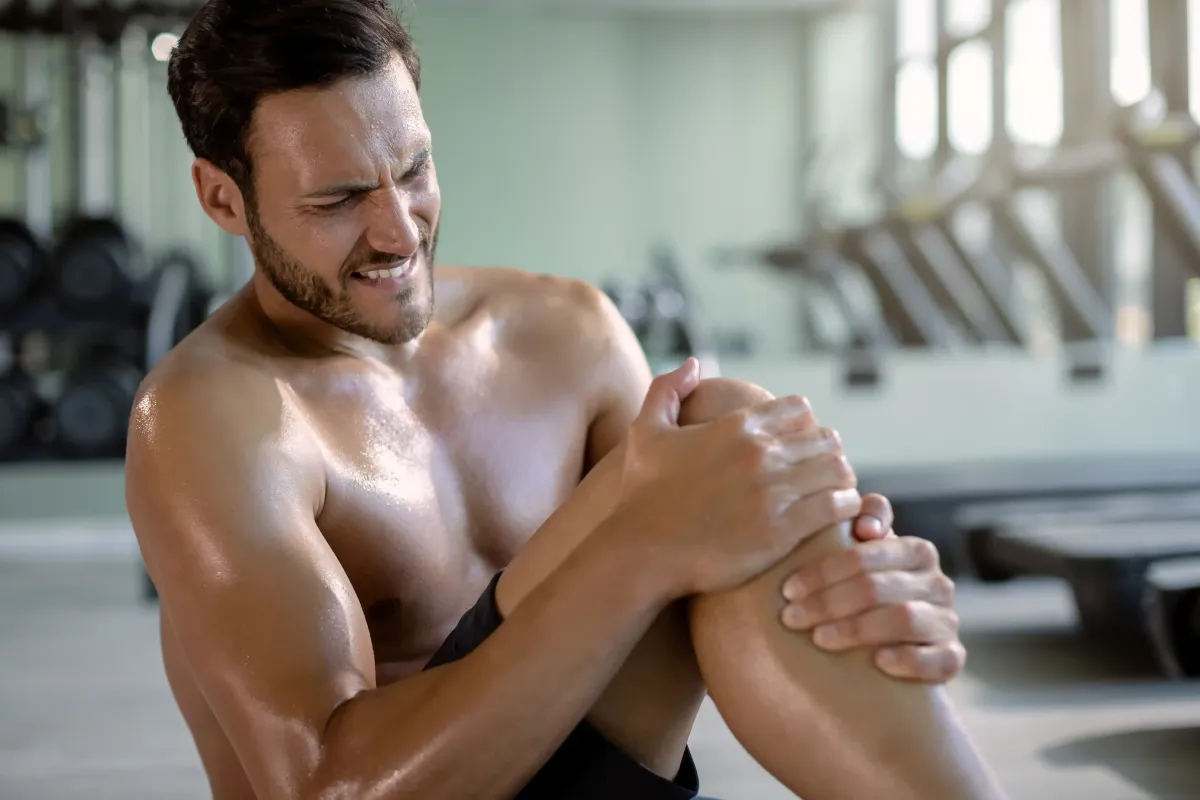
What Is Fibular Head Pain and Why Does It Matter?
Fibular head pain refers to discomfort on the outer side of the knee, just below the joint line. While the fibula is a smaller bone, problems at its upper end can significantly affect walking, running, and knee stability. Many patients are surprised to learn that pain in this area is often not coming from the knee joint itself, but from the structures surrounding the fibular head.
Because multiple ligaments, tendons, and a major nerve pass through this region, fibular head pain is frequently misdiagnosed or overlooked. At Manhattan Physical Therapy, we often see patients who have tried rest, braces, or knee-focused treatments without relief—only to discover the true source of pain lies at the proximal fibula.
What Is the Proximal Fibula?
The fibula is the thinner of the two lower-leg bones and runs along the outside of the leg. The proximal fibula is the upper portion of this bone, located just below the knee on the outer side. Although the fibula does not bear much body weight, the proximal fibula plays a critical role in:
Knee stability
Force transmission between the ankle and knee
Supporting ligaments and muscles involved in movement
Because of its position, even small movement issues or tissue irritation at the fibular head can create localized pain, instability, or nerve symptoms that radiate down the leg.
What Is the Proximal Tibiofibular Joint?
The proximal tibiofibular joint is a small joint where the fibula meets the tibia near the outer knee. This joint allows subtle gliding and rotational movement that helps the leg adapt during walking, running, and changes in direction. Key facts patients should know:
The joint contains cartilage, similar to the knee
It absorbs rotational stress coming up from the ankle
It is stabilized by strong ligaments but still needs controlled mobility
When this joint becomes irritated, arthritic, unstable, or swollen, it can produce pain that feels deep, sharp, or achy on the outside of the knee. In some people, the proximal tibiofibular joint also communicates with the knee joint, meaning knee arthritis or swelling can aggravate fibular head pain.
What Attaches to the Fibular Head and How Can It Cause Pain?
Several important structures attach directly to the fibular head, making it a common site for pain when any of these tissues are overloaded or injured.
Key structures include:
Biceps femoris tendon (outer hamstring)
Lateral collateral ligament (LCL)
Popliteofibular ligament
Tibiofibular ligaments
Common peroneal nerve (wraps around the fibular neck)
Why this matters:
Tight or overworked hamstrings can irritate the biceps femoris tendon
Ligament injuries or laxity can create joint instability
Excess fibular movement can irritate cartilage and surrounding tissue
Nerve irritation can cause burning, tingling, or pain radiating down the leg
This is why fibular head pain is rarely just a “simple knee issue.” A proper diagnosis requires assessing joint movement, ligament integrity, muscle balance, and nerve involvement—not just imaging or standard knee tests.
Why Does the Fibular Head Hurt?
Fibular head pain often stems from a combination of joint, muscle, and nerve issues. Understanding the root cause is key to effective treatment.
1. Joint Instability or Damage
If the ligaments that connect the fibula to the tibia—such as the tibiofibular ligaments or LCL—are loose, torn, or worn down, the fibula can move excessively. This instability can:
Irritate the proximal tibiofibular joint
Cause cartilage wear or arthritis
Aggravate nearby nerves
Many patients with fibular head instability don’t notice it until a specialized physical therapist tests the joint, because standard knee exams often miss this subtle movement.
2. Tight Hamstrings
The biceps femoris tendon attaches to the fibular head. Chronically tight or overworked hamstrings can stress this tendon, leading to tendinopathy, which causes localized pain. Activities like running, leg curls, or jumping can worsen symptoms.
3. Nerve Irritation
The common peroneal nerve wraps around the fibular neck. Joint instability or swelling can compress or irritate this nerve, resulting in:
Tingling or numbness along the outside of the leg
Burning sensations in the lower leg or foot
Weakness in foot movement in severe cases
Additionally, lower back nerve irritation (especially from the S1 nerve root) can mimic fibular head pain, which is why a thorough evaluation is critical.
Conditions That Can Cause Fibular Head Pain
Several underlying conditions may contribute to discomfort at the fibular head:
Ehlers-Danlos Syndrome (EDS)
Hamstring Tendinopathy
Knee Arthritis
Knee Instability
LCL Sprains or Tears
How Fibular Head Pain Is Diagnosed
Patient Symptoms
Patients often report:
Pain along the outer knee during running, especially downhill
Swelling, clicking, or a “giving way” sensation
Pain that sometimes radiates to the iliotibial band or kneecap
Daily activities like walking or cycling may cause minimal discomfort, which can delay seeking care.
Clinical Evaluation
A detailed assessment includes:
Palpation of the fibular head to check for tenderness
Stress testing to assess ligament laxity or joint instability
Muscle and tendon evaluation to identify tightness or overuse
Imaging
X-rays: Detect arthritis, bony spurs, or abnormal joint positioning
MRI: Visualizes cartilage damage, joint fluid, soft tissue injuries, and nerve irritation
This multi-step approach ensures an accurate diagnosis and prevents mislabeling the pain as generic knee discomfort.
Physical Therapy Techniques to Relieve Fibular Head Pain
Physical therapy provides effective, non-invasive ways to manage fibular head pain while improving knee function. One of the first approaches is hands-on therapy, where a therapist gently mobilizes the joint and surrounding tissues to reduce stiffness. Techniques like joint mobilizations help the fibula move more smoothly, while soft tissue and myofascial release relieve tension in muscles and connective tissues, promoting better circulation and reducing discomfort.
Strengthening exercises are also essential. Building strength around the knee, hip, and lower leg helps stabilize the fibula and relieve stress on the joint. Exercises targeting the quadriceps and hamstrings—such as leg lifts, hamstring curls, and wall sits—support the knee during movement. Strengthening the outer hip muscles improves knee alignment, and calf raises help balance muscle activity around the lower leg, supporting overall stability.
Stretching and flexibility work further complement therapy. Tight muscles can pull on the fibula, worsening pain, so stretching the hamstrings and quadriceps reduces tension on the knee. Loosening the calves and the iliotibial (IT) band can relieve strain on the fibular head and improve leg movement, making daily activities and exercise more comfortable.
Therapists also focus on improving movement patterns and balance. Exercises that train balance and coordination help the knee move smoothly, while proprioception exercises—designed to enhance awareness of joint position—lower the risk of reinjury and strengthen knee stability.
Finally, pain relief techniques can be used alongside exercises. Ultrasound therapy applies gentle heat to promote blood flow and tissue healing, while electrical stimulation (TENS) can quiet pain signals. Applying ice or heat directly to the fibular head also helps reduce inflammation and relax tight muscles, making movement less painful.
If you are experiencing outer knee or fibular head pain, Call (212)-213-3480 today to schedule an appointment and start your path to relief.
Frequently Asked Questions
Can nerve damage cause fibular head pain?
Yes. Irritation of the common peroneal nerve at the fibular neck can produce numbness, tingling, burning, or referred pain in the lower leg and foot.
Is tendonitis a common cause of fibular head pain?
Yes, although less frequent. Tendonitis of the biceps femoris or popliteus tendon can cause localized outer knee pain that sometimes radiates down the leg.
How long does recovery take?
Recovery depends on the underlying cause and severity. Mild ligament or tendon issues may improve in a few weeks, while chronic instability or arthritis may require months of therapy.
What others are saying
Alexander Liu
"Everyone on the team at Manhattan Physical Therapy is super nice and caring. They were able to pretty quickly diagnose my knee and hip problems and immediately put me to work to reduce the pain.."
Henry Myerberg
"You're not just a patient when you come to the Manhattan Physical Therapy. You feel like family there. In particular, Erica with her colleagues John, Lidia and Joe not only fix and improve you physically, they make you feel welcomed and cared for.."
Hakyung Kim
"Everyone is so kind and helpful! my knee and hip pain have improved massively since starting Manhattan PT, highly recommend to anyone. special thanks to Bianca, Lidia, Joe, and John!"
Manhattan Physical Therapy
✆ Phone (appointments):
(212) 213-3480
Address: 385 5th Ave, Suite 503, New York, NY 10016


