

Red Light Therapy for Pain Relief in NYC
Manhattan Physical Therapy
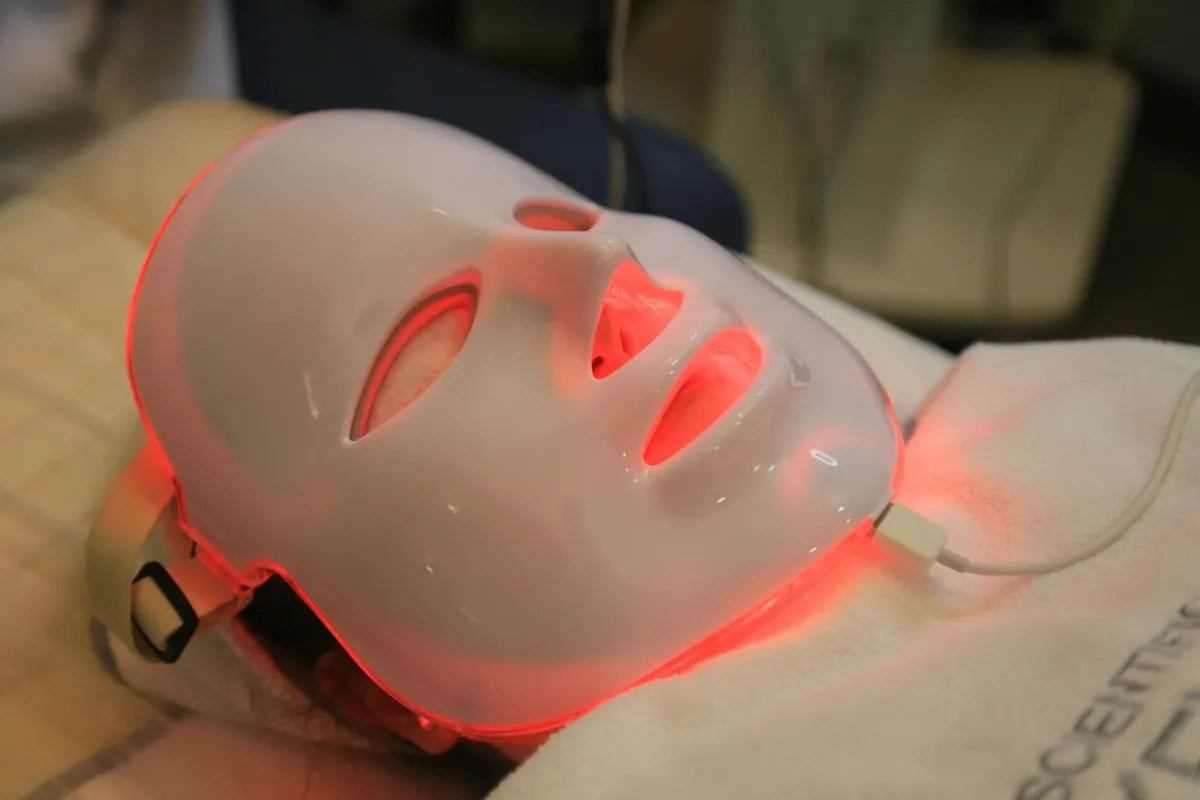
What Is Red Light Therapy?
Red light therapy (RLT) is a non-invasive treatment that uses specific wavelengths of red and near-infrared light to support healing in muscles, joints, and soft tissues. Unlike treatments that rely on heat or medication, this approach works at a cellular level to help your body repair itself more efficiently.
In a clinical setting, red light is delivered through LED panels or targeted devices placed over the affected area. The treatment is painless, quick, and does not involve UV exposure, which means it won’t damage your skin like tanning beds or sun exposure. You might also hear red light therapy referred to as:
Low-level laser therapy (LLLT)
Photobiomodulation
Cold laser therapy
While many people associate RLT with skincare, its real value in a physical therapy clinic is in pain management and tissue recovery.
How Does Red Light Therapy Work for Pain?
To understand why red light therapy is used for pain, it helps to look at what’s happening inside your cells.
Your cells contain structures called mitochondria. These act like tiny power generators, producing the energy your body needs to heal and function. Red light wavelengths penetrate the skin and are absorbed by these mitochondria, helping them produce more energy. That increase in cellular energy can lead to several benefits relevant to pain relief:
Reduced inflammation in muscles and joints
Improved blood circulation, bringing oxygen and nutrients to injured areas
Faster tissue repair, especially in soft tissue injuries
Relaxation of tight muscles, which often contribute to chronic pain
Instead of masking symptoms, the goal is to support the body’s natural healing process. This is why red light therapy is often used alongside physical therapy, not as a standalone fix.
What Conditions Can Red Light Therapy Help With?
In a physical therapy setting in NYC, red light therapy is typically used to manage pain and support recovery from musculoskeletal conditions.
Some of the most common conditions include:
1. Chronic Joint Pain
Conditions like knee pain, shoulder pain, and joint stiffness often involve inflammation. Red light therapy may help reduce that inflammation and improve mobility over time.
2. Tendon and Ligament Injuries
Issues such as tendonitis or sprains can take weeks to heal. RLT may help speed up recovery by improving circulation and cellular repair.
3. Back and Neck Pain
Whether it’s from poor posture, muscle strain, or disc-related issues, red light therapy can help relax tight muscles and reduce discomfort.
4. Arthritis-Related Pain
Some studies suggest short-term relief for conditions like rheumatoid arthritis, especially in reducing morning stiffness and joint tenderness.
5. Sports Injuries
Athletes often use red light therapy to recover from overuse injuries, muscle fatigue, and minor strains.
6. Nerve-Related Pain
There is emerging evidence that RLT may help with certain nerve-related pain conditions by reducing inflammation around affected areas.
Is Red Light Therapy Effective for Pain Relief?
This is where things get a bit nuanced.
Research on red light therapy is still evolving. Some studies show promising results, especially for reducing inflammation and relieving certain types of pain. However, many of these studies are small or vary in quality, so the overall evidence is still considered moderate, not definitive. What we do know:
There is consistent evidence supporting short-term pain relief in some musculoskeletal conditions
It appears to be more effective when combined with physical therapy, not used alone
Results vary depending on the condition, severity, and treatment consistency
In real-world clinical practice, many patients report noticeable improvements in pain levels and mobility after a series of sessions. That said, outcomes are not guaranteed, and expectations should be realistic.
Is Red Light Therapy Safe?
For most people, red light therapy is considered safe when used correctly under professional supervision. It’s non-invasive, doesn’t involve medications, and doesn’t expose you to harmful ultraviolet (UV) rays. That said, “safe” doesn’t mean risk-free.
Here’s what you should know:
Short-term use is generally well tolerated. Most patients feel only mild warmth during treatment.
Eye protection is important. Direct exposure to light can irritate or damage the eyes if proper precautions aren’t taken.
Overuse can cause irritation. Excessive sessions or incorrect settings may lead to redness or sensitivity.
Long-term effects are still being studied. While no major concerns have been confirmed, research is ongoing.
You should speak with a healthcare provider before starting if you:
Take medications that increase light sensitivity
Have a history of eye conditions
Have a history of skin cancer or are unsure about a diagnosis
When performed in a clinical setting, treatments are adjusted based on your condition, which significantly reduces risk.
What Happens During a Red Light Therapy Session?
If you’re considering red light therapy in NYC, it helps to know what the experience actually looks like.
A typical session is simple and straightforward:
1. Initial Assessment
A physical therapist evaluates your condition, pain level, and movement limitations. This step matters because red light therapy works best when it’s targeted.
2. Targeted Application
The device is placed over the painful or injured area. Depending on the condition, this could be your lower back, knee, shoulder, or neck.
3. Treatment Time
Sessions usually last 10 to 20 minutes per area. You’ll feel gentle warmth, but no pain or discomfort.
4. Post-Treatment Plan
Red light therapy is often combined with exercises, manual therapy, or stretching to improve long-term results.
How Many Sessions Will You Need?
There’s no one-size-fits-all answer here. The number of sessions depends on:
The type of condition (acute vs. chronic)
Severity of pain or injury
How your body responds to treatment
Whether it’s combined with other therapies
In general:
Acute injuries may improve within a few weeks
Chronic pain conditions often require longer treatment plans
Maintenance or “touch-up” sessions may be recommended
Red Light Therapy vs At-Home Devices
You’ve probably seen red light therapy devices online. Masks, wands, and panels are widely available, and many people consider using them at home. Here’s the honest comparison:
Clinic-Based Treatment
Stronger, medical-grade devices
Precisely targeted treatment
Supervised by trained professionals
Typically faster and more noticeable results
At-Home Devices
Lower power output
More convenient
Safer for general use, but less targeted
Results may take longer or be less noticeable
At-home devices aren’t useless, but they often lack the intensity needed for deeper tissue and pain-related conditions. For musculoskeletal pain, clinical treatment is usually more effective.
Is Red Light Therapy Right for You?
Red light therapy can be a useful option if you’re dealing with ongoing pain, inflammation, or slow recovery from an injury. But it’s not the right choice for every condition. You may benefit if you:
Have chronic joint or muscle pain
Are recovering from a soft tissue injury
Want a non-drug, non-invasive treatment option
Haven’t fully responded to traditional therapy alone
You may need a different approach if:
Your condition requires medical or surgical intervention
The diagnosis is unclear
You’re expecting instant or permanent results from a single treatment Top of Form
If you’re dealing with ongoing pain and want a non-invasive treatment option, our team can help you figure out the right approach. Call (212)-213-3480 to schedule your evaluation and get started with a personalized plan.
What Do They Say About Us?
Alexander Liu
"Everyone on the team at Manhattan Physical Therapy is super nice and caring. They were able to pretty quickly diagnose my knee and hip problems and immediately put me to work to reduce the pain.."
Henry Myerberg
"You're not just a patient when you come to the Manhattan Physical Therapy. You feel like family there. In particular, Erica with her colleagues John, Lidia and Joe not only fix and improve you physically, they make you feel welcomed and cared for.."
Hakyung Kim
"Everyone is so kind and helpful! my knee and hip pain have improved massively since starting Manhattan PT, highly recommend to anyone. special thanks to Bianca, Lidia, Joe, and John!"
Manhattan Physical Therapy
✆ Phone (appointments):
(212) 213-3480
Address: 385 5th Ave, Suite 503, New York, NY 10016


