

Post-Surgical Rehabilitation in NYC
Manhattan Physical Therapy
What Is Post-Surgical Rehabilitation?
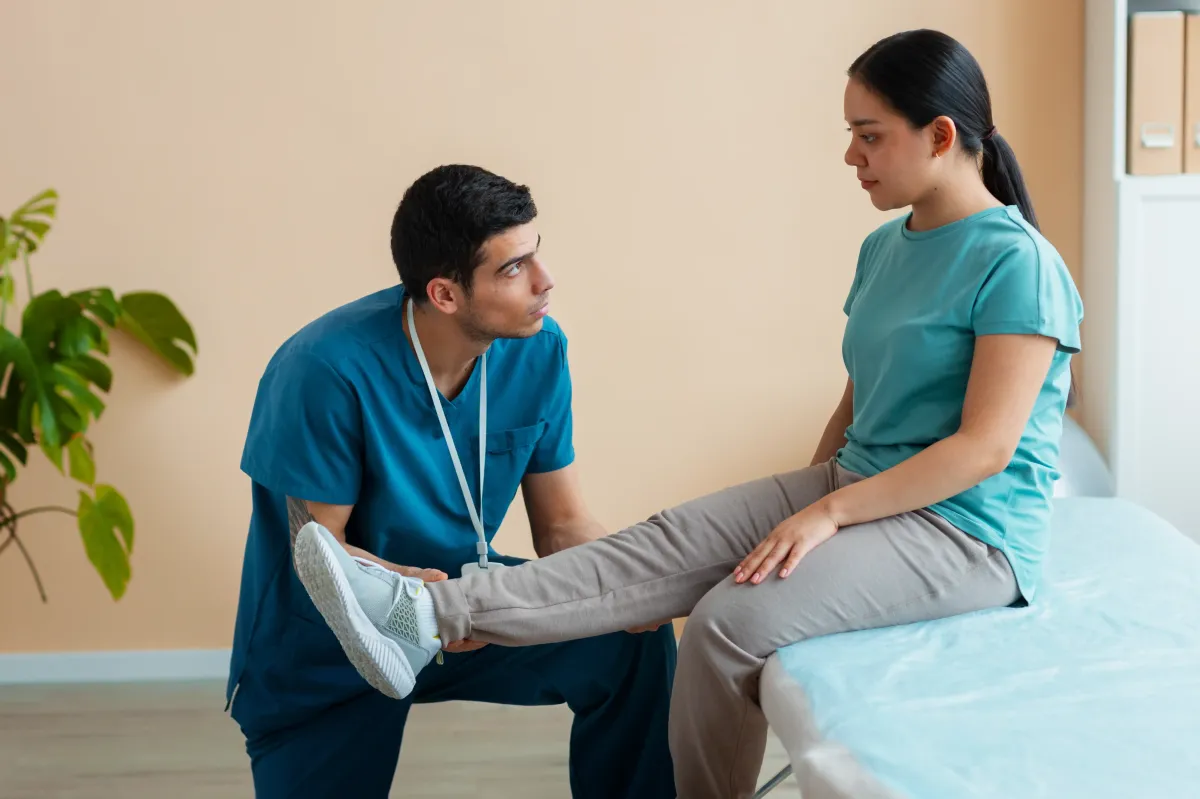
Post-surgical rehabilitation is a structured recovery program designed to restore movement, strength, and function after an operation. It usually begins in the hospital and continues on an outpatient basis once you return home.
No matter the type of surgery, your body goes through stress. Tissues are cut, muscles weaken from inactivity, and swelling or stiffness can limit movement. Without proper rehabilitation, these issues may linger longer than necessary. At Manhattan Physical Therapy, post-operative care focuses on:
Reducing pain and inflammation
Restoring joint mobility
Rebuilding muscle strength
Preventing complications such as blood clots or chest infections
Helping you return to work and daily activities safely
Rehabilitation is not a “one-size-fits-all” process. A knee replacement, rotator cuff repair, spinal surgery, or abdominal procedure all require different approaches.
Who Needs Post-Surgical Rehabilitation?
Most people benefit from rehabilitation after surgery, especially if they experience:
Pain or swelling
Stiffness or reduced range of motion
Muscle weakness
Poor balance or coordination
Difficulty walking or climbing stairs
Shortness of breath after thoracic or abdominal surgery
Fatigue and low exercise tolerance
Many patients seek post-surgical rehab after:
Orthopedic procedures such as joint replacements, ligament repairs, or fracture fixation
Spinal surgeries including discectomy or fusion
Cardiac and thoracic procedures
Abdominal surgeries involving the digestive system
Neurological surgeries affecting mobility or balance
Surgery affects both the body and the mind. It’s common to feel frustrated, anxious, or unsure about movement afterward. A structured rehabilitation plan provides guidance and reassurance, which can make a significant difference in recovery outcomes.
What Challenges Are Common After Surgery?
Even successful surgeries come with temporary setbacks. Understanding these challenges helps you approach recovery with realistic expectations.
1. Pain and Swelling
Pain is common after surgery, but it should gradually improve. Controlled movement and specific exercises often reduce pain more effectively than prolonged rest.
2. Muscle Weakness
Spending days or weeks with limited movement causes rapid muscle loss. Research shows that strength declines quickly after immobilization, especially in older adults. Rehabilitation helps reverse this safely.
3. Reduced Mobility
Scar tissue and joint stiffness can limit motion. Early, guided range-of-motion exercises help prevent long-term restriction.
4. Breathing Difficulties
After abdominal or thoracic surgery, shallow breathing is common due to discomfort. This can increase the risk of lung complications. Breathing exercises are essential in early recovery.
5. Circulatory Concerns
Limited movement increases the risk of deep vein thrombosis (DVT). Gentle mobility exercises and walking programs improve circulation and reduce risk.
6. Balance Problems
After orthopedic or neurological procedures, balance may be impaired. Targeted training reduces fall risk, which is especially important in busy NYC environments where sidewalks, stairs, and public transportation demand stability.
What Does the Post-Surgical Rehabilitation Timeline Look Like?
Recovery timelines vary depending on the procedure and individual health status. However, most programs follow a phased progression.
Immediate Phase (Days 1–7)
Goals: Protect the surgical site, manage pain, and begin gentle movement.
Guided breathing exercises
Assisted walking or mobility training
Gentle range-of-motion work
Education on safe positioning and precautions
This phase often starts in the hospital. Patients learn how to move safely, use assistive devices if needed, and perform basic exercises.
Early Phase (Weeks 1–4)
Goals: Improve mobility and begin rebuilding strength.
Progressive range-of-motion exercises
Light strengthening exercises
Swelling management
Basic functional training such as sitting, standing, and stair navigation
Intermediate Phase (Weeks 4–8)
Goals: Increase strength, endurance, and coordination.
Progressive resistance training
Balance and proprioception exercises
Gait retraining
Manual therapy to address stiffness
This stage focuses on restoring independence. Many patients begin returning to modified work duties or light daily activities.
Advanced Phase (Weeks 8–12 and Beyond)
Goals: Return to normal function and prevent future injury.
Functional strengthening tailored to work or sport
Movement pattern correction
Endurance training
Transition to an independent home exercise program
Some recoveries take several months, especially after major joint replacements or spinal procedures. Others progress more quickly. The key is consistent, supervised progression.
How Does Physical Therapy Support Recovery After Surgery?
Physical therapy is the foundation of most post-surgical rehabilitation programs. The goal is not simply to exercise the area that was operated on, but to restore how your entire body moves and functions. A skilled physical therapist evaluates:
Surgical precautions and tissue healing stage
Joint mobility and muscle strength
Swelling and scar mobility
Breathing mechanics
Gait and balance
Your work and lifestyle demands in NYC
Based on that assessment, a personalized plan is created.
Pain Management Without Overreliance on Medication
Pain after surgery is expected, but it should steadily improve. Physical therapy helps manage discomfort through:
Manual therapy to reduce stiffness
Controlled mobility exercises
Ice or heat when appropriate
Electrical stimulation (such as TENS)
Education on positioning and movement strategies
Restoring Mobility and Flexibility
Scar tissue can limit motion if not addressed early. Gentle, progressive range-of-motion work helps maintain joint health and prevent long-term stiffness. For example:
After shoulder surgery, restoring overhead reach is essential.
After knee surgery, regaining full extension is critical for walking normally.
After abdominal procedures, restoring trunk mobility helps breathing and posture.
Therapists guide mobility carefully to protect healing tissues while preventing unnecessary restriction.
What Treatments May Be Included in Your Program?
Post-surgical rehabilitation is not limited to exercise. A comprehensive plan may include several treatment approaches, depending on your needs.
Manual Therapy
Hands-on techniques help:
Reduce joint stiffness
Improve scar mobility
Decrease muscle tension
Enhance circulation
Scar tissue management is particularly important to prevent adhesions that limit movement.
Therapeutic Exercise
This forms the core of rehabilitation. Exercises may be:
Supervised in clinic
Prescribed as part of a home program
Progressively adjusted as healing advances
Consistency matters more than intensity. Steady progress leads to better long-term outcomes.
Modalities
When appropriate, therapists may use:
Ice or heat therapy
Electrical stimulation
Light or laser therapy
These tools support recovery but are typically combined with active rehabilitation.
Functional Training
Functional training prepares you for real-world tasks such as:
Climbing subway stairs
Carrying groceries
Returning to desk work or manual labor
Resuming recreational activities
This stage bridges the gap between basic strength and full independence.
Why Continuing Rehabilitation After Hospital Discharge Matters
Many patients feel better once they leave the hospital and assume recovery will happen naturally. While healing does occur over time, structured rehabilitation significantly improves outcomes. Ongoing therapy helps:
Prevent chronic stiffness
Reduce long-term weakness
Improve posture and movement patterns
Lower the risk of reinjury
Restore independence faster
Research consistently shows that guided rehabilitation improves functional outcomes after orthopedic and cardiac surgeries compared to minimal follow-up care.
What Other Professionals May Support Your Recovery?
Recovery after surgery is not only physical. A multidisciplinary approach can address all aspects of healing.
Occupational Therapy
If daily tasks such as dressing, cooking, or bathing are difficult, occupational therapy provides practical strategies and adaptations to improve independence.
Nutrition Support
Proper nutrition plays a direct role in tissue healing. Adequate protein intake and balanced nutrients support recovery, especially after major surgeries.
Mental Health Support
It is common to feel anxious, frustrated, or discouraged during recovery. Speaking with a counselor or psychologist can help you stay motivated and manage stress. A healthy mindset improves adherence to rehabilitation and overall outcomes.
Home Health Services
In some cases, short-term nursing support at home helps with medication management, wound care, and early mobility.
How Long Does Post-Surgical Rehabilitation Take?
There is no universal timeline.
Recovery may take:
A few weeks after minor procedures
Three to six months after major orthopedic surgery
Up to a year for complex spinal or neurological cases
Factors that influence recovery include:
Type of surgery
Age and general health
Pre-surgery fitness level
Commitment to therapy
Presence of complications
Some individuals may not return to 100 percent of their previous function. Setting realistic expectations early helps reduce frustration and keeps the focus on measurable progress.
Final Thoughts
Post-surgical rehabilitation is not a quick fix. It is a structured process that supports healing, restores strength, and helps prevent long-term complications.
Physical therapy plays a central role in this journey. Through guided exercises, hands-on care, and progressive functional training, you can move from early recovery to full participation in daily life.
If you’ve recently had surgery and want a safe, structured plan to recover faster, our team is here to help. Call Manhattan Physical Therapy at (212)-213-3480 to schedule your post-surgical rehabilitation consultation and start moving forward with confidence.
What Do They Say About Us?
Alexander Liu
"Everyone on the team at Manhattan Physical Therapy is super nice and caring. They were able to pretty quickly diagnose my knee and hip problems and immediately put me to work to reduce the pain.."
Henry Myerberg
"You're not just a patient when you come to the Manhattan Physical Therapy. You feel like family there. In particular, Erica with her colleagues John, Lidia and Joe not only fix and improve you physically, they make you feel welcomed and cared for.."
Hakyung Kim
"Everyone is so kind and helpful! my knee and hip pain have improved massively since starting Manhattan PT, highly recommend to anyone. special thanks to Bianca, Lidia, Joe, and John!"
Manhattan Physical Therapy
✆ Phone (appointments):
(212) 213-3480
Address: 385 5th Ave, Suite 503, New York, NY 10016


