

Physical Therapy for Trapezius Muscle Strain in NYC
Manhattan Physical Therapy
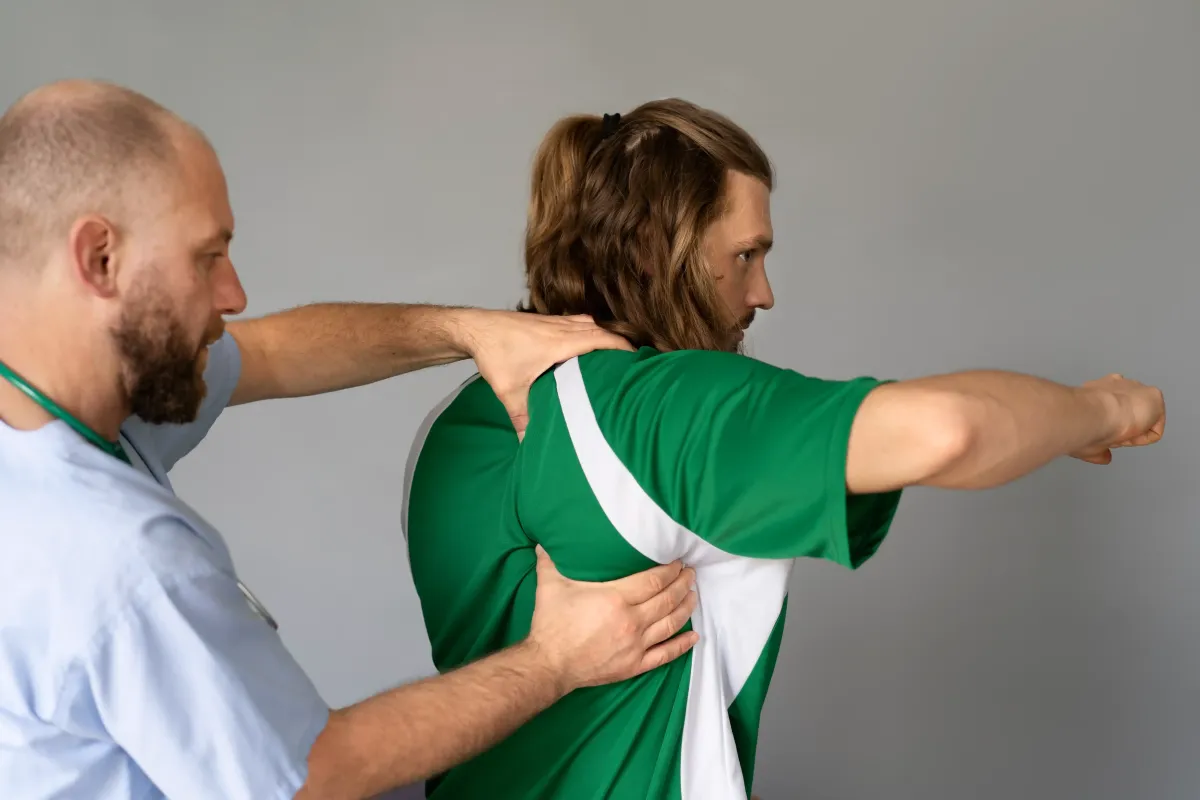
Trapezius muscle strain can cause sharp pain or tightness in the neck, shoulders, and upper back. In a busy city like New York, this injury often comes from carrying heavy bags, long hours at a desk, or sudden physical strain. Physical therapy can help reduce pain, restore movement, and prevent the strain from returning.
What Is a Trapezius Muscle Strain?
A trapezius strain happens when the muscle fibers are overstretched or torn. This can occur from a sudden injury or from repetitive overuse over time.
Types of Trapezius Strain
Strains are categorized by severity:
Grade I (mild):
Only a few muscle fibers are torn. You may feel tenderness but still have normal strength.
Grade II (moderate):
More fibers are damaged. You may notice swelling, bruising, and reduced strength.
Grade III (severe):
The muscle tears completely or detaches from the tendon. This often causes intense pain, swelling, and a noticeable gap or dent in the muscle.
What Causes a Trapezius Muscle Strain?
Trapezius strains in New York are often linked to lifestyle and work demands. Common causes include:
1. Sudden Trauma
A fall, accident, or impact during sports can overload the muscle instantly. Many people also strain the trapezius during weightlifting or contact sports.
2. Overuse and Poor Posture
Long hours at a desk, constant phone use, or carrying heavy bags can slowly overload the trapezius. This leads to irritation, tightness, and eventually a strain.
3. Repetitive Motion
Tasks like moving furniture, lifting heavy groceries, or performing repetitive arm movements can gradually damage the muscle over time.
What Are the Symptoms of a Trapezius Muscle Strain?
Symptoms can range from mild discomfort to severe pain depending on the injury grade. Common signs include:
Pain or tightness in the neck, shoulders, or upper back
Pain that worsens with movement and improves with rest
Swelling or bruising
Muscle spasms or cramping
Reduced strength or difficulty lifting the arm
A popping sensation at the time of injury
A visible gap or dent in the muscle (severe cases)
People often describe trapezius strain pain as a deep ache or sharp soreness between the shoulder blades and neck. This pain can also limit daily activities like reaching overhead, carrying bags, or even turning the head.
How Is a Trapezius Muscle Strain Diagnosed?
A healthcare professional can usually diagnose a trapezius strain through:
Medical history and symptoms
Physical examination
Strength and range of motion tests
For more severe injuries, additional imaging may be needed:
X-ray: Rules out fractures or dislocations
MRI: Detects muscle tears or complete ruptures
A complete muscle tear (Grade III) may require more intensive treatment or surgical evaluation. However, most trapezius strains can improve with targeted physical therapy.
Why Physical Therapy Works for Trapezius Strain
Physical therapy is one of the most effective treatments for trapezius strain because it focuses on:
Reducing pain and inflammation
Restoring proper movement
Strengthening weak muscles
Correcting posture
Preventing future injury
Essential Exercises for Trapezius Muscle Relief
These exercises are commonly used in physical therapy to improve strength and reduce tension. Start gently and progress slowly as your pain improves.
1. Shoulder Shrugs
How to do it:
Stand with feet shoulder-width apart
Lift shoulders toward your ears
Hold 5 seconds, then relax
Repeat 10–15 times
Benefit: Strengthens the upper trapezius and releases tension.
2. Neck Retractions
How to do it:
Sit or stand upright
Pull your head straight back (like making a double chin)
Hold 5 seconds, then release
Repeat 10 times
Benefit: Improves neck alignment and reduces forward-head posture.
3. Scapular Squeezes
How to do it:
Stand with arms at your sides
Squeeze shoulder blades together
Hold 5 seconds, then release
Repeat 10–15 times
Benefit: Strengthens the middle trapezius and improves posture.
4. Doorway Stretch
How to do it:
Stand in a doorway
Place arms on the frame at 90 degrees
Step forward slowly until you feel a stretch
Hold 20–30 seconds
Repeat 2–3 times
Benefit: Stretches chest muscles and releases shoulder tension.
5. Foam Roller Thoracic Extension
How to do it:
Lie on your back with a foam roller under the upper back
Support your head
Gently arch over the roller
Hold 5 seconds and return
Repeat 8–10 times
Benefit: Improves upper back mobility and reduces tightness.
6. Cat-Cow Stretch
How to do it:
Start on hands and knees
Inhale and arch your back (cow)
Exhale and round your back (cat)
Repeat for 1–2 minutes
Benefit: Increases spinal flexibility and reduces stiffness.
What to Avoid After a Trapezius Strain
Avoid movements that overload the trapezius during the healing phase:
Heavy lifting or overhead work
Repetitive shoulder movements
Sleeping on the injured side
Carrying heavy bags on one shoulder
Sudden neck twists or jerking motions
If you’re unsure whether an activity is safe, a physical therapist can guide you through a proper recovery plan.
When to Seek Medical Help
You should see a doctor or physical therapist if:
Pain is severe or getting worse
You notice swelling or bruising
You feel weakness or numbness
You cannot lift your arm
You notice a gap or dent in the muscle
Early treatment can prevent chronic pain and improve recovery time. Call us today at (212) 213-3480 to schedule an evaluation.
Frequently Asked Questions:
Can the trapezius cause headaches?
Yes. Tight or strained trapezius muscles can irritate nerves in the neck and shoulders, often leading to tension-type headaches or pain that radiates to the head.
What is the best sleeping position for trapezius pain?
Sleeping on your back or side with a supportive pillow that keeps your neck neutral helps reduce strain on the trapezius. Avoid stomach sleeping.
Why do shoulder strains take so long to heal?
Shoulders move constantly and have limited blood supply, which slows healing. Repetitive use can also re-irritate the injured muscle.
How do I know if my shoulder is torn or strained?
A strain usually causes soreness and mild weakness, while a tear often leads to sharp pain, significant weakness, or limited movement. Imaging confirms the difference.
Where is the trigger point for trapezius pain?
Common trigger points are along the upper trapezius, between the neck and shoulder, and near the shoulder blade, where tight knots often form.
What Do They Say About Us?
Alexander Liu
"Everyone on the team at Manhattan Physical Therapy is super nice and caring. They were able to pretty quickly diagnose my knee and hip problems and immediately put me to work to reduce the pain.."
Henry Myerberg
"You're not just a patient when you come to the Manhattan Physical Therapy. You feel like family there. In particular, Erica with her colleagues John, Lidia and Joe not only fix and improve you physically, they make you feel welcomed and cared for.."
Hakyung Kim
"Everyone is so kind and helpful! my knee and hip pain have improved massively since starting Manhattan PT, highly recommend to anyone. special thanks to Bianca, Lidia, Joe, and John!"
Manhattan Physical Therapy
✆ Phone (appointments):
(212) 213-3480
Address: 385 5th Ave, Suite 503, New York, NY 10016


