

Physical Therapy for Achilles Tendonitis in NYC
Manhattan Physical Therapy
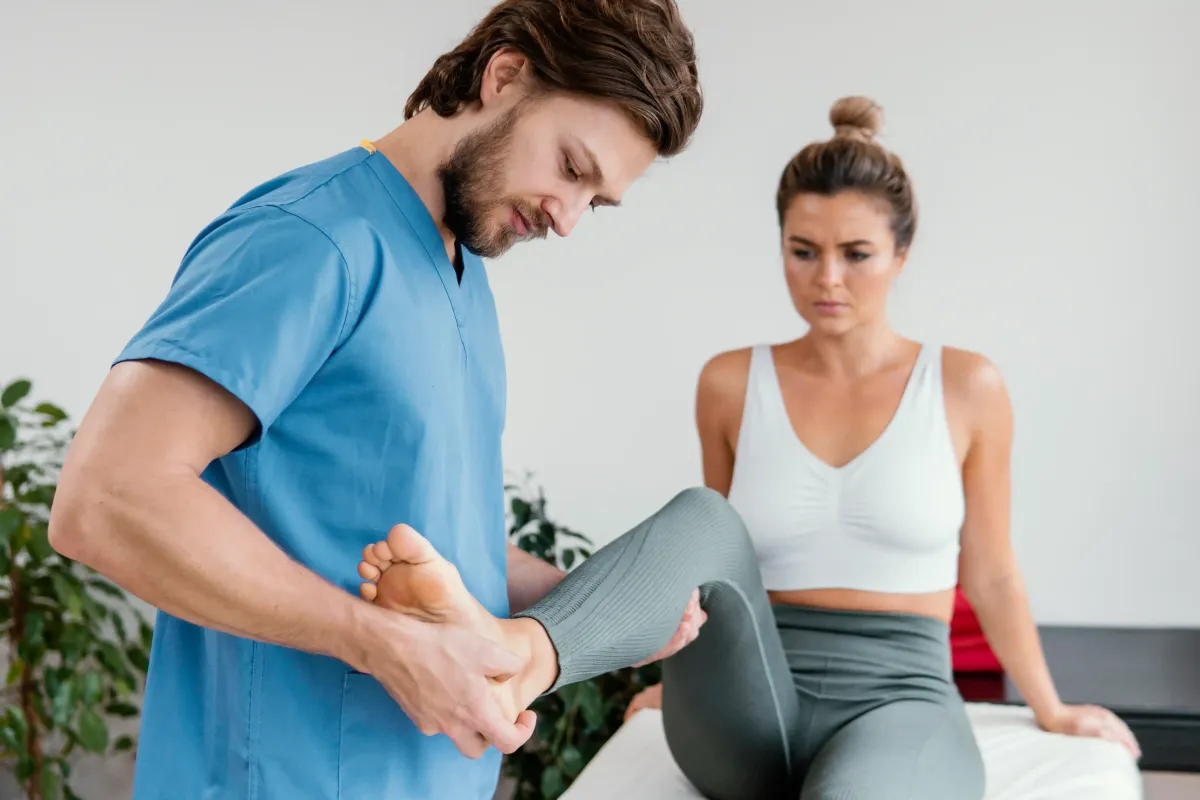
Achilles tendon pain can make simple movements like walking, climbing stairs, or getting out of bed uncomfortable. For runners, athletes, and active adults in New York City, the condition often develops gradually and worsens when ignored. Physical therapy can help reduce pain, improve mobility, and restore strength without relying on surgery in most cases.
What Is Achilles Tendonitis?
Achilles tendonitis, also called Achilles tendinopathy, is a condition involving irritation and breakdown of the Achilles tendon. This tendon connects the calf muscles to the heel bone and plays a major role in walking, running, jumping, and pushing off the foot during movement.
The condition develops when the tendon is exposed to more stress than it can tolerate. In many cases, this happens gradually from repetitive strain rather than a single injury. There are two common forms of Achilles tendinopathy:
Midportion Achilles Tendinopathy
This affects the middle section of the tendon, usually a few centimeters above the heel. It is more common in runners and physically active adults.
Insertional Achilles Tendinopathy
This occurs where the tendon attaches to the heel bone. Pain is usually felt directly at the back of the heel and may become worse with pressure from shoes or uphill walking.
Although many people use the term “Achilles tendonitis,” the condition is not always caused by inflammation alone. Long-term tendon pain often involves changes in the tendon structure, reduced load tolerance, and weakness in the surrounding muscles.
What Causes Achilles Tendon Pain?
Achilles tendon problems often develop from repeated stress combined with inadequate recovery. In a busy city like NYC, long walks, stair climbing, sports, and sudden increases in activity can overload the tendon over time. Several factors may contribute to Achilles tendonitis, including:
Sudden increase in running distance or workout intensity
Tight calf muscles
Weak calf or glute muscles
Poor foot mechanics
Limited ankle mobility
Wearing worn-out or unsupportive shoes
Running on hills or hard surfaces
Flat feet or very high arches
Standing for long periods
Returning to sports too quickly after inactivity
The condition is especially common in runners, basketball players, tennis players, gym-goers, and adults who stay active mainly on weekends.
What Are the Symptoms of Achilles Tendonitis?
Symptoms can range from mild stiffness to severe pain that limits walking and exercise. Most people notice discomfort gradually rather than suddenly. Common symptoms include:
Pain along the back of the heel or lower leg
Tenderness when touching the tendon
Morning stiffness in the ankle or calf
Pain during running, jumping, or stair climbing
Burning or aching after activity
Swelling around the tendon
Tightness in the calf muscles
Difficulty pushing off the foot
Pain that worsens after long periods of activity
Many people notice that the first few steps in the morning are especially painful. The tendon may loosen slightly with movement but become sore again later in the day.
Without proper treatment, Achilles tendonitis can become chronic and increase the risk of a tendon tear or rupture.
How Does Physical Therapy Help Achilles Tendonitis?
Physical therapy focuses on reducing stress on the tendon while rebuilding strength, mobility, and movement control. Treatment plans are customized based on the severity of symptoms, activity level, and underlying movement problems.
At Manhattan Physical Therapy, treatment begins with a detailed evaluation of the foot, ankle, calf, walking mechanics, and overall lower-body movement patterns.
Education and Activity Modification
Many patients continue activities that overload the tendon without realizing it. A physical therapist helps identify movements, training habits, or footwear choices that may be contributing to symptoms. You may receive guidance on:
Adjusting running or workout volume
Avoiding activities that increase tendon compression
Choosing supportive footwear
Modifying daily movement patterns
Gradually returning to sports safely
Pain Relief Strategies
Physical therapists may use several approaches to help calm irritated tissue and reduce discomfort, including:
Ice or heat recommendations
Heel lifts or wedges
Supportive taping techniques
Soft tissue treatment
Manual therapy for ankle mobility
For insertional Achilles pain, reducing excessive compression at the heel is especially important. Simple changes such as avoiding flat shoes or limiting barefoot walking may help reduce irritation.
Stretching and Mobility Work
Restricted ankle movement and calf tightness can increase strain on the Achilles tendon. Gentle mobility exercises and guided stretching may improve flexibility and reduce tension through the lower leg. Treatment may target:
Calf muscle flexibility
Ankle joint mobility
Foot mechanics
Hip and lower-extremity movement patterns
Strengthening Exercises
Progressive strengthening is one of the most important parts of Achilles tendon rehabilitation. Carefully loaded exercises help the tendon become stronger and more tolerant to activity over time.
Depending on symptoms, therapy may begin with lighter exercises before progressing to more advanced strengthening. Common exercises may include:
Seated calf strengthening
Resistance band exercises
Double-leg heel raises
Single-leg heel raises
Balance and stability drills
Functional loading exercises
What Happens During an Achilles Tendon Physical Therapy Evaluation?
A thorough evaluation helps identify both the source of pain and the factors contributing to tendon overload. Achilles tendon problems are not always caused by the tendon alone. Weakness, stiffness, poor movement patterns, or training errors can all play a role. During your visit, a physical therapist may assess:
Walking and running mechanics
Foot posture and ankle alignment
Calf flexibility and strength
Balance and stability
Hip and leg muscle control
Pain location and tendon tenderness
Range of motion in the ankle and foot
You may also be asked questions about:
Recent activity changes
Sports participation
Footwear
Training surfaces
Previous injuries
Work demands and daily activity levels
Imaging such as MRI or X-rays is not always necessary for diagnosing Achilles tendonitis. In many cases, symptoms and physical examination findings provide enough information to begin treatment.
Which Exercises Help Achilles Tendonitis?
Exercise is considered one of the most effective treatments for Achilles tendinopathy. The right program can improve tendon strength, reduce pain, and help restore normal movement.
Exercises are selected based on the stage of recovery, symptom severity, and whether the condition affects the middle portion of the tendon or the insertion near the heel. Common rehabilitation exercises may include:
Eccentric Heel Raises
These exercises slowly load the tendon while lowering the heel. They are commonly used for midportion Achilles tendinopathy and can help improve tendon capacity over time.
Isometric Calf Exercises
Isometric exercises involve holding muscle contractions without movement. These exercises may help reduce pain during the early stages of rehabilitation.
Balance and Stability Training
Poor balance and lower-body control can increase stress on the Achilles tendon. Stability exercises help improve coordination and reduce unnecessary strain during walking or sports.
Hip and Glute Strengthening
Weakness higher up the leg may affect how force travels through the ankle and foot. Strengthening the hips and glutes can improve overall movement mechanics.
Mobility Exercises
Gentle stretching and ankle mobility work may help reduce stiffness and improve movement quality. For insertional Achilles tendonitis, stretching must be approached carefully to avoid compressing the tendon against the heel bone.
How Long Does Achilles Tendonitis Take to Heal?
Recovery time varies depending on how long symptoms have been present, the severity of tendon irritation, and how consistently treatment recommendations are followed.
Some mild cases improve within several weeks, while long-standing tendon pain may take several months to fully recover. Several factors can affect healing time, including:
Continuing high-impact activity despite pain
Poor tendon loading tolerance
Inadequate recovery between activities
Calf weakness or stiffness
Previous Achilles injuries
Body weight and overall health
Achilles tendinopathy often responds best to gradual, progressive rehabilitation rather than complete rest. Staying active in a controlled way usually leads to better long-term outcomes.
When Should You See a Physical Therapist for Achilles Pain?
It is important to seek treatment early before symptoms become more severe. Persistent tendon pain can lead to weakness, limited mobility, and a higher risk of tendon rupture. You should consider seeing a physical therapist if you experience:
Achilles pain lasting more than a few days
Morning stiffness in the heel or calf
Pain during walking or exercise
Swelling around the tendon
Difficulty running or climbing stairs
Recurring Achilles discomfort during sports
What Makes Achilles Tendonitis Common in NYC?
New Yorkers place constant stress on their feet and lower legs. Long commutes, stair climbing, fast-paced walking, fitness classes, and recreational sports can all contribute to Achilles tendon overload.
People in NYC often continue daily activity despite pain because of demanding schedules and limited recovery time. This can cause symptoms to gradually worsen. Common lifestyle factors that may contribute include:
Walking long distances daily
Running on concrete surfaces
Rapid increases in workout intensity
Limited recovery between activities
Wearing unsupportive shoes
Sedentary work combined with intense weekend activity
Can Achilles Tendonitis Be Prevented?
Although not every injury can be avoided, several strategies may help reduce the risk of Achilles tendon pain returning. Prevention strategies include:
Gradually increasing activity levels
Replacing worn-out shoes
Improving calf and hip strength
Warming up before exercise
Maintaining ankle mobility
Avoiding sudden spikes in training intensity
Allowing enough recovery time between workouts
If Achilles tendon pain is limiting your mobility or keeping you from staying active, professional treatment may help you recover safely and reduce the risk of reinjury.
Call (212)-213-3480 to schedule an evaluation for Achilles tendonitis treatment in NYC.
What Do They Say About Us?
Alexander Liu
"Everyone on the team at Manhattan Physical Therapy is super nice and caring. They were able to pretty quickly diagnose my knee and hip problems and immediately put me to work to reduce the pain.."
Henry Myerberg
"You're not just a patient when you come to the Manhattan Physical Therapy. You feel like family there. In particular, Erica with her colleagues John, Lidia and Joe not only fix and improve you physically, they make you feel welcomed and cared for.."
Hakyung Kim
"Everyone is so kind and helpful! my knee and hip pain have improved massively since starting Manhattan PT, highly recommend to anyone. special thanks to Bianca, Lidia, Joe, and John!"
Manhattan Physical Therapy
✆ Phone (appointments):
(212) 213-3480
Address: 385 5th Ave, Suite 503, New York, NY 10016


