

Pectoralis Major Tears/Repairs in NYC
Manhattan Physical Therapy
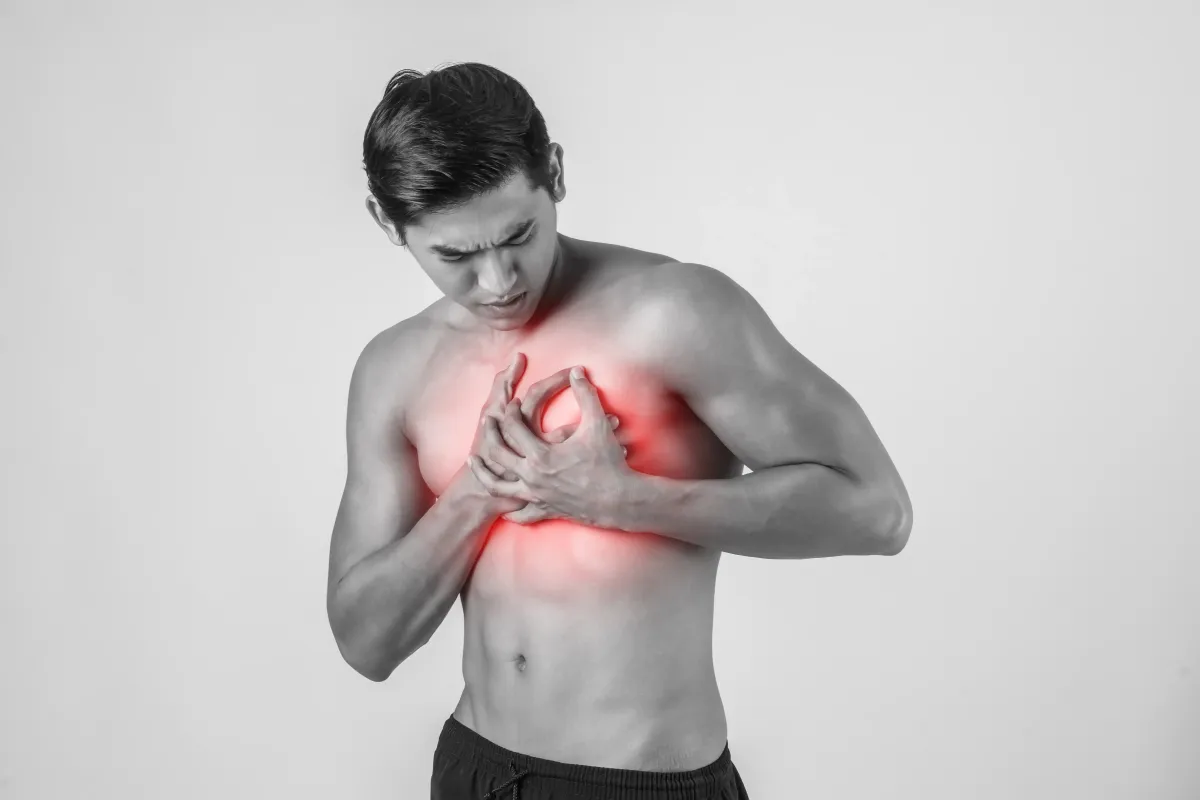
Chest injuries can be alarming, especially when they affect strength, appearance, and daily function. A pectoralis major tear is an uncommon but serious injury that often happens during heavy lifting or contact sports. In New York City, where many people stay active through gyms, recreational sports, and physically demanding work, this injury is being seen more often. Early evaluation and the right treatment plan play a major role in recovery and long-term shoulder function.
What Is the Pectoralis Major Muscle?
The pectoralis major is the large, fan-shaped muscle that forms the bulk of the chest. It stretches from the breastbone (sternum) and collarbone (clavicle) across the shoulder and attaches to the upper arm bone (humerus) through a strong tendon. This muscle is responsible for powerful movements such as bringing the arm toward the body, rotating it inward, and pushing actions like lifting, throwing, or performing a bench press.
Because the pectoralis major connects the chest wall to the shoulder and upper arm, it plays a key role in both strength and stability. It also helps maintain the natural contour of the chest and the front fold of the armpit. When this muscle or its tendon is torn, patients often notice not only pain and weakness but also visible changes in the shape of the chest or upper arm.
What Are Pectoralis Major Tears and Repairs?
A pectoralis major tear occurs when the muscle or, more commonly, the tendon that attaches it to the humerus is damaged. Most significant injuries involve a partial or complete rupture of the tendon near its insertion on the upper arm bone. Less commonly, the tear can occur where the muscle meets the tendon (the myotendinous junction) or within the muscle belly itself.
Pectoralis major repair refers to surgical reattachment of the torn tendon back to the humerus. This is typically recommended for complete or near-complete tears in active individuals who want to restore strength, shoulder function, and chest appearance. In NYC, timely diagnosis is especially important, as repairs performed within the first few weeks after injury tend to have more reliable outcomes than delayed surgery.
What Causes Pectoralis Major Tears?
Pectoralis major injuries most often happen during an eccentric contraction—when the muscle is contracting while being stretched. This commonly occurs when the arm is extended and rotated outward under heavy load. Bench pressing heavy weights is the most frequent cause, especially when pushing the bar up from a deeply lowered position. Other common causes include:
Chest press or pectoral fly exercises with excessive resistance
Contact sports such as football, rugby, or wrestling
Falls or direct trauma to the shoulder or chest
Sudden forceful movements during skiing or similar activities
Muscle imbalances, tightness, or weakness
Overtraining without adequate recovery
Men between the ages of 20 and 40 are most commonly affected. The risk may be higher in individuals using anabolic steroids, as these substances can weaken the tendon’s attachment to bone.
What Are the Symptoms of a Pectoralis Major Tear?
Symptoms usually appear suddenly at the time of injury. Many patients report a sharp pain in the chest or upper arm and may feel or hear a “pop.” Bruising often develops within the first 24 hours and can spread across the chest and into the upper arm. Common symptoms include:
Pain in the chest, shoulder, or upper arm
Visible bruising or swelling
Loss of strength when pushing or bringing the arm inward
A noticeable change in chest shape or loss of the front armpit fold
Dimpling or a hollow appearance near the armpit
Difficulty performing daily activities that require pushing or lifting
In NYC, where quick return to work, fitness, or sport is often a priority, these symptoms should be evaluated promptly. A thorough physical examination and appropriate imaging help determine whether non-surgical care or surgical repair is the best option.
How Are Pectoralis Major Tears Diagnosed?
Diagnosis begins with a detailed clinical examination. An experienced clinician can often suspect a pectoralis major tear based on the injury history and visible physical changes. Key findings may include asymmetry of the chest, loss of the normal front fold of the armpit, bruising, swelling, and weakness with pushing or inward arm rotation.
Imaging is used to confirm the diagnosis and define the severity and exact location of the tear:
Ultrasound can be helpful when performed by a skilled provider and may quickly identify tendon disruption.
MRI of the chest and upper arm is the gold standard. It clearly shows whether the tear is partial or complete, where it is located (tendon, muscle-tendon junction, or muscle belly), and how far the tendon has retracted.
Treatment Options for Pectoralis Major Tears
Treatment depends on the type of tear, the patient’s activity level, cosmetic concerns, and overall health.
Non-Surgical Treatment
Non-surgical care may be appropriate for:
Partial tears
Tears within the muscle belly
Older or low-demand patients
This approach typically includes:
Rest and activity modification
Short-term immobilization
Ice and anti-inflammatory medication
A structured physical therapy program focused on restoring motion, strength, and shoulder stability
While pain may improve, non-surgical treatment can result in lasting weakness or cosmetic changes in complete tendon ruptures.
Surgical Treatment
Surgery is usually recommended for:
Complete or near-complete tendon ruptures
Active individuals who want to regain strength
Patients concerned about chest deformity
Early surgical repair—ideally within the first few weeks after injury—offers the best chance for restoring function and appearance. Delayed repairs become more difficult due to tendon retraction and scarring, and outcomes are less predictable.
What Does Pectoralis Major Repair Surgery Involve?
Pectoralis major repair is performed in the operating room under anesthesia. The patient lies on their back, and a small incision is made near the upper arm and armpit area. The surgeon identifies the torn tendon, frees it from scar tissue, and reattaches it to its original location on the humerus. Common fixation methods include:
Suture anchors
Bone tunnels
Cortical buttons or screws
Strong sutures are used to secure the tendon to the bone. In chronic or severe cases, a tendon graft may be needed, though this is less common. Once the repair is complete, the incision is closed and covered with sterile dressings.
Post-Surgical Recovery and Rehabilitation
After surgery, the arm is placed in a sling for approximately four to six weeks to protect the repair. During this phase, gentle pendulum exercises may be started under guidance. Rehabilitation progresses in stages:
0–6 weeks: Immobilization with limited passive motion
6–12 weeks: Gradual return of active motion
3–4 months: Introduction of light resistance and strengthening
Around 6 months: Return to sports, heavy lifting, and full activity
Physical therapy is a critical part of recovery, helping restore strength, coordination, and confidence in the shoulder. Most patients can expect a strong functional recovery, although the muscle may never be quite as strong as it was before the injury.
Risks and Potential Complications
As with any surgery, pectoralis major repair carries some risks, including:
Infection
Bleeding or hematoma
Shoulder stiffness
Nerve or blood vessel injury
Re-rupture or failure of the repair
Blood clots
Reactions to anesthesia
Overall, surgical repair has a high success rate when performed early and followed by proper rehabilitation. If you’re experiencing chest or shoulder pain, bruising, or weakness after an injury, call Manhattan Physical Therapy at (212)-213-3480 today to schedule your evaluation and start your recovery.
What Do They Say About Us?
Alexander Liu
"Everyone on the team at Manhattan Physical Therapy is super nice and caring. They were able to pretty quickly diagnose my knee and hip problems and immediately put me to work to reduce the pain.."
Henry Myerberg
"You're not just a patient when you come to the Manhattan Physical Therapy. You feel like family there. In particular, Erica with her colleagues John, Lidia and Joe not only fix and improve you physically, they make you feel welcomed and cared for.."
Hakyung Kim
"Everyone is so kind and helpful! my knee and hip pain have improved massively since starting Manhattan PT, highly recommend to anyone. special thanks to Bianca, Lidia, Joe, and John!"
Manhattan Physical Therapy
✆ Phone (appointments):
(212) 213-3480
Address: 385 5th Ave, Suite 503, New York, NY 10016


