

Muscle Tension and Stiffness Relief in 10 Minutes
Manhattan Physical Therapy
What Muscle Tension and Stiffness Really Mean
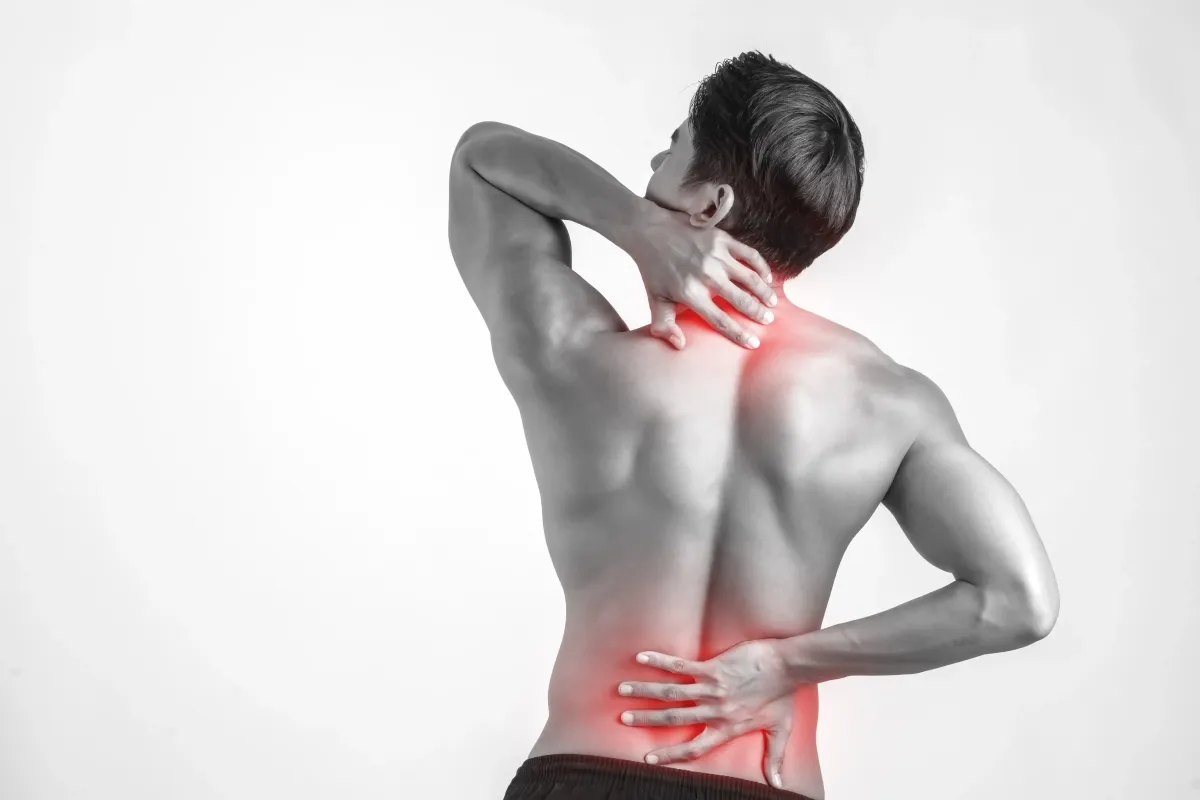
Muscle stiffness is that tight, cramped, sometimes achy feeling that makes normal movement feel harder than it should. It often shows up after long hours at a desk, a tough workout, poor sleep, or travel. In most cases, it is not dangerous and settles with simple care.
Tension builds when muscles stay contracted for too long. Sitting with rounded shoulders, gripping a steering wheel in traffic, or training hard without proper recovery all keep muscles switched “on.” Over time, blood flow drops, waste products build up, and the muscle feels tight or sore.
For most people, muscle stiffness improves with movement, stretching, heat, and better daily habits. It becomes a concern when it comes with symptoms like fever, swelling, weakness, or severe neck stiffness. Those signs deserve medical attention. Otherwise, the goal is not rest alone, but smart movement and quick recovery strategies you can use every day.
Why Busy People Feel Stiff Even When They Exercise
A common mistake is assuming stiffness only comes from being inactive. In reality, many active people feel just as tight, sometimes more.
Mental stress and physical stress affect the body the same way. Deadlines, poor sleep, and constant screen time raise muscle tone through the nervous system. Add intense workouts on top of that, and muscles never fully relax. This is why your shoulders feel hard after meetings, or your lower back tightens during presentations.
Lower back stiffness, in particular, is often linked to limited movement in the hips, glutes, and hamstrings rather than the spine itself. When those areas stop moving well, the back takes on extra load and responds by tightening.
The key takeaway is simple. Muscle tension is often a signal, not a failure. Your body is asking for better circulation, controlled movement, and a brief reset.
When Muscle Stiffness Is Normal and When It Is Not
Most stiffness is short term and improves within a day or two. You may notice it after exercise, long travel, or poor sleep. That is normal. Pay closer attention if you notice:
Morning stiffness that lasts longer than 20 minutes
Reduced range of motion during everyday movements
Headaches that start at the base of the skull
Ongoing fatigue in muscles despite rest days
Sharp pain during simple movements
Red flags include fever, swelling, muscle weakness, numbness, or neck stiffness that limits movement. These are uncommon, but they should be checked by a healthcare provider.
The 10-Minute Reset That Actually Works
Relieving muscle tension does not require long routines or expensive equipment. What matters is choosing methods that improve movement, calm the nervous system, and restore blood flow quickly. An effective 10-minute routine combines four elements:
Gentle dynamic movement to restore motion
Targeted release for tight muscle areas
Breathing to reduce stress-driven muscle tone
Short mobility work for hips and spine
This approach is supported by physical therapy principles and commonly used in lower back mobility routines. Instead of holding long static stretches, you move smoothly through pain-free ranges. This tells the nervous system it is safe to relax.
Fast, Proven Techniques You Can Use Anywhere
These methods are practical, evidence-based, and realistic for people who do not have time for long recovery sessions. You can mix and match them depending on where you are and how your body feels.
Self-Myofascial Release (5 minutes)
Foam rolling or using a ball helps release tight areas by improving blood flow and reducing sensitivity in overworked muscles. Focus on areas that commonly hold tension:
Upper back and shoulders after desk work
Glutes and hips after long sitting
Quads, hamstrings, and calves after training
Move slowly. When you find a tender spot, pause and breathe until it softens. Avoid rolling directly on joints or the lower spine.
Progressive Muscle Relaxation (3 to 5 minutes)
This is one of the fastest ways to calm muscle tension driven by stress.
Gently tense one muscle group for five seconds
Release for ten seconds
Move from feet upward to shoulders and neck
This contrast teaches your nervous system the difference between tension and relaxation, which helps muscles let go more fully.
Dynamic Stretching Over Static Stretching
Short, controlled movements work better than long holds when time is limited. Arm swings, hip circles, gentle torso twists, and leg swings improve mobility without making muscles feel weaker or overstretched.
Breathing and Mobility: The Missing Link
Many people stretch daily but still feel stiff. The reason is breathing. Shallow chest breathing keeps the body in a low-level stress state. Slow, controlled breathing reduces muscle tone and improves movement quality. A simple breathing reset:
Inhale through your nose for four seconds
Hold for four seconds
Exhale slowly for four seconds
Hold for four seconds
Repeat five cycles.
Combine this with mobility work for the hips and spine. Lower back stiffness often improves when hips move better. Gentle spinal movements like cat-cow, seated rotations, and knee-to-chest motions help restore natural motion without strain.
Heat, Cold, and Hands-On Tools
Temperature and pressure are powerful tools when used correctly.
Heat and Cold Contrast
Alternating heat and cold improves circulation and reduces lingering tightness.
Heat for two minutes to relax muscles
Cold for thirty seconds to reduce sensitivity
Repeat three rounds, ending with cold.
This works well after workouts or long workdays.
Percussion and Massage Tools
Massage guns and handheld tools help release stubborn tension quickly.
Use light pressure for the neck and shoulders
Medium pressure for hips, thighs, and calves
Short sessions of 20 to 45 seconds per area
More pressure is not better. The goal is relaxation, not bruising.
Preventing Muscle Tension Before It Starts
Relief matters, but prevention saves time and energy. Key habits that reduce stiffness:
Stand up and move every 30 to 45 minutes
Adjust your desk so screens are at eye level
Warm up before workouts and cool down after
Stay hydrated, especially on training days
Wear supportive footwear during exercise
Nutrition also plays a role. Dehydration increases muscle soreness and stiffness. Calcium and magnesium support normal muscle function and are best obtained through a balanced diet that includes leafy greens, nuts, seeds, dairy, and fortified foods.
When to Seek Professional Help
Occasional stiffness is normal. Persistent tension is not. Consider professional care if you notice:
Pain lasting more than two weeks
Weakness, numbness, or tingling
Stiffness that disrupts sleep
Reduced performance at work or in the gym
Muscle tension and stiffness are not signs of weakness. They are signals. Your body is asking for movement, circulation, and recovery. If muscle stiffness or ongoing tension is starting to affect your work, workouts, or daily comfort, you do not have to manage it alone. A personalized physical therapy plan can address the root cause and help you move better, faster, and with less pain.
Call Manhattan Physical Therapy today at (212)-213-3480 to schedule an appointment and get expert guidance tailored to your body and lifestyle. Early care can make a real
What Do They Say About Us?
Alexander Liu
"Everyone on the team at Manhattan Physical Therapy is super nice and caring. They were able to pretty quickly diagnose my knee and hip problems and immediately put me to work to reduce the pain.."
Henry Myerberg
"You're not just a patient when you come to the Manhattan Physical Therapy. You feel like family there. In particular, Erica with her colleagues John, Lidia and Joe not only fix and improve you physically, they make you feel welcomed and cared for.."
Hakyung Kim
"Everyone is so kind and helpful! my knee and hip pain have improved massively since starting Manhattan PT, highly recommend to anyone. special thanks to Bianca, Lidia, Joe, and John!"
Manhattan Physical Therapy
✆ Phone (appointments):
(212) 213-3480
Address: 385 5th Ave, Suite 503, New York, NY 10016


