

L5-S1 Disc Bulge: Causes, Symptoms, and Treatments
Manhattan Physical Therapy
What Is an L5-S1 Disc Bulge?
An L5-S1 disc bulge occurs when the spinal disc between the fifth lumbar vertebra (L5) and the first sacral vertebra (S1) extends beyond its normal boundary. This doesn’t always mean the disc has ruptured, but the outward pressure can irritate or compress nearby nerve roots.
This level is especially important because it sits at the base of your spine, where most of your body weight and movement stress are concentrated. When a bulge develops here, it can affect the sciatic nerve, leading to pain that travels from the lower back down into the leg.
Not every disc bulge causes symptoms. Some people have mild bulging without pain. But when nerves are involved, symptoms can become noticeable and sometimes disruptive to daily life.
What Is the Lumbar Spine and Why Does It Matter
The lumbar spine refers to your lower back. It is made up of five vertebrae labeled L1 to L5, sitting between the upper spine and the sacrum. These vertebrae are larger than the others because they carry most of your body weight.
Between each vertebra is a disc that acts like a cushion. These discs absorb shock and allow smooth movement when you bend, twist, or lift. Each disc has:
A soft, gel-like center (nucleus pulposus)
A tough outer ring (annulus fibrosus)
The lumbar spine also has a natural inward curve, which helps distribute pressure evenly. But this same flexibility and load-bearing role make it more prone to wear and tear over time.
At the lower end of the lumbar spine, nerve roots branch out and travel down the legs. This is why problems in this region, especially at L5-S1, often cause symptoms beyond just back pain.
Why the L5-S1 Segment Is So Vulnerable
The L5-S1 segment is where the lumbar spine meets the sacrum. This junction handles a significant amount of mechanical stress during everyday activities like sitting, standing, lifting, and bending.
Because of this constant load, the disc at L5-S1 is one of the most commonly affected areas in the spine. Several factors make it more vulnerable:
It supports upper body weight
It allows a wide range of motion
It absorbs repeated stress over time
When the disc begins to weaken, the outer layer may start to bulge outward. If the bulge presses on nearby nerves, it can trigger symptoms such as lower back pain, stiffness, or radiating leg pain.
What Causes an L5-S1 Disc Bulge?
An L5-S1 disc bulge usually develops gradually rather than from a single event. It often results from a combination of factors that weaken the disc over time. Here are the most common causes:
1. Age-Related Degeneration
As you get older, spinal discs lose water content and elasticity. This makes them less flexible and more prone to bulging under pressure.
2. Repetitive Stress
Frequent bending, lifting, or twisting can place continuous strain on the lower back. Over time, this weakens the disc structure.
3. Poor Posture
Sitting for long hours with improper posture increases pressure on the L5-S1 disc. This is especially common in desk jobs or prolonged screen use.
4. Improper Lifting Techniques
Lifting heavy objects without proper form shifts stress onto the lower spine, increasing the risk of disc damage.
5. Excess Body Weight
Carrying extra weight adds pressure to the lumbar spine, accelerating wear and tear on the discs.
6. Injury or Trauma
Falls, sudden impacts, or sports injuries can damage the disc and lead to bulging.
7. Lifestyle Factors
Smoking and low physical activity levels can reduce blood supply and slow down disc repair, making degeneration more likely.
What Are the Symptoms of an L5-S1 Disc Bulge?
Symptoms vary depending on how much the disc is pressing on nearby nerves. Some people feel mild discomfort, while others experience more persistent or radiating pain.
Common symptoms include:
Lower Back Pain
A dull or sharp pain in the lower back is often the first sign. It may worsen with sitting, bending, or lifting.
Sciatica (Radiating Leg Pain)
Pain that travels from the lower back down through the buttock and into the leg is a key indicator. This happens when the sciatic nerve is irritated.
Numbness and Tingling
You may feel “pins and needles” in the leg, foot, or toes. This usually follows the path of the affected nerve.
Muscle Weakness
Weakness in the leg or foot can make walking, climbing stairs, or standing for long periods more difficult.
Difficulty Standing or Walking
Prolonged standing or walking may increase discomfort, forcing you to sit or change positions frequently.
In more severe cases, symptoms can interfere with balance, coordination, and daily activities. If symptoms suddenly worsen or involve loss of bladder or bowel control, urgent medical attention is needed.
How Is an L5-S1 Disc Bulge Diagnosed?
A proper diagnosis focuses on confirming the source of pain and ruling out other conditions that may mimic similar symptoms.
1. Physical Examination
A clinician evaluates your posture, range of motion, and nerve function. Simple tests can reveal nerve irritation or muscle weakness.
2. MRI (Magnetic Resonance Imaging)
This is the most useful test for disc issues. It shows the exact location and severity of the bulge and whether nerves are affected.
3. X-rays
X-rays don’t show discs directly but help assess spinal alignment, joint health, and rule out fractures or structural problems.
4. Neurological Assessment
Reflexes, sensation, and muscle strength are tested to identify nerve involvement.
Accurate diagnosis matters because not all lower back pain comes from a disc bulge. Treatment should always match the underlying cause.
L5-S1 Disc Bulge Treatment Options
Most people improve without surgery. The goal is to reduce pain, relieve nerve pressure, and restore normal movement.
Non-Surgical Treatments (First-Line Care)
Physical Therapy and Exercise
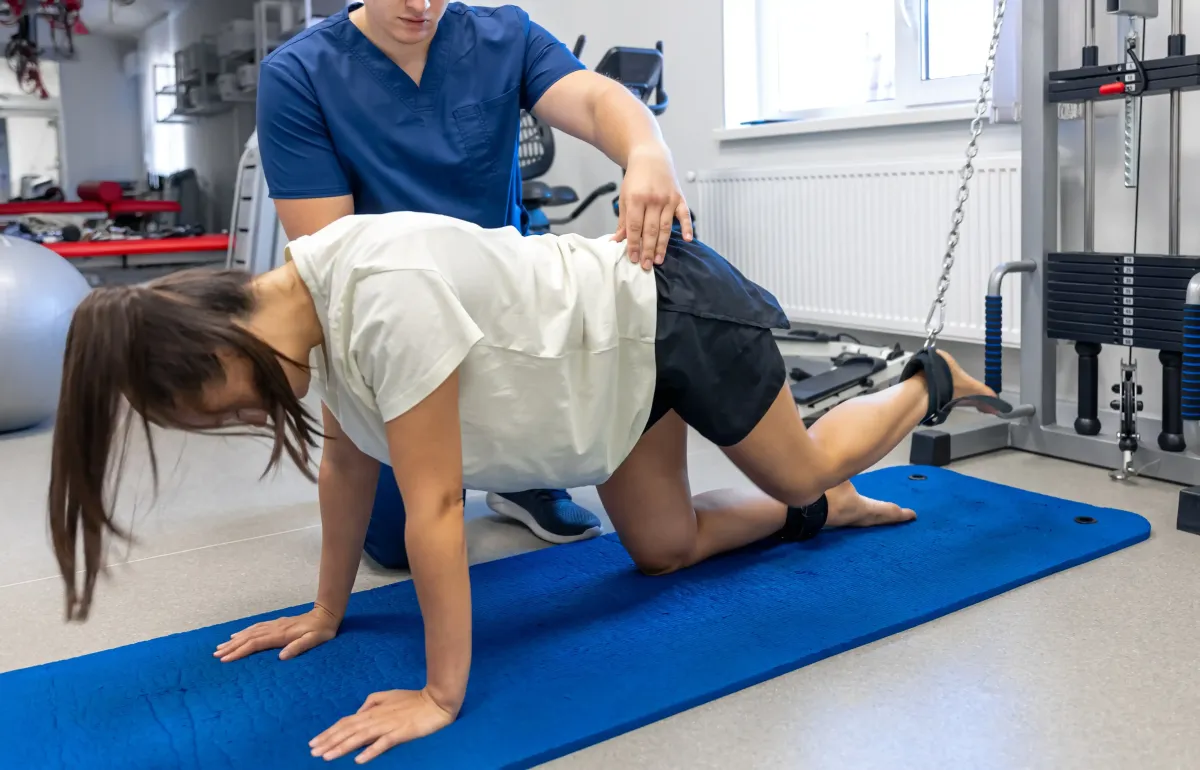
A structured program helps strengthen core muscles, improve posture, and reduce pressure on the disc. Exercises like pelvic tilts, gentle stretches, and stabilization work are commonly used.
Pain Management
Anti-inflammatory medications may help reduce swelling
Heat and cold therapy can ease muscle tension
Activity modification prevents further irritation
Lifestyle Adjustments
Small changes often make a big difference:
Avoid prolonged sitting
Use proper lifting techniques
Maintain a healthy weight
Stay active with low-impact exercises like walking or swimming
Injection-Based Treatments
When pain persists, targeted injections may help reduce inflammation and support healing:
Epidural Steroid Injections (ESIs)
Deliver anti-inflammatory medication near the affected nerve to reduce irritation and pain.
Facet Joint Injections
Useful when pain also involves nearby joints in the spine.
Platelet-Rich Plasma (PRP) Therapy
Uses your body’s own healing factors to support tissue repair and reduce inflammation.
Prolotherapy
Stimulates healing in ligaments that support the spine, improving stability over time.
These options are typically considered when basic treatments don’t provide enough relief.
When Is Surgery Needed?
Surgery is usually the last option, not the first. It may be recommended if:
Pain is severe and ongoing despite conservative care
There is significant nerve compression
Weakness or loss of function is progressing
Common surgical procedures include:
Microdiscectomy
Removes the part of the disc pressing on the nerve.
Endoscopic Discectomy
A minimally invasive approach using small instruments and faster recovery time.
Spinal Fusion
Used in more complex cases to stabilize the spine, though it limits movement at that segment.
Most patients don’t need surgery, especially when treatment starts early and is consistent.
L5-S1 Disc Bulge vs Herniated Disc
These terms are often confused, but they are not the same.
Disc Bulge: The disc pushes outward but the outer layer remains intact
Herniated Disc: The inner material breaks through the outer layer
A herniated disc is generally more severe and more likely to cause nerve compression. However, both conditions can produce similar symptoms like pain, numbness, and weakness.
How to Manage an L5-S1 Disc Bulge Without Surgery
For many people, long-term relief comes from consistent, practical habits rather than quick fixes.
Focus on movement, not rest
Too much bed rest can slow recovery. Gentle movement helps maintain flexibility and blood flow.
Build core strength
Strong abdominal and back muscles reduce strain on the spine.
Fix daily habits
Posture, sitting time, and lifting technique matter more than most people realize.
Stay consistent with therapy
Skipping exercises or stopping treatment early often leads to recurring pain.
Final Thoughts
An L5-S1 disc bulge can be painful, but it’s also manageable in most cases. The key is early recognition, the right diagnosis, and a structured treatment plan.
If your pain is affecting your daily routine, getting a proper evaluation can help you avoid unnecessary procedures and focus on what actually works. Our team at Manhattan Physical Therapy offers targeted, non-surgical solutions to help you move comfortably again. Call (212)-213-3480 to get started.
What Do They Say About Us?
Alexander Liu
"Everyone on the team at Manhattan Physical Therapy is super nice and caring. They were able to pretty quickly diagnose my knee and hip problems and immediately put me to work to reduce the pain.."
Henry Myerberg
"You're not just a patient when you come to the Manhattan Physical Therapy. You feel like family there. In particular, Erica with her colleagues John, Lidia and Joe not only fix and improve you physically, they make you feel welcomed and cared for.."
Hakyung Kim
"Everyone is so kind and helpful! my knee and hip pain have improved massively since starting Manhattan PT, highly recommend to anyone. special thanks to Bianca, Lidia, Joe, and John!"
Manhattan Physical Therapy
✆ Phone (appointments):
(212) 213-3480
Address: 385 5th Ave, Suite 503, New York, NY 10016


