

Jammed vs. Broken Finger: How Can You Tell?
Manhattan Physical Therapy
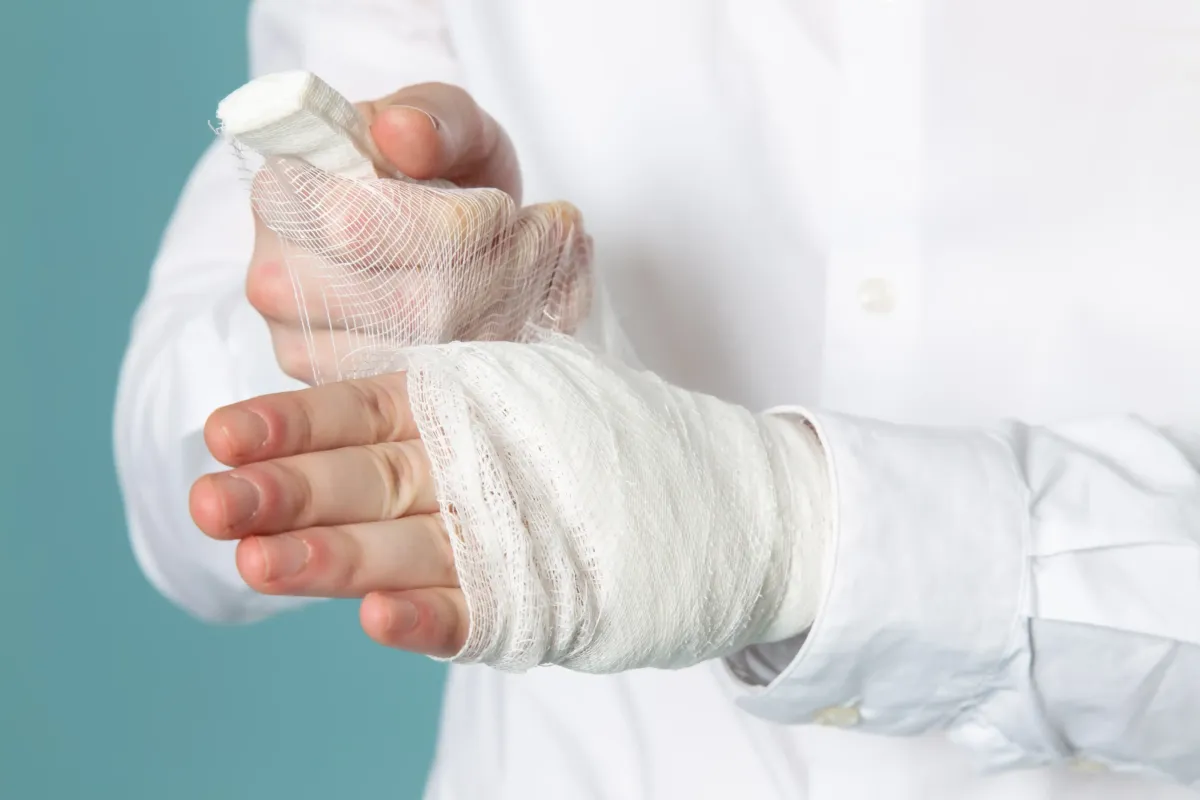
Fingers are incredibly prone to injuries, especially during sports, accidents, or even everyday activities. A sudden hit, a slammed door, or catching a ball wrong can leave you with pain, swelling, or limited movement. While a jammed finger is common, sometimes the injury can be more serious, like a fracture. Understanding the differences is crucial so you can take the right steps toward healing.
What Is a Jammed Finger?
A jammed finger occurs when one of the joints is hit with force, stretching or partially tearing the ligaments that hold the finger together. The bones themselves remain intact. While the pain can be sharp, the finger often retains some mobility, and swelling or redness may appear around the joint.
Most jammed fingers heal without surgery, though the severity can vary. Mild sprains usually improve within a week or two with rest, ice, and gentle protection. More severe sprains, especially those where the ligament is fully torn, may require medical evaluation or even splinting.
What Is a Broken Finger?
A broken finger, or fracture, occurs when one of the bones in the finger cracks or breaks completely. Unlike a jammed finger, a fracture can result in severe pain, limited motion, or a visibly deformed finger. Swelling, bruising, numbness, or tingling may also accompany the injury.
Treatment depends on the type and severity of the fracture. Some fractures may heal with simple buddy-taping or splinting, while others may require surgical repair to ensure proper alignment and restore full function. X-rays are essential to confirm the fracture and guide treatment.
Key Differences Between a Jammed and Broken Finger
A jammed finger usually causes mild to moderate pain, and you can often still bend it without too much difficulty. Swelling and redness may appear, but these symptoms typically improve within a few days. Deformity is uncommon, and most jammed fingers can be managed at home with rest, ice, and buddy taping, with surgery rarely needed. The ligaments in a jammed finger are stretched or partially torn, but the bones remain intact.
In contrast, a broken finger often brings severe, sharp, and persistent pain. The finger may be difficult or impossible to bend, and swelling and redness tend to be more extensive and long-lasting. Deformity is common, with the finger sometimes appearing crooked or misshapen.
Treatment usually requires medical intervention, which can include splinting or, in some cases, surgery. While the ligaments may remain intact or be injured depending on the type of fracture, the bones are cracked, displaced, or shattered. Recognizing these differences early can make a significant difference in recovery and help prevent long-term complications.
Anatomy of the Finger and Why Injuries Occur
Each finger is made up of three joints supported by ligaments, called collateral ligaments. When you jam your finger, one of these ligaments is usually sprained. In severe cases, the ligament may tear completely, sometimes causing partial dislocation of the joint.
Broken fingers typically happen when a bone receives a strong force, such as slamming a door, falling on your hand, or getting hit by a ball. Because fingers are small and delicate, even minor trauma can cause a fracture, and proper evaluation is essential to prevent long-term damage.
Signs and Symptoms of a Jammed Finger
Even though jammed fingers don’t involve broken bones, they can be very painful and should not be ignored. Common signs include:
Pain around the joint, especially when bending or straightening the finger
Redness and swelling that may last for a few days or weeks
Difficulty fully extending the finger
A feeling of weakness or instability in the finger
The severity of a jammed finger can vary. First-degree sprains involve stretched ligaments with mild swelling, second-degree sprains have partially torn ligaments with more pain and limited motion, and third-degree sprains may include a completely torn ligament or partial dislocation, sometimes requiring surgery.
Signs and Symptoms of a Broken Finger
Broken fingers are usually more obvious and often require immediate medical attention. Watch for:
Intense, sharp pain that does not improve with rest
Swelling that persists or spreads to other parts of the hand
Bruising or discoloration around the joint
Deformity or crooked appearance of the finger
Limited motion, stiffness, numbness, or tingling
In severe cases, visible bone through the skin
At-Home Care Before Seeing a Doctor
If you suspect your finger is broken, schedule medical care promptly. While waiting:
Don’t try to straighten or push a bone back; this can worsen the injury.
Remove rings or jewelry to prevent circulation issues.
Stabilize the finger with a splint (popsicle stick, pen, or cardboard) or buddy-tape it to the adjacent finger, padding lightly.
Apply ice wrapped in a cloth for 15–20 minutes at a time to reduce swelling.
Elevate the hand above heart level to limit swelling.
Control bleeding gently if present, without pressing on exposed bone.
Take pain relief like ibuprofen if safe for you.
Keep the finger still and avoid using it until evaluated by a professional.
When to See a Doctor
Prompt medical evaluation is essential in several situations:
Persistent or worsening pain and swelling
Inability to bend or move the finger
Visible deformity or misalignment
Numbness, tingling, or severe bruising
Open wounds exposing bone
A doctor will often order X-rays to determine if a fracture is present and identify its type. Treatment may range from buddy taping or splinting to surgery, depending on the severity. Untreated fractures can lead to permanent deformities, joint stiffness, arthritis, or long-term pain.
Preventing Finger Injuries
While accidents can’t always be avoided, simple steps can reduce the risk:
Warm up before sports or physical activity
Use protective gloves when handling tools
Practice proper catching and gripping techniques in sports
Avoid slamming doors or putting fingers in pinch points
Schedule Your Finger Evaluation at Manhattan Physical Therapy
At Manhattan Physical Therapy, we want you to get back to full use of your hands and fingers as quickly and safely as possible. Whether you’re dealing with a jammed or broken finger, our team is here to help.
Our therapists will carefully assess your finger, checking strength, sensation, and range of motion. While X-rays are essential for detecting fractures, soft tissue injuries like ligament or tendon strains may not show up on imaging — our hands-on evaluation ensures nothing is missed.
If you suspect a broken finger or need guidance for a jammed finger, don’t wait to get care. Call us today at (212) 213-3480 to schedule your appointment.
What Do They Say About Us?
Alexander Liu
"Everyone on the team at Manhattan Physical Therapy is super nice and caring. They were able to pretty quickly diagnose my knee and hip problems and immediately put me to work to reduce the pain.."
Henry Myerberg
"You're not just a patient when you come to the Manhattan Physical Therapy. You feel like family there. In particular, Erica with her colleagues John, Lidia and Joe not only fix and improve you physically, they make you feel welcomed and cared for.."
Hakyung Kim
"Everyone is so kind and helpful! my knee and hip pain have improved massively since starting Manhattan PT, highly recommend to anyone. special thanks to Bianca, Lidia, Joe, and John!"
Manhattan Physical Therapy
✆ Phone (appointments):
(212) 213-3480
Address: 385 5th Ave, Suite 503, New York, NY 10016


