

How Often Should I Do Cupping Therapy?
Manhattan Physical Therapy
What Is Cupping Therapy and Why Do People Use It?
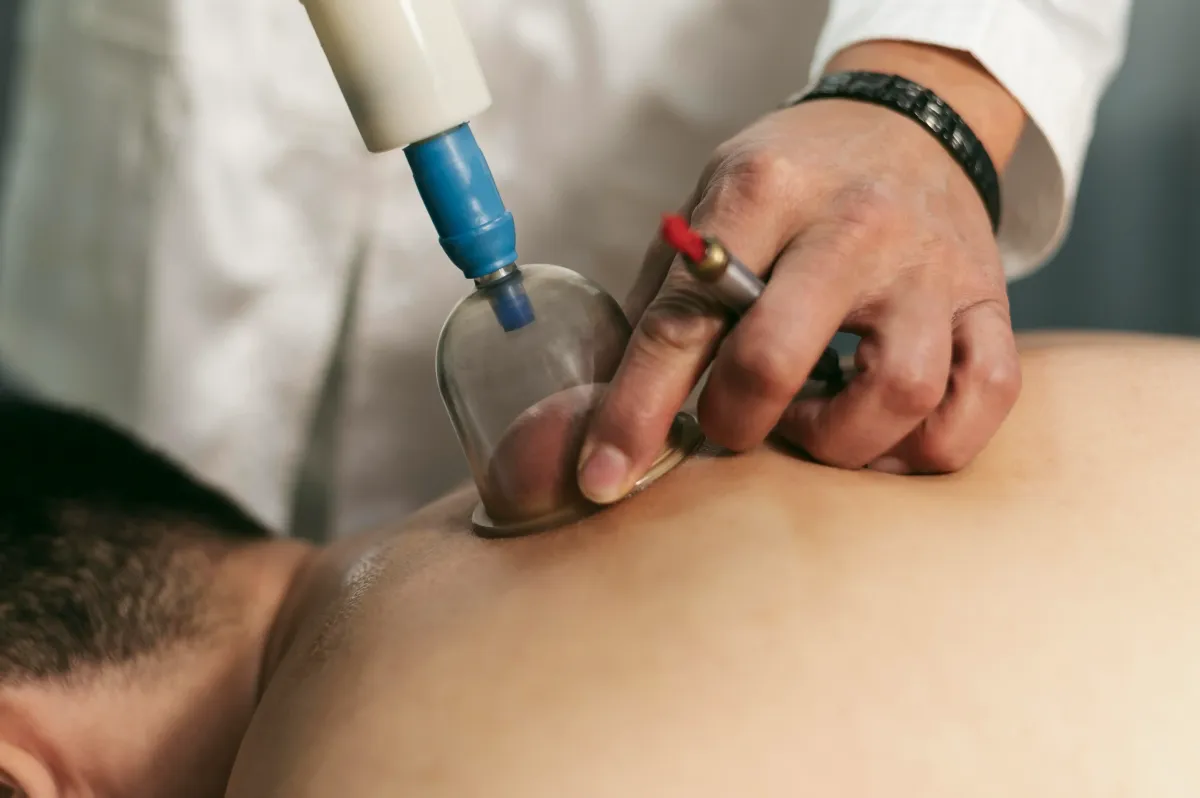
Cupping therapy is a hands-on treatment where a trained provider places specialized cups on the skin to create gentle suction. This suction draws blood toward the surface, helping improve local circulation, ease muscle tightness, and support the body’s natural healing process.
People commonly choose cupping therapy for muscle pain, joint stiffness, sports recovery, stress relief, and mobility issues. Clinical and sports-medicine research suggests that increased blood flow and fascial decompression may help reduce pain sensitivity and improve short-term function, especially when combined with movement-based therapy.
There are several approaches, including dry cupping, wet cupping, and fire cupping. In modern clinical settings, dry cupping is most commonly used because it is safe, controlled, and effective for musculoskeletal conditions.
What Factors Determine How Often You Should Do Cupping Therapy?
There is no one-size-fits-all schedule for cupping therapy. How often you should go depends largely on your body and your goals.
Your reason for seeking cupping matters first. Pain relief and injury recovery usually require closer sessions, while general wellness or relaxation benefits from more spacing. Athletic needs may also change based on training load and competition timing.
Whether your symptoms are new or long-standing also makes a difference. Recent injuries often respond faster and may need short-term, more frequent care. Chronic pain typically improves with consistent but moderate scheduling.
Your overall health and how your tissues respond after treatment are just as important. Skin sensitivity, circulation, and recovery speed influence how much time your body needs between sessions.
The technique used and professional guidance also shape frequency. Different cupping methods stress tissues differently, and a trained therapist can adjust your schedule based on how you respond, helping you get results without unnecessary strain.
How Often Is Cupping Therapy Recommended for Pain or Injury?
For pain-related concerns, frequency usually depends on whether the condition is short-term or ongoing:
Acute pain or recent injury:
Short-term conditions may benefit from cupping 2–3 times per week for a limited period. This helps reduce muscle guarding, improve circulation, and support early healing. Sessions are typically reduced once symptoms calm down.
Chronic pain or stiffness:
Long-standing conditions often respond better to weekly or bi-weekly sessions. Consistency matters more than intensity, especially for issues like back pain, neck tension, or repetitive strain injuries.
Evidence from rehabilitation studies suggests that spacing treatments too far apart during flare-ups may slow progress, while overly frequent sessions can cause unnecessary soreness.
How Often Should You Do Cupping for Wellness or Stress Relief?
If your goal is maintenance rather than pain management, less frequent sessions are usually effective:
General wellness and muscle maintenance:
Many people find that once every 3–4 weeks helps maintain flexibility, reduce stress-related tension, and support overall movement quality.
High-stress periods or seasonal changes:
During times of increased physical or mental stress, slightly increasing frequency may help prevent tightness from turning into pain.
Listening to your body is essential. Mild circular marks are normal and usually fade within days, but persistent soreness or fatigue may signal the need for longer recovery time between sessions.
How Often Should Athletes Do Cupping Therapy?
Athletes place higher demands on their muscles and connective tissues, so cupping frequency often changes based on training cycles.
During intense training phases:
Many athletes benefit from cupping 1–2 times per week to reduce muscle stiffness, support circulation, and maintain mobility. This can be especially helpful for runners, weightlifters, and field-sport athletes who experience repetitive loading.
Before competition:
Short-term increases to 2–3 sessions per week are sometimes used in the lead-up to major events. The goal is not aggressive treatment, but improved tissue movement and faster recovery between workouts.
After competition or heavy training:
Post-event cupping is typically spaced at once per week to ease soreness and support recovery without overstimulating already fatigued tissues.
Sports medicine literature suggests cupping may help with perceived muscle soreness and recovery when paired with proper rest, hydration, and active recovery.
How Do You Know If You’re Doing Cupping Too Often?
More is not always better. Your body gives clear signals when the frequency needs adjustment.
Signs you may need to space sessions farther apart include:
Bruising that lasts longer than 10–14 days
Increased soreness instead of relief
Dizziness or fatigue after sessions
Sensitivity or irritation in the same treatment area
Mild soreness or temporary marks are normal, but lingering discomfort is not. When this happens, reducing frequency or adjusting technique usually resolves the issue.
Why Listening to Your Body Matters More Than a Fixed Schedule
Cupping therapy works best when it supports your natural healing response. Two people with the same diagnosis may need completely different treatment intervals based on tissue response, activity level, and recovery ability.
Research on manual therapy emphasizes individualized care over rigid protocols. Progress is often measured by improved movement, reduced pain intensity, better sleep, and faster recovery—not by how many sessions are completed. Tracking how you feel 24–48 hours after each session can help your provider fine-tune the plan.
When Should You Consult a Professional Before Starting Cupping Therapy?
Before beginning cupping therapy—or changing how often you receive it—it’s wise to consult a licensed healthcare provider or trained cupping therapist, especially if you have:
Circulatory or clotting disorders
Skin conditions or delayed healing
Diabetes or nerve sensitivity
Recent surgery or active inflammation
A qualified professional can determine safe frequency, combine cupping with corrective exercises, and adjust treatment as your condition improves.
What Is the Best Long-Term Cupping Schedule for Most People?
For most individuals, cupping therapy works best as part of a broader care plan rather than a stand-alone solution.
Short-term pain or injury: More frequent sessions early, then tapering
Chronic conditions: Consistent, moderate frequency
Wellness and prevention: Monthly or as-needed care
This approach aligns with current rehabilitation and integrative care research, which supports phased treatment rather than ongoing high-frequency sessions.
Ready to Decide the Right Cupping Frequency for You?
If muscle tightness, pain, or slow recovery is affecting your daily life or performance, a personalized cupping therapy plan can make a meaningful difference. Working with a skilled provider ensures the frequency matches your body, goals, and lifestyle—without unnecessary treatment.
Booking a professional evaluation is the safest way to determine how often cupping therapy will help you feel and move better, whether your goal is pain relief, recovery, or long-term physical wellness.
What Do They Say About Us?
Alexander Liu
"Everyone on the team at Manhattan Physical Therapy is super nice and caring. They were able to pretty quickly diagnose my knee and hip problems and immediately put me to work to reduce the pain.."
Henry Myerberg
"You're not just a patient when you come to the Manhattan Physical Therapy. You feel like family there. In particular, Erica with her colleagues John, Lidia and Joe not only fix and improve you physically, they make you feel welcomed and cared for.."
Hakyung Kim
"Everyone is so kind and helpful! my knee and hip pain have improved massively since starting Manhattan PT, highly recommend to anyone. special thanks to Bianca, Lidia, Joe, and John!"
Manhattan Physical Therapy
✆ Phone (appointments):
(212) 213-3480
Address: 385 5th Ave, Suite 503, New York, NY 10016


