

How Acupuncture Can Help With Pinched Nerves
Manhattan Physical Therapy
What Is a Pinched Nerve and Why Does It Happen?
A pinched nerve happens when surrounding tissues put too much pressure on a nerve. This pressure can come from muscles, tendons, cartilage, or bones, and it interferes with how the nerve functions.
You can develop a pinched nerve in different parts of the body, but the most common areas include the neck, lower back, and wrist. Conditions like herniated discs, poor posture, repetitive strain, or even sleeping in an awkward position can all lead to nerve compression. Symptoms vary depending on the location, but most people notice:
Sharp, burning, or radiating pain
Tingling or “pins and needles” sensations
Numbness in the affected area
Muscle weakness
A feeling like a limb has “fallen asleep”
For example, a pinched nerve in the lower back may send pain down the leg, while one in the wrist can affect your hand and fingers. Left untreated, symptoms can linger or worsen, which is why early care matters.
Why Consider Acupuncture for a Pinched Nerve?
When pain doesn’t go away with rest or basic care, many people start looking for options beyond medication. That’s where acupuncture comes in.
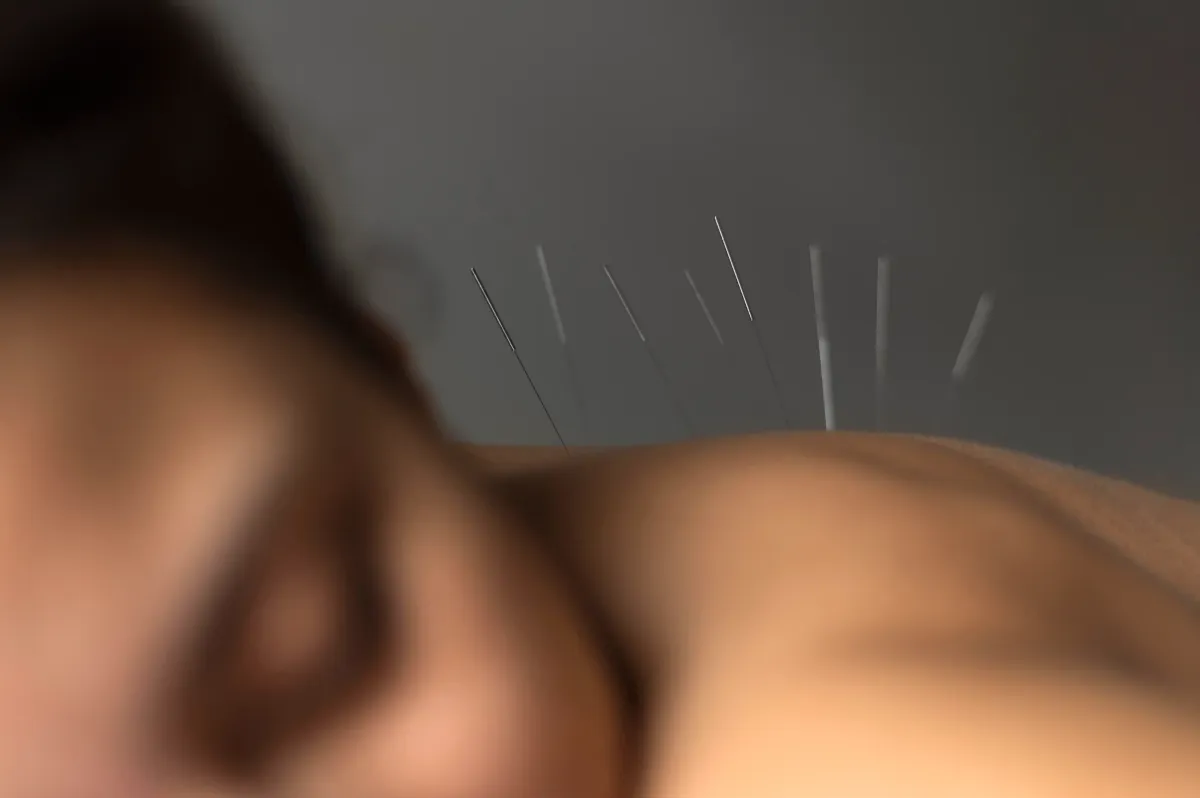
Acupuncture is a time-tested therapy that uses very thin needles placed at specific points on the body. These points are chosen based on your symptoms and the underlying cause of the nerve irritation. Instead of just masking pain, acupuncture focuses on helping your body recover. It works by:
Stimulating the nervous system
Encouraging natural pain relief through endorphin release
Improving circulation in the affected area
Supporting the body’s healing response
Many patients choose acupuncture because it’s non-invasive and doesn’t rely on medication. It can also be used alongside treatments like physical therapy, chiropractic care, or massage, making it a flexible option for different recovery plans.
How Acupuncture Helps Relieve Pinched Nerve Pain
Acupuncture targets both the symptoms and the root cause of nerve compression. That’s what makes it different from quick-fix approaches.
Here’s how it helps:
1. Reduces Pain Naturally
Acupuncture stimulates the release of endorphins, which are the body’s natural painkillers. This helps lower pain levels without the side effects often linked to medication.
2. Improves Blood Flow
Better circulation means more oxygen and nutrients reach the irritated nerve. This helps reduce swelling and supports faster healing.
3. Relaxes Tight Muscles
Muscle tension is a major contributor to pinched nerves. Acupuncture helps loosen tight muscles, which can relieve pressure on the nerve.
4. Lowers Inflammation
Inflammation often makes nerve pain worse. Acupuncture helps regulate the body’s inflammatory response, easing irritation around the nerve.
5. Supports Nerve Function
By stimulating specific points, acupuncture may help “wake up” irritated nerves and improve how they communicate with the brain.
Over time, these effects work together to reduce discomfort and improve mobility.
What Are the Benefits of Acupuncture for Pinched Nerves?
Acupuncture offers more than just short-term relief. Many patients notice broader improvements in how they feel and mo
ve.
Some of the key benefits include:
Less reliance on pain medication
Reduced pain and stiffness
Better range of motion
Improved sleep and relaxation
Faster recovery when combined with other therapies
Another advantage is how well acupuncture fits into a combined treatment plan. When used alongside physical therapy or chiropractic care, it can enhance overall results by addressing both structural issues and soft tissue tension.
For people dealing with ongoing or recurring nerve pain, this kind of integrated approach often leads to more lasting relief.
Which Acupuncture Points Are Used for Pinched Nerves?
Acupuncture treatment is never one-size-fits-all. The points used will depend on where your symptoms are and what’s causing the nerve compression. That said, practitioners often focus on a mix of local and distant points:
Local points are placed near the affected area to directly reduce pain and inflammation. For example, points along the spine may be used for back-related nerve pain.
Huatuojiaji points (located along the spine) are commonly used to support nerve function and relieve pressure in spinal conditions.
Distal points such as LI4 (hand) and ST36 (leg) are used to improve circulation, reduce inflammation, and support overall healing.
Is Acupuncture Safe for Pinched Nerves?
When performed by a licensed and trained practitioner, acupuncture is considered very safe. Most people tolerate it well, and side effects are usually mild and temporary. These may include:
Slight soreness at the needle site
Minor bruising
A feeling of fatigue or deep relaxation after the session
Serious complications are rare, especially when sterile needles and proper techniques are used.
However, it’s important to share your medical history before starting treatment. If you are pregnant, have a bleeding disorder, or use a pacemaker, your practitioner may adjust the treatment plan to keep things safe.
What to Expect During an Acupuncture Session
If you’ve never had acupuncture before, it’s normal to feel unsure. The experience is much more comfortable than most people expect.
Here’s how a typical session works:
Initial Consultation
Your practitioner will ask about your symptoms, lifestyle, and medical history. This helps them understand what’s causing your pinched nerve.
Treatment Setup
You’ll lie down in a comfortable position while the targeted areas are prepared.
Needle Placement
Very thin, sterile needles are inserted into specific points on your body. You might feel a quick pinch, followed by a tingling or warm sensation.
Relaxation Phase
The needles usually stay in place for about 20 to 45 minutes. Many people feel deeply relaxed during this time.
After the Session
You may notice immediate relief, or gradual improvement over the next few hours. Some people feel calm and energized at the same time.
How Many Acupuncture Sessions Do You Need?
The number of sessions depends on how severe your symptoms are and how long you’ve had them.
Mild cases may improve within 3 to 5 sessions
Moderate conditions often need 6 to 10 sessions
Chronic or severe cases may require ongoing care over several weeks or months
At the start, sessions are usually scheduled once or twice a week. As your symptoms improve, visits may become less frequent.
When Should You Try Acupuncture for a Pinched Nerve?
You don’t have to wait until the pain becomes severe. Acupuncture can be helpful if:
Your pain isn’t improving with rest
You’re experiencing numbness or tingling regularly
Movement feels restricted or uncomfortable
You want to avoid or reduce medication use
Your symptoms are starting to affect daily activities
It can also be a strong option if you’re dealing with related conditions like sciatica, carpal tunnel syndrome, or disc issues. The earlier you address the problem, the easier it is to manage.
Can Acupuncture Be Combined With Other Treatments?
Yes, and in many cases, that’s where it works best.
A combined approach often includes:
Physical therapy to improve strength and mobility
Chiropractic care to address alignment issues
Massage therapy to release muscle tension
Acupuncture complements these treatments by reducing pain, improving circulation, and helping your body recover more efficiently.
Instead of focusing on just one part of the problem, this approach looks at the full picture.
Can Acupuncture Be Combined With Other Treatments?
Progress doesn’t always happen overnight, but there are clear signs to look for.
You may notice:
Reduced pain intensity or frequency
Less tingling or numbness
Improved movement and flexibility
Better sleep
Increased energy levels
Keeping track of your symptoms can help you see gradual improvements over time.
Ready to Get Relief From Pinched Nerve Pain?
If you’re struggling with nerve pain that isn’t improving, it may be time to try a different approach. Acupuncture can help you manage pain naturally and support long-term recovery.
Call (212)-213-3480 today to schedule your consultation and start your personalized treatment plan.
What Do They Say About Us?
Alexander Liu
"Everyone on the team at Manhattan Physical Therapy is super nice and caring. They were able to pretty quickly diagnose my knee and hip problems and immediately put me to work to reduce the pain.."
Henry Myerberg
"You're not just a patient when you come to the Manhattan Physical Therapy. You feel like family there. In particular, Erica with her colleagues John, Lidia and Joe not only fix and improve you physically, they make you feel welcomed and cared for.."
Hakyung Kim
"Everyone is so kind and helpful! my knee and hip pain have improved massively since starting Manhattan PT, highly recommend to anyone. special thanks to Bianca, Lidia, Joe, and John!"
Manhattan Physical Therapy
✆ Phone (appointments):
(212) 213-3480
Address: 385 5th Ave, Suite 503, New York, NY 10016


