

Hip Labral Tear Recovery Without Surgery in NYC
Manhattan Physical Therapy
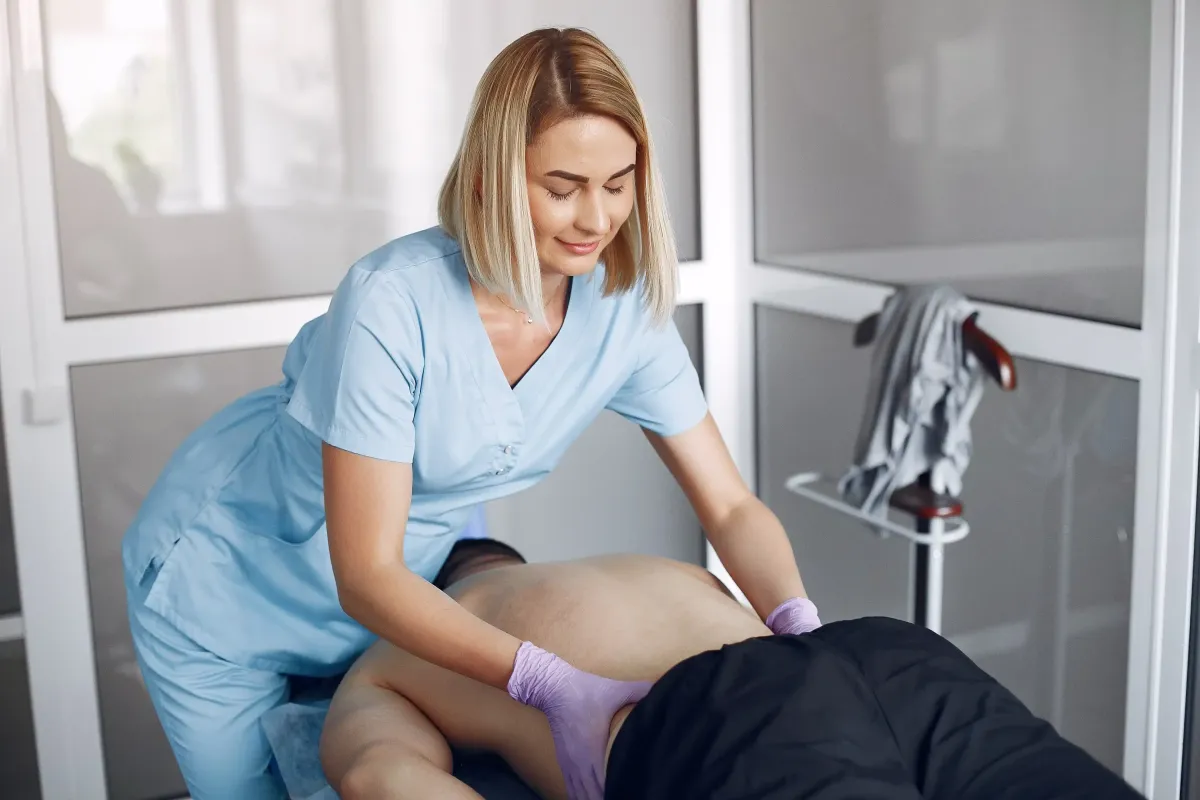
Hip pain that doesn’t go away can quietly limit how you move, sit, and even sleep. A hip labral tear is one of the more common reasons behind that kind of persistent discomfort, especially in active adults. The good news is that many people recover without surgery when the right treatment plan is in place.
At Manhattan Physical Therapy, non-surgical care focuses on reducing pain, improving stability, and helping you get back to normal movement safely.
What Is a Hip Labral Tear and Why Does It Matter?
The hip is a ball-and-socket joint. The ball (top of the thigh bone) fits into the socket (acetabulum). Around that socket sits the labrum, a ring of strong cartilage that helps keep the joint stable and allows smooth movement. When the labrum tears, that seal is disrupted. This can lead to:
Poor joint stability
Increased friction inside the hip
Pain with everyday movements
Labral tears can happen from a single injury, but more often they develop over time due to repetitive stress, structural issues, or movement imbalances.
Not every labral tear causes symptoms. Some people have small tears and don’t feel anything. Others deal with ongoing pain and limited mobility that affects daily life.
What Are the Common Symptoms of a Hip Labral Tear?
Symptoms can vary depending on the severity of the tear and your activity level. In many cases, the discomfort builds gradually rather than starting suddenly. Common signs include:
Deep pain in the hip or groin
A catching, locking, or clicking sensation
Stiffness or reduced range of motion
Pain when sitting for long periods
Discomfort with twisting, pivoting, or squatting
A feeling of instability or weakness in the hip
Some people also notice pain spreading to the lower back, buttock, or thigh. Activities like getting in and out of a car or crossing your legs can become uncomfortable.
Because these symptoms overlap with other conditions, a proper evaluation is important before starting treatment.
What Causes a Hip Labral Tear?
There isn’t just one cause. Most labral tears are the result of a combination of stress, movement patterns, and joint structure.
Here are the most common factors:
Repetitive movements
Sports or activities that involve frequent hip rotation, such as running, dancing, or cycling, can gradually wear down the labrum.
Structural issues
Conditions like femoroacetabular impingement (FAI) can create abnormal contact in the joint, increasing stress on the labrum over time.
Acute injury
A fall, sudden twist, or impact can cause a tear, especially during sports.
Muscle imbalances
Weakness in the glutes, core, or surrounding muscles can shift extra load onto the hip joint.
Poor movement mechanics
Faulty posture or movement patterns can lead to repeated strain on the same area.
Understanding the underlying cause matters. Treating the tear without addressing the root issue often leads to recurring symptoms.
Can a Hip Labral Tear Heal Without Surgery?
In many cases, yes, symptoms can be managed successfully without surgery.
It’s important to be clear about one thing: the labrum itself has limited blood supply, so it doesn’t “heal” the same way a muscle or skin would. But that doesn’t mean you’re stuck with pain. With the right approach, you can:
Reduce inflammation and irritation
Improve joint stability
Strengthen supporting muscles
Restore normal movement patterns
Many patients become pain-free or significantly improve through conservative care alone.
Non-surgical treatment is usually recommended when:
The tear is mild to moderate
Pain is manageable
There’s no major structural damage requiring repair
You prefer to avoid surgery
Surgery is typically considered only when symptoms persist despite consistent, well-guided treatment.
What Are the Best Non-Surgical Treatments for Hip Labral Tears?
A structured, non-surgical plan can make a real difference when it’s tailored to your symptoms, lifestyle, and movement patterns. The goal isn’t just pain relief. It’s restoring how your hip functions so the problem doesn’t keep coming back. Here’s what that typically includes:
Activity modification
You don’t have to stop moving, but you do need to avoid positions that irritate the hip. This often means limiting deep squats, prolonged sitting, or high-impact activities for a short period.
Pain management
Over-the-counter anti-inflammatory medications like Ibuprofen may help reduce pain and inflammation. These should be used cautiously and ideally under medical guidance, especially if you have other health conditions.
Heat and ice therapy
Ice helps calm inflammation after activity
Heat helps relax tight muscles before movement
Used correctly, both can make daily symptoms more manageable.
Corticosteroid injections
In some cases, injections are used to reduce inflammation inside the joint. They can provide temporary relief, which allows you to participate more effectively in physical therapy. However, they’re not a long-term solution.
Platelet-rich plasma (PRP) therapy
PRP injections use your own blood to promote healing in the affected area. While research is still evolving, some patients report reduced pain and improved function when combined with rehab.
How Does Physical Therapy Help a Hip Labral Tear?
Physical therapy is the foundation of non-surgical recovery. Even though it doesn’t “repair” the labrum itself, it addresses the real problem for most people, which is how the joint is being used. A good program focuses on:
Improving hip stability
Strengthening the glutes, core, and surrounding muscles
Correcting movement patterns
Reducing stress on the labrum
Treatment is usually progressive and follows a structured path:
Phase 1: Pain and inflammation control
Focus on gentle movement, posture correction, and reducing irritation.
Phase 2: Restore mobility
Gradually improve hip range of motion without triggering symptoms.
Phase 3: Build strength and stability
Target key muscle groups that support the hip and pelvis.
Phase 4: Return to activity
Reintroduce sport-specific or daily movements safely and gradually.
At Manhattan Physical Therapy, sessions are hands-on and personalized. This may include manual therapy, guided exercises, and movement retraining so you’re not just stronger, but moving better.
What Exercises Are Safe for Hip Labral Tear Recovery?
The right exercises can reduce pain and improve stability, but they need to be done correctly. Pushing too hard or choosing the wrong movements can make symptoms worse. Here are a few commonly recommended exercises:
Standing Hip Abduction
Strengthens the outer hip muscles that help stabilize your pelvis during walking and movement.
Single-Leg Bridge
Targets the glutes, which play a major role in offloading stress from the hip joint.
Partial Squats (with control)
Build strength in the hips and thighs while maintaining proper alignment.
Single-Leg Balance
Improves coordination and joint stability, especially important for preventing reinjury.
Additional mobility and control exercises may include:
Hip flexor stretches
Clamshells
Controlled hip rotations
Shin box mobility work
The key is control, not intensity. If you feel pinching, clicking, or sharp pain, the exercise needs to be adjusted.
How Long Does Recovery Take Without Surgery?
Recovery timelines vary depending on the severity of the tear, your activity level, and how consistent you are with treatment.
In general:
Mild cases may improve in 6–8 weeks
Moderate cases often take 3–4 months
Return to higher-level sports can take up to 4–6 months
Progress isn’t always linear. Some days will feel better than others, and that’s normal.
What matters most is steady improvement in:
Pain levels
Strength
Mobility
Confidence in movement
Rushing back too quickly is one of the most common reasons symptoms return.
When Should You Consider Surgery?
Non-surgical treatment works for many people, but it’s not the right fit for every case. Surgery may be considered if:
Pain continues despite consistent physical therapy
The hip frequently locks or gives way
There’s significant structural damage
Daily activities are still limited after several months
Most procedures today are minimally invasive (arthroscopic), focusing on repairing or reshaping the damaged area.
Even if surgery becomes necessary, physical therapy before and after plays a major role in recovery.
Why Choose Manhattan Physical Therapy for Hip Labral Tear Treatment?
Recovering from a labral tear isn’t just about following a generic exercise list. It requires a clear understanding of how your body moves and where the problem is coming from. At Manhattan Physical Therapy, the approach is simple:
One-on-one care tailored to your condition
Detailed movement assessments
Hands-on treatment combined with guided exercise
A focus on long-term results, not quick fixes
If you’re dealing with hip pain, clicking, or limited movement, it’s worth getting it checked early before it becomes more limiting.
Call (212)-213-3480 to schedule an evaluation at Manhattan Physical Therapy and start a plan designed to help you recover without surgery.
What Do They Say About Us?
Alexander Liu
"Everyone on the team at Manhattan Physical Therapy is super nice and caring. They were able to pretty quickly diagnose my knee and hip problems and immediately put me to work to reduce the pain.."
Henry Myerberg
"You're not just a patient when you come to the Manhattan Physical Therapy. You feel like family there. In particular, Erica with her colleagues John, Lidia and Joe not only fix and improve you physically, they make you feel welcomed and cared for.."
Hakyung Kim
"Everyone is so kind and helpful! my knee and hip pain have improved massively since starting Manhattan PT, highly recommend to anyone. special thanks to Bianca, Lidia, Joe, and John!"
Manhattan Physical Therapy
✆ Phone (appointments):
(212) 213-3480
Address: 385 5th Ave, Suite 503, New York, NY 10016


