

Hand Fracture Treatment in NYC
Manhattan Physical Therapy
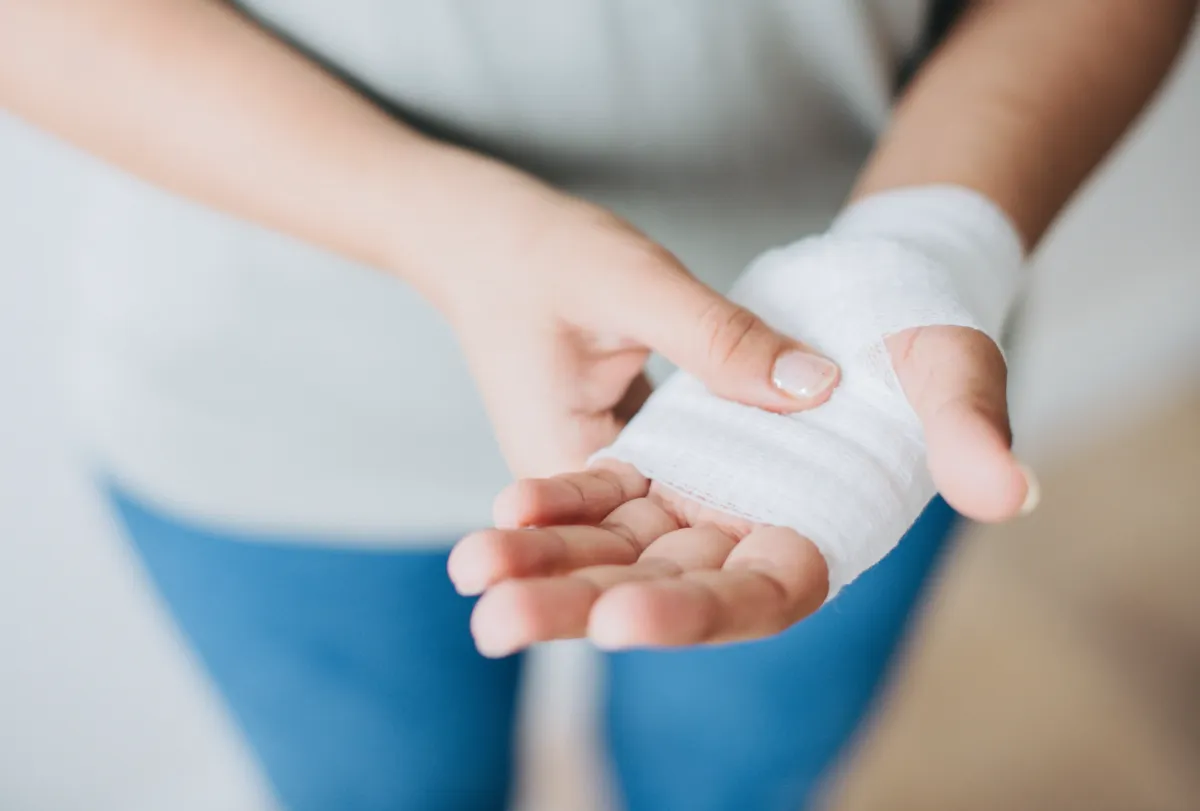
A hand fracture can make even the simplest daily tasks difficult. Holding a coffee cup, typing on a keyboard, opening a door, or buttoning a shirt may suddenly become painful or impossible. Because the hand contains 27 bones working together with muscles, tendons, ligaments, and nerves, even a minor fracture can affect strength, mobility, and coordination if not treated properly.
At Manhattan Physical Therapy, we help patients recover from hand fractures through personalized rehabilitation programs designed to reduce pain, restore movement, improve grip strength, and help them safely return to work, sports, and everyday activities.
What Is a Hand Fracture?
A hand fracture is a break or crack in one or more of the bones that make up the hand. These injuries range from small, stable cracks that heal with immobilization to complex fractures that require surgical repair. The hand contains three main groups of bones:
Although wrist fractures are often discussed separately, fractures involving the metacarpals and phalanges are commonly referred to as hand fractures. Fractures can also be classified by their severity:
Closed fracture
Open (compound) fracture
Displaced fracture
Non-displaced fracture
Comminuted fracture
Intra-articular fracture
Because every fracture is different, treatment depends on factors such as which bone is broken, whether the fracture is stable, your age, occupation, hand dominance, activity level, and whether nearby tendons, nerves, or blood vessels are also injured.
What Causes a Hand Fracture?
A hand fracture usually occurs when a force exceeds the strength of the bone. The type and severity of the fracture often depend on how the injury happened. Some of the most common causes include:
Falls
Falling onto an outstretched hand is the leading cause of hand fractures. This is especially common during winter months, on slippery sidewalks, or while climbing stairs.
Sports Injuries
Contact sports and recreational activities frequently lead to fractures from direct impact or falls. Common examples include:
Basketball
Football
Baseball
Hockey
Boxing
Cycling
Skateboarding
Snowboarding
Crush Injuries
Heavy machinery, workplace accidents, doors closing on the hand, or industrial equipment can generate enough force to crush the bones and surrounding soft tissues.
Motor Vehicle Accidents
Car, motorcycle, and bicycle crashes can produce high-energy injuries that result in multiple fractures, joint damage, or open fractures requiring surgery.
Direct Trauma
A direct blow during an accident, altercation, or impact with a hard object may fracture one or more bones in the hand.
Bone Weakness
Certain medical conditions make fractures more likely, even after relatively minor trauma. These include:
Osteoporosis
Bone tumors
Metabolic bone disorders
Long-term corticosteroid use
What Are the Symptoms of a Hand Fracture?
Symptoms vary depending on which bone is broken and how severe the injury is. While some fractures cause an obvious deformity, others may initially resemble a severe sprain. Common signs and symptoms include:
Sudden pain after an injury
Swelling around the hand or fingers
Bruising or discoloration
Tenderness when touching the injured area
Difficulty making a fist
Reduced grip strength
Limited finger or thumb movement
Stiffness
Finger deformity or shortening
Fingers crossing over one another when making a fist (rotational deformity)
Numbness or tingling, which may indicate nerve involvement
Seek immediate medical attention if you notice:
An open wound with exposed bone
Severe deformity
Fingers turning pale, blue, or cold
Complete inability to move your fingers
Persistent numbness or loss of sensation
Heavy bleeding after the injury
These symptoms may indicate a more serious injury requiring urgent evaluation. Even if pain seems manageable, it is important to have the injury assessed. Some fractures are not obvious on the first X-ray and may require repeat imaging or advanced scans such as a CT scan or MRI if clinical suspicion remains high.
How Is a Hand Fracture Diagnosed?
Getting the correct diagnosis is the first step toward a successful recovery. Because some fractures may appear similar to severe sprains or ligament injuries, a thorough evaluation is necessary before treatment begins. Your healthcare provider will usually perform the following:
Medical History
You'll be asked questions about how the injury happened, when the pain started, and whether you experienced immediate swelling, numbness, or loss of movement. Details about your occupation, hobbies, sports participation, and whether the injured hand is your dominant hand may also help guide treatment.
Physical Examination
During the examination, your provider will check for:
Swelling and bruising
Areas of tenderness
Finger alignment
Deformity
Range of motion
Grip strength
Sensation in the fingers
Blood circulation to the hand
X-rays
Standard X-rays remain the primary imaging test for diagnosing hand fractures. Images are usually taken from multiple angles because certain fractures can be difficult to detect from a single view.
In some cases, an initial X-ray may not clearly show the fracture. If symptoms strongly suggest a fracture, your provider may temporarily immobilize your hand and repeat the X-ray after 7 to 14 days.
CT Scan
A CT scan may be recommended for:
Complex fractures
Fractures involving joints
Multiple broken bones
Surgical planning
MRI
MRI scans are less commonly used for the fracture itself but are valuable when there is concern for injuries involving:
Tendons
Ligaments
Muscles
Cartilage
Nerves
How Is a Hand Fracture Treated?
Treatment depends on several factors, including the location of the fracture, bone alignment, stability, age, activity level, and whether nearby soft tissues have also been injured. The primary goals are to:
Allow the bone to heal properly
Restore normal finger alignment
Prevent stiffness
Preserve grip strength
Help you safely return to everyday activities
Non-Surgical Treatment
Many hand fractures heal successfully without surgery. Non-operative treatment may include:
Splinting or casting
Buddy taping for certain finger fractures
Elevating the hand to reduce swelling
Applying ice during the early stages
Pain management as recommended by your healthcare provider
Regular follow-up X-rays to monitor healing
Immobilization generally lasts 3 to 6 weeks, depending on the fracture type and healing progress. Stable fractures often begin gentle movement exercises before complete bone healing to minimize stiffness.
Surgical Treatment
Surgery may be recommended if:
The fracture is displaced.
The bones cannot be aligned manually.
Multiple bones are fractured.
The fracture extends into a joint.
There is an open fracture.
Tendons, nerves, or blood vessels are injured.
Common surgical techniques include:
Closed reduction with percutaneous pins (Kirschner wires)
Open reduction and internal fixation (plates and screws)
External fixation for severe crush injuries or open fractures
Most procedures are performed on an outpatient basis, allowing patients to return home the same day. Even after surgery, rehabilitation remains essential for restoring movement, coordination, and hand strength.
Why Is Physical Therapy Important After a Hand Fracture?
Bone healing is only one part of recovery. After several weeks in a splint or cast, the muscles weaken, joints become stiff, and tendons lose flexibility. Without rehabilitation, many people continue to experience:
Limited finger motion
Weak grip strength
Difficulty writing or typing
Trouble lifting objects
Pain with daily activities
Reduced dexterity
Physical therapy focuses on restoring the normal function of your hand while reducing the risk of long-term complications. Research has shown that early, guided rehabilitation can improve range of motion, reduce stiffness, and support a faster return to work and daily activities compared with prolonged immobilization alone.
What Does Hand Fracture Rehabilitation Include?
Your rehabilitation program changes as healing progresses.
Pain and Swelling Management
During the early phase, treatment focuses on controlling inflammation through:
Elevation
Gentle movement of unaffected joints
Manual therapy when appropriate
Compression when indicated
Education on protecting the injured hand
Restoring Range of Motion
Once your provider confirms that the fracture is stable, gentle mobility exercises begin to improve movement in the fingers, thumb, wrist, and forearm. These exercises help reduce stiffness that commonly develops after immobilization.
Strengthening Exercises
As healing progresses, strengthening exercises are introduced to rebuild:
Grip strength
Pinch strength
Finger coordination
Wrist stability
Forearm strength
Manual Therapy
Hands-on techniques may be used to improve:
Joint mobility
Scar tissue flexibility
Soft tissue movement
Overall hand function
Functional Training
The final stage focuses on helping patients safely return to everyday activities such as:
Typing
Writing
Cooking
Lifting
Sports
Playing musical instruments
Manual labor
What Exercises Help After a Hand Fracture?
Exercises should only begin after clearance from your healthcare provider or physical therapist. Starting too early may interfere with bone healing. Common rehabilitation exercises include:
Wrist flexion and extension
Wrist deviation
Forearm pronation and supination
Finger tendon-gliding exercises
Towel squeeze exercises
Therapy putty strengthening
Grip strengthening
Wrist curls
Finger extension exercises
Functional grasp activities
The intensity and timing of these exercises depend on your stage of healing. Performing advanced strengthening too soon may delay recovery, while waiting too long to begin movement may increase stiffness.
How Long Does It Take to Recover From a Hand Fracture?
Recovery varies depending on the severity of the injury and whether surgery was required. Typical recovery timelines include:
Bone healing: approximately 6 to 8 weeks
Return to light daily activities: around 4 to 8 weeks
Grip strength improvement: approximately 3 to 4 months
Sports or physically demanding work: often 3 to 6 months
Maximum recovery: up to 12 months for complex injuries
Even after the bone heals, mild stiffness or occasional aching during cold weather or heavy activity may continue for several months before gradually improving.
When Should You Seek Immediate Medical Care?
Seek emergency medical attention if you experience:
Bone protruding through the skin
Severe deformity
Uncontrolled bleeding
Fingers becoming cold, pale, or blue
Complete numbness
Sudden loss of finger movement
Severe pain after a high-impact injury
Whether you've recently had your cast removed or are recovering after surgery, our experienced team will create a personalized treatment plan based on your recovery goals. Call (212)-213-3480 today to schedule your evaluation and begin your recovery.
What Do They Say About Us?
Alexander Liu
"Everyone on the team at Manhattan Physical Therapy is super nice and caring. They were able to pretty quickly diagnose my knee and hip problems and immediately put me to work to reduce the pain.."
Henry Myerberg
"You're not just a patient when you come to the Manhattan Physical Therapy. You feel like family there. In particular, Erica with her colleagues John, Lidia and Joe not only fix and improve you physically, they make you feel welcomed and cared for.."
Hakyung Kim
"Everyone is so kind and helpful! my knee and hip pain have improved massively since starting Manhattan PT, highly recommend to anyone. special thanks to Bianca, Lidia, Joe, and John!"
Manhattan Physical Therapy
✆ Phone (appointments):
(212) 213-3480
Address: 385 5th Ave, Suite 503, New York, NY 10016


