

Exercises to Avoid After Back Surgery
Manhattan Physical Therapy
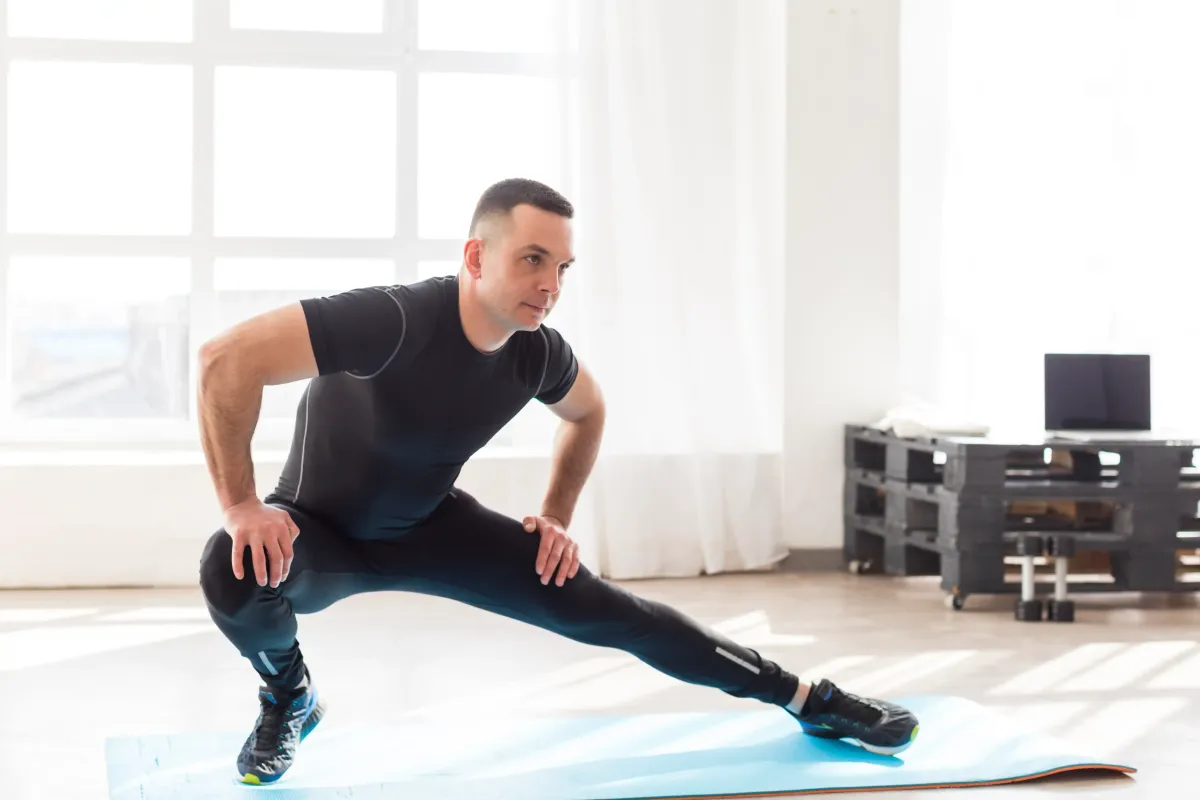
Back surgery can relieve nerve pressure, stabilize unstable segments, and restore quality of life. But surgery is only one part of the process. What you do in the weeks and months afterward often determines how well you recover.
One of the most common questions patients ask is simple: “What exercises should I avoid after back surgery?” That is the right question to ask.
Recovery is not about doing more. It is about doing the right things at the right time and avoiding movements that stress healing tissues before they are ready.
Why Certain Exercises Can Harm Your Healing Spine
After back surgery, your body is in a controlled healing phase. Whether you had a discectomy, decompression, or spinal fusion, tissues need time to repair and stabilize.
If you had a fusion procedure, the bone must grow and solidify between vertebrae. Research shows that bone fusion can take several months to mature, with the highest vulnerability during the first 6 to 12 weeks. During this time, excessive motion, compression, or rotation can interfere with the fusion process.
If you had a microdiscectomy or decompression, soft tissues and surrounding structures still need time to calm inflammation and rebuild strength. Here is what happens if you stress your spine too early:
Increased inflammation
Hardware irritation or loosening in fusion cases
Recurrent disc irritation
Muscle guarding and prolonged pain
Delayed overall recovery
Most surgeons follow the “BLT” rule early on:
No Bending
No Lifting
No Twisting
This applies to your workouts too.
High-Risk Exercises to Avoid in the Early Recovery Phase
Not all exercises are equal. Some movements place high loads across the spine even if they feel familiar. Below are common exercises that should be avoided in the early stages unless your surgeon or physical therapist specifically clears them.
Weighted Squats and Deadlifts
Deadlifts and heavy squats increase compressive and shear forces on the lumbar spine. After surgery, your tissues cannot tolerate these loads. Even light weights can be problematic if:
You round your back
You fatigue quickly
You combine lifting with rotation
If you had a fusion, these movements are typically restricted for several months. Even after clearance, progression should be gradual and supervised.
Traditional Sit-Ups and Crunches
Crunches force repeated spinal flexion. After a discectomy or fusion, aggressive bending can stress healing discs and surgical segments.
Instead of flexion-based core work, most rehab programs emphasize neutral spine stabilization.
High-Impact Cardio
Running, jumping, and plyometrics transmit repetitive impact forces through your spine. If you had a fusion, bone healing must be solid before these forces are introduced. High-impact sports such as basketball, tennis, or martial arts are generally postponed for several months.
Aggressive Stretching
Stretching is helpful, but pushing into sharp pain or forcing end-range positions can increase inflammation.
Early after surgery, mobility work should feel controlled and mild. Sharp pulling in the back or leg is a sign to stop.
Movements That Stress the Spine Without You Realizing It
Many patients avoid the gym but unknowingly strain their spine during daily life.
Twisting While Carrying Weight
Carrying groceries and turning to place them on a counter combines rotation and load. This is one of the most stressful combinations for a healing spine. Instead, pivot your entire body by moving your feet rather than rotating through your waist.
Prolonged Sitting
Extended sitting increases disc pressure, particularly in the lower back. After surgery, limit sitting to 20 to 30 minutes at a time in the early phase.
Use:
Lumbar support
Firm seating
Regular standing or walking breaks
Vacuuming and Household Chores
Vacuuming, changing sheets, and loading laundry involve bending and reaching. These movements can irritate healing tissues if done too soon.
Plan for assistance during the first few weeks if possible.
Poor Sleep Position
Sleeping on your stomach increases stress on the lower back and neck. Safer options:
On your back with a pillow under your knees
On your side with a pillow between your knees
Spinal alignment during sleep matters more than most people realize.
When Is It Safe to Start Exercising Again?
There is no universal timeline. Recovery depends on:
Type of surgery
Your age and health
Whether a fusion was performed
Your baseline strength and mobility
That said, general reference points often look like this:
Minimally invasive decompression: light activity may begin around 4 weeks
Spinal fusion: structured exercise typically begins between 6 weeks and 3 months
Complex or multi-level procedures: return to higher-level activity may take 4 to 6 months
These are averages. Your surgeon’s instructions always take priority. Research consistently supports early, controlled movement rather than prolonged bed rest. Walking is usually encouraged soon after surgery because it:
Improves circulation
Reduces stiffness
Supports mental well-being
Maintains light muscle activation without overloading the spine
The key principle is progression. Short daily movement sessions are more effective than occasional intense workouts.
If exercise causes:
Increasing leg pain
New numbness
Severe weakness
Loss of bowel or bladder control
What Core Exercises Are Safer After Back Surgery?
After surgery, the goal is not to “strengthen your abs.” The goal is to rebuild stability without stressing the healing segment. Your core includes:
Deep abdominal muscles
Back stabilizers
Glutes
Hip muscles
These muscles work together as a support system for your spine. Instead of aggressive bending exercises, rehab focuses on neutral spine control.
Below are commonly recommended low-stress exercises. Always confirm with your surgeon or physical therapist before starting.
Pelvic Tilts (Foundational Control)
Why it helps:
Pelvic tilts restore awareness and gentle control of spinal positioning after surgery.
How to do it:
Lie on your back with knees bent.
Gently flatten your lower back into the floor.
Hold 2 to 3 seconds.
Repeat 10 to 15 times.
There should be no sharp pain.
Bird Dog (Spinal Stability)
Why it helps:
This exercise activates deep stabilizers while keeping the spine neutral.
How to do it:
On hands and knees, extend the opposite arm and leg.
Keep your back flat like a table.
Do not lift too high.
Hold 5 seconds.
Repeat 8 to 10 times each side.
If you feel your lower back sagging or twisting, reduce the range.
Bridges (Glute Activation)
Why it helps:
Weak glutes force your lower back to work harder. Bridges shift work away from the spine.
How to do it:
Lie on your back with knees bent.
Lift hips slowly.
Squeeze glutes at the top.
Perform 2 to 3 sets of 10 to 15 reps.
Avoid arching excessively.
Modified Planks (Neutral Core Strength)
Why it helps:
Planks train stability without repeated spinal bending.
Start with:
Forearms on a counter or sturdy surface.
Hold 10 to 30 seconds.
Maintain a straight line from head to hips.
Progress slowly before moving to floor planks.
Nerve Glides (If You Had Sciatica)
If you had leg pain before surgery, nerve mobility may still be limited.
Nerve glides gently move the nerve without overstretching it.
Lie on your back.
Lift your leg using a strap.
Stop at mild tension.
Lower slightly, then repeat.
Perform 10 to 20 gentle repetitions.
There should be no sharp or worsening leg pain.
What Cardio Is Safe After Back Surgery?
Cardiovascular exercise is often encouraged earlier than people expect. Movement improves circulation and prevents stiffness.
Walking
Walking is usually the first recommended activity.
Start with:
Short durations
Flat surfaces
Comfortable pace
Stationary Cycling
Low resistance cycling can be helpful, but seat positioning matters. Avoid leaning forward excessively.
Aquatic Therapy
Water reduces body weight stress on the spine. This can be especially helpful if:
You have persistent pain
You are deconditioned
Land exercise feels uncomfortable
Swimming should only begin once your incision is fully healed.
The Most Common Mistake After Back Surgery
The biggest issue is not laziness. It is inconsistency followed by overcompensation. Many patients do nothing for several days, then attempt a long, intense workout. That often leads to flare-ups.
Better approach:
10 to 15 minutes daily
Controlled movement
Gradual progression
No pushing through pain
Recovery favors steady effort over intensity.
When Should You Contact Your Surgeon?
While some soreness is normal, certain symptoms are not. Seek medical attention if you experience:
Loss of bowel or bladder control
Severe or worsening leg weakness
Increasing numbness
Unrelenting pain that does not change
A fall that aggravates symptoms
These may signal complications that need evaluation.
Final Thoughts
Back surgery is not the finish line. It is a reset. Avoiding the wrong exercises early on can prevent setbacks and protect the work your surgeon performed. Focus on:
Neutral spine control
Glute strength
Gradual walking progression
Listening to your body
If you’re not sure what’s safe to do after back surgery, you don’t have to figure it out on your own. The team at Manhattan Physical Therapy will build a plan that fits your surgery, your body, and your goals. Call (212)-213-3480 to schedule your visit and get moving with confidence.
What Do They Say About Us?
Alexander Liu
"Everyone on the team at Manhattan Physical Therapy is super nice and caring. They were able to pretty quickly diagnose my knee and hip problems and immediately put me to work to reduce the pain.."
Henry Myerberg
"You're not just a patient when you come to the Manhattan Physical Therapy. You feel like family there. In particular, Erica with her colleagues John, Lidia and Joe not only fix and improve you physically, they make you feel welcomed and cared for.."
Hakyung Kim
"Everyone is so kind and helpful! my knee and hip pain have improved massively since starting Manhattan PT, highly recommend to anyone. special thanks to Bianca, Lidia, Joe, and John!"
Manhattan Physical Therapy
✆ Phone (appointments):
(212) 213-3480
Address: 385 5th Ave, Suite 503, New York, NY 10016


