

Dry Needling Therapy in NYC
Manhattan Physical Therapy
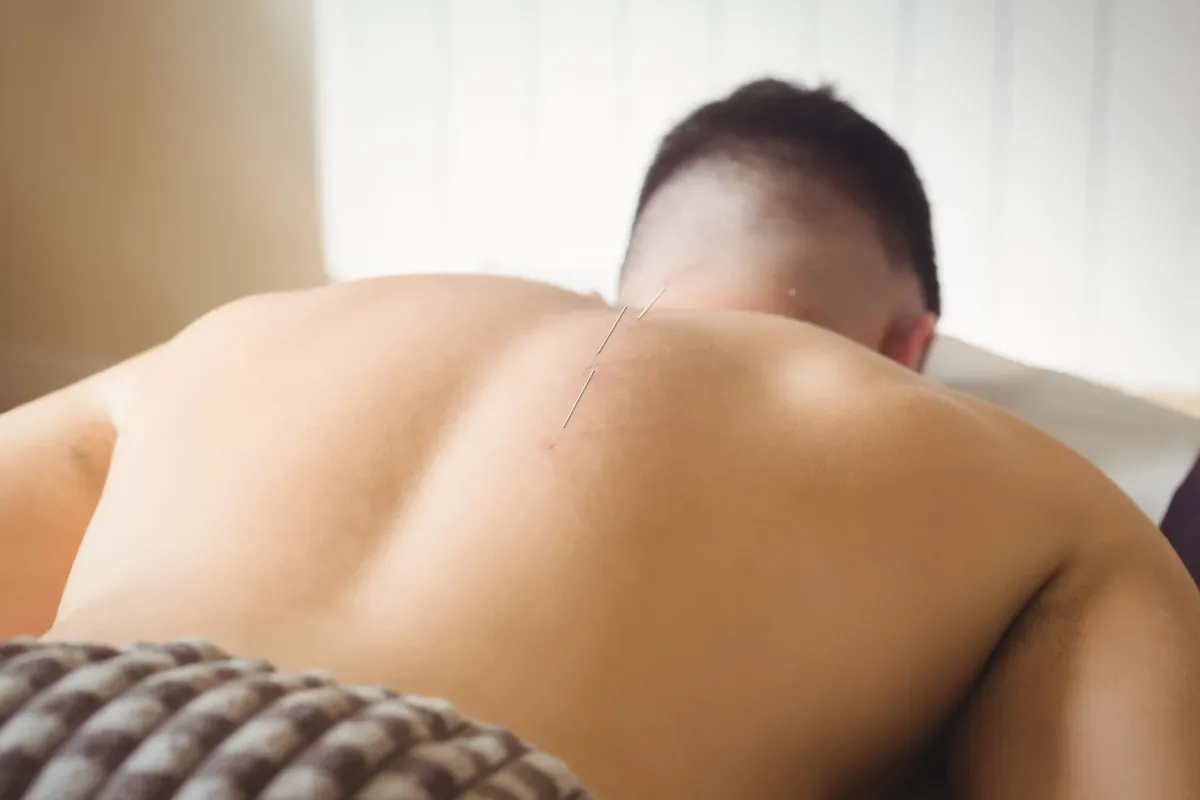
Living in New York City often means long workdays, packed commutes, and repetitive movement that places constant stress on muscles and joints. Over time, this can lead to stubborn pain, tightness, and limited mobility that don’t fully respond to rest or stretching alone. Dry needling therapy is a modern, evidence-informed technique used in physical therapy to target the root cause of muscle pain and help patients move more comfortably again.
At Manhattan Physical Therapy, dry needling is integrated into personalized treatment plans to support recovery, restore movement, and reduce pain—without relying on medication or injections.
What Is Dry Needling Therapy?
Dry needling is a physical therapy technique used to treat muscle pain and movement dysfunction by targeting myofascial trigger points. These trigger points are tight, knotted bands within muscle tissue that are often painful to touch and can cause pain to spread to other areas of the body, known as referred pain.
During dry needling, a licensed physical therapist inserts a very thin, sterile needle through the skin and into the affected muscle. The needle does not contain medication, which is why the technique is described as “dry.” The goal is not to inject anything, but to stimulate the underlying tissue so the muscle can relax and function normally again. Dry needling is sometimes referred to as:
Although the same type of needles are used in acupuncture, dry needling is based on Western medical principles and focuses specifically on musculoskeletal and neuromuscular conditions rather than energy pathways.
How Does Dry Needling Work?
When a muscle is overused, injured, or under constant strain—common in desk-based jobs or physically demanding work—it may enter what therapists call an energy crisis. Blood flow to the area decreases, oxygen supply drops, and the muscle fibers struggle to return to a relaxed state. This environment can make the tissue more acidic and irritate nearby nerves, leading to ongoing pain and stiffness. Dry needling helps interrupt this cycle. By placing a needle directly into the trigger point, the treatment:
Encourages improved blood flow to the area
Helps flush out irritated chemicals within the muscle
Reduces muscle tension
Calms sensitized nerves
In some cases, the muscle responds with a brief involuntary twitch, known as a local twitch response. While not required for success, this response often indicates that the trigger point has been effectively stimulated.
Many patients notice reduced pain or improved movement shortly after treatment, while others experience gradual improvement over several sessions as part of a broader physical therapy plan.
What Conditions Can Dry Needling Help Treat?
Dry needling is commonly used to address muscle-based pain and movement limitations that interfere with daily life in NYC. It may be beneficial for people experiencing:
Neck and shoulder tension from prolonged desk work
Low back pain related to posture or repetitive strain
Hip, knee, or ankle pain linked to muscle imbalance
Tendon-related issues such as tendinitis
Jaw pain or TMJ-related muscle tightness
Headaches associated with muscle tension
Sports and running-related muscle injuries
Pelvic muscle pain and dysfunction
Dry needling is not a standalone solution. It works best when combined with corrective exercise, stretching, and hands-on therapy to address the underlying cause of pain and reduce the risk of recurrence.
What Does Dry Needling Feel Like?
The experience varies from person to person. Some patients barely feel the needle, while others notice a brief pinch or a deep ache when the trigger point is engaged. If a twitch response occurs, it may feel like a quick muscle spasm lasting a second or two.
Mild soreness or tightness afterward is common and usually resolves within 24 to 36 hours. Staying hydrated and continuing gentle movement often helps reduce post-treatment soreness. Bruising can occur but is typically minor and temporary. Dry needling is generally well tolerated and considered safe when performed by a properly trained physical therapist using sterile, single-use needles.
Who Should and Shouldn’t Receive Dry Needling Therapy?
Dry needling is safe for most adults when performed by a properly trained physical therapist, but it isn’t appropriate for everyone. Before starting treatment, your therapist will review your medical history and current symptoms to make sure it’s a good fit. Dry needling may not be recommended or may require medical clearance if you:
Are pregnant
Have a bleeding disorder or are taking blood-thinning medication
Have a compromised immune system
Have recently had surgery in the treatment area
Have a strong fear of needles
Are unable to understand or consent to the procedure
For children, dry needling is typically avoided unless there is a strong clinical reason and informed consent is provided. In many cases, other hands-on or exercise-based treatments may be equally effective.
What Happens Before, During, and After Dry Needling?
Before treatment, your physical therapist performs a detailed evaluation to identify movement limitations, muscle imbalances, and trigger points contributing to your pain. Dry needling is only used if it supports your overall recovery plan.
During treatment, the therapist cleans the skin and inserts a sterile, single-use needle into the targeted muscle. Depending on your condition, the needle may be placed superficially or deeper into the muscle tissue. It may stay in place for a few seconds or several minutes, or be gently moved using an in-and-out technique. Muscle twitching or soreness during treatment is normal and often a sign that the tissue is responding.
After treatment, the needle is removed and the area is checked. You may be asked to move, stretch, or perform light exercises to reinforce the benefits. Mild soreness, stiffness, or bruising can occur and usually resolves within a day or two. Staying active and drinking water can help speed recovery.
What Are the Benefits and Possible Side Effects?
Dry needling offers several benefits when used as part of a structured physical therapy program:
Reduced muscle pain and tightness
Improved flexibility and joint mobility
Better muscle activation and coordination
Faster return to daily activities and exercise
Reduced reliance on pain medication
Side effects are usually minor and temporary. The most common include localized soreness, stiffness, or bruising. Fatigue or lightheadedness can occur but typically resolves quickly. Serious complications are extremely rare when treatment is performed by a trained provider using proper technique and safety protocols.
How Is Dry Needling Different From Acupuncture?
Although both treatments use thin needles, their purpose and approach are very different. Acupuncture is rooted in traditional Chinese medicine and focuses on balancing energy flow through specific points along meridians. It’s used to treat a wide range of conditions, including pain, stress, sleep issues, and digestive concerns.
Dry needling is based on modern anatomy and neuroscience. It targets specific dysfunctional muscles and trigger points that contribute to pain and movement problems. Fewer needles are typically used, and the treatment is focused on restoring normal muscle function rather than energy balance.
Why Dry Needling Is Effective for Active New Yorkers
In NYC, many people deal with pain caused by long hours at a desk, repetitive work tasks, intense workouts, or constant walking and commuting. These demands often create muscle overload that doesn’t fully resolve with rest alone.
Dry needling helps address deep muscle tension that stretching and massage may not reach. When combined with corrective exercise and movement retraining, it can be a powerful tool for long-term relief—not just short-term symptom reduction.
Is Dry Needling Right for You?
Dry needling isn’t a one-size-fits-all solution, but for the right patient, it can make a meaningful difference in pain levels and mobility. A proper assessment is essential to determine whether trigger points are contributing to your symptoms and how dry needling fits into your overall care plan.
If muscle tightness, recurring pain, or movement restrictions are holding you back, a licensed physical therapist can help you explore whether dry needling therapy in NYC is appropriate for your condition.
Schedule a one-on-one evaluation and find out if dry needling is right for you. Call (212)-213-3480 to book your appointment today.
Frequently Asked Questions
What is dry needle therapy good for?
Dry needling is helpful for relieving muscle tightness, trigger point pain, and movement restrictions. It’s commonly used for neck, back, shoulder, hip, and sports-related muscle pain.
How long do the benefits of dry needling last?
Relief may last from several days to several weeks, depending on the condition and activity level. Long-term results improve when combined with exercise and movement correction.
When is dry needling most effective?
Dry needling is most effective when muscle trigger points are contributing to pain or limited motion. It works best as part of a complete physical therapy program.
How do you know if dry needling is working?
Signs include reduced pain, improved range of motion, and easier movement during daily activities. Some people notice improvement immediately, others over multiple sessions.
How many times can dry needling be done?
The frequency depends on your condition and response to treatment. Many patients benefit from 1–2 sessions per week for a short period, then taper as symptoms improve.
What Do They Say About Us?
Alexander Liu
"Everyone on the team at Manhattan Physical Therapy is super nice and caring. They were able to pretty quickly diagnose my knee and hip problems and immediately put me to work to reduce the pain..
Henry Myerberg
"You're not just a patient when you come to the Manhattan Physical Therapy. You feel like family there. In particular, Erica with her colleagues John, Lidia and Joe not only fix and improve you physically, they make you feel welcomed and cared for.."
Hakyung Kim
"Everyone is so kind and helpful! my knee and hip pain have improved massively since starting Manhattan PT, highly recommend to anyone. special thanks to Bianca, Lidia, Joe, and John!"
Manhattan Physical Therapy
✆ Phone (appointments):
(212) 213-3480
Address: 385 5th Ave, Suite 503, New York, NY 10016


