

Dry Needling For Tension Headaches in NYC
Manhattan Physical Therepy
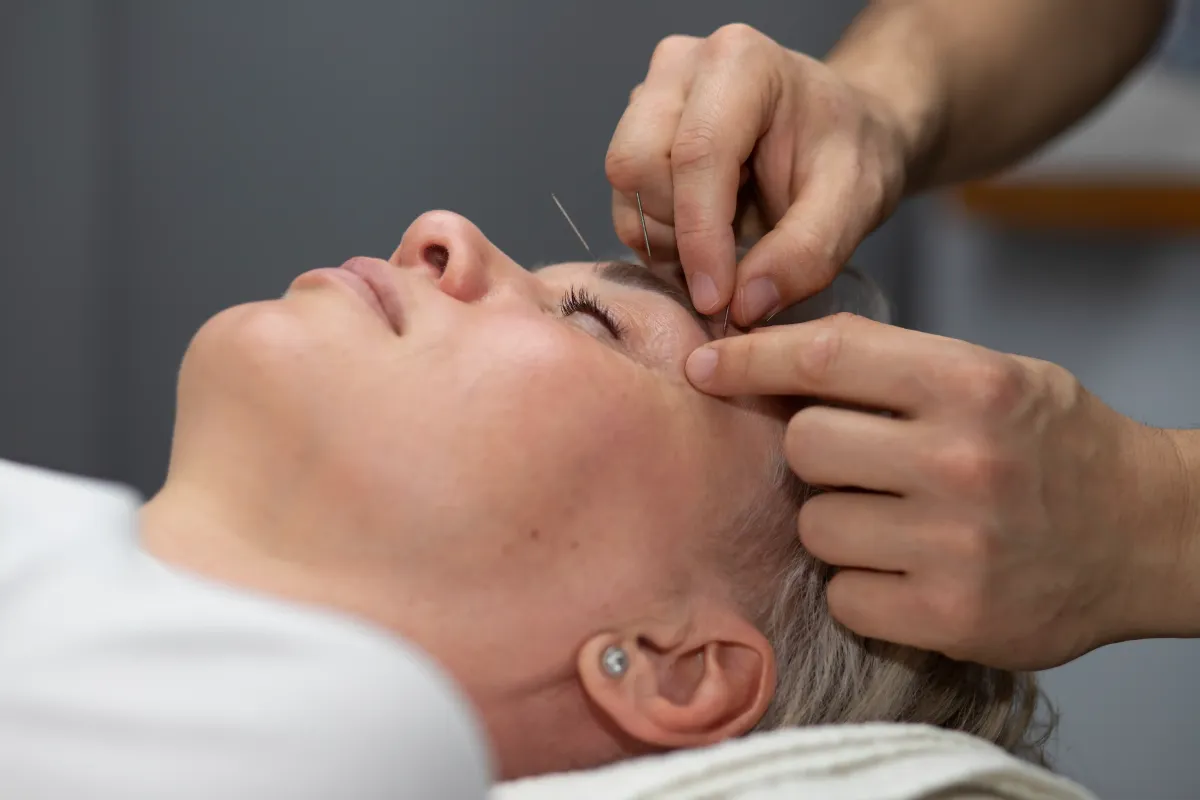
Understanding Tension Headaches in Daily Life
Tension headaches are one of the most common reasons people seek care for head and neck pain in New York City. They usually feel like a steady pressure or tight band around the head rather than a sharp or throbbing pain.
These headaches often build up from long hours at a desk, screen exposure, commuting stress, and poor posture. Many people also report stiffness in the neck and shoulders along with the headache, especially after a long workday. Common symptoms include:
Dull, pressing pain on both sides of the head
Tightness in the neck, upper back, or shoulder muscles
Scalp or temple tenderness
Increased discomfort during stress or fatigue
Unlike migraines, tension headaches usually do not come with nausea or visual disturbances, but they can still significantly affect focus, sleep, and productivity.
What Is Dry Needling in Physical Therapy
Dry needling is a treatment technique used by trained physical therapists to address muscle tightness and trigger points, which are small, sensitive knots within muscles.
It involves inserting very thin, sterile needles into specific areas of muscle tissue. The goal is not medication delivery, but mechanical stimulation of tight or dysfunctional muscle fibers.
When a needle is placed into a trigger point, it may create a brief local twitch response. This reaction is believed to help reset the muscle’s tone, reduce tightness, and improve local blood flow. Key effects often targeted in treatment include:
Release of deep muscle tension
Improved circulation in affected areas
Reduction in muscle-related pain signals
Relaxation of overactive trigger points
How Muscle Tension Contributes to Headaches
Many tension headaches are not purely “head problems.” They often start in the neck and shoulder region and then refer pain upward.
Muscles commonly involved include the upper trapezius, suboccipital muscles at the base of the skull, and levator scapulae. When these muscles stay tight for long periods, they can create referred pain patterns that feel like head pressure or tightness. In patients, common contributing factors include:
Long hours of sitting at desks or laptops
Forward head posture from phone or screen use
Stress-related muscle guarding
Lack of regular movement breaks
How Dry Needling Targets Tension Headache Pain
Dry needling addresses the muscular component of tension headaches directly. Instead of only reducing symptoms temporarily, it focuses on releasing the underlying trigger points that often keep the pain cycle active. When these trigger points are treated, several changes may occur:
Reduced muscle stiffness in the neck and shoulders
Improved mobility in the cervical spine
Decreased referral of pain into the head
Lower sensitivity of local pain receptors
Clinical research suggests that dry needling can improve headache-related disability in the short term, especially for tension-type headaches, although its effect on pain intensity can vary between individuals.
In practice, many patients notice reduced tightness and better neck movement, which often contributes to fewer headache episodes over time.
What Happens During a Dry Needling Session
A dry needling session usually starts with a detailed assessment. The clinician first looks at your neck posture, shoulder movement, and the areas where you feel headache pain. The goal is to identify muscle patterns that may be contributing to your symptoms, not just the pain location itself.
Once the trigger points are identified, very thin sterile needles are placed into specific muscles. Most people feel a brief twitch or a dull ache when the needle reaches the tight spot. This is generally short-lived and often followed by a sense of release in the area.
A typical session may include:
Targeting neck and upper shoulder muscles linked to headache referral
Short needle placement in multiple trigger points
Gentle movement or stretching after needling
Post-treatment guidance based on your response
After the session, it is common to feel mild soreness in the treated muscles for 24 to 48 hours. This usually settles on its own and is often followed by reduced tightness and improved movement.
Potential Benefits For Tension Headache Relief
Dry needling is not a standalone cure for every type of headache, but it can play an important role in reducing muscle-driven symptoms, especially in tension-type headaches. Some of the commonly reported benefits include:
Reduced frequency of headache episodes
Decreased tightness in the neck and upper back
Improved range of motion in the cervical spine
Less referred pain from trigger points into the head
Better tolerance for desk work and screen use
Research suggests that while dry needling may not always outperform other treatments for immediate pain relief, it can improve related disability and function in the short term. This matters because for many patients, the main issue is not just pain intensity but how often headaches interfere with daily life.
Safety Considerations and What You Should Know
Dry needling is generally considered safe when performed by a properly trained clinician. However, like any physical intervention, it is not completely risk-free. Most side effects are mild and temporary, such as:
Muscle soreness
Small bruising at needle sites
Temporary fatigue after treatment
Rare but more serious risks have been reported in medical literature, including infection or accidental injury to deeper structures. These events are uncommon and are significantly reduced when the procedure is performed by trained healthcare professionals following proper clinical guidelines. Certain individuals may not be suitable candidates without medical clearance, such as those with:
Active infections
Significant bleeding disorders or anticoagulant use
Severe needle-related anxiety
Specific medical conditions requiring caution
Dry Needling Compared with Other Approaches
Dry needling is often compared with acupuncture, but the clinical reasoning behind it is different. While acupuncture is based on traditional systems, dry needling is grounded in modern musculoskeletal and neurophysiological concepts.
In headache management, dry needling is rarely used alone. It is more effective when combined with other physical therapy approaches such as:
Postural retraining for desk and screen habits
Manual therapy to improve joint mobility
Targeted strengthening of neck and shoulder muscles
Ergonomic adjustments for workstations
Stress and tension management strategies
This combined approach is important because tension headaches are usually influenced by more than one factor. Treating only the muscle without addressing posture or workload habits often leads to temporary relief rather than long-term change.
Who May Benefit Most From this Treatment
Dry needling is typically considered for individuals who experience recurring tension headaches linked with muscle tightness in the neck or shoulders.
You may be a good candidate if you notice:
Headaches that worsen after long computer or phone use
Persistent tightness in the upper trapezius or neck muscles
Temporary relief from massage but recurring symptoms
Headaches linked with stress and posture fatigue
Dry needling can be a useful part of a broader plan that focuses on reducing muscle overload and improving movement efficiency. When combined with consistent physical therapy care, many patients notice fewer headache triggers and better tolerance for daily activity.
If you’re dealing with frequent tension headaches, getting the right treatment early can make a real difference. Manhattan Physical Therapy offers personalized care, including dry needling when appropriate, to help reduce muscle tension and headache recurrence. Call today to book an appointment: (212)-213-3480
What Do They Say About Us?
Alexander Liu
"Everyone on the team at Manhattan Physical Therapy is super nice and caring. They were able to pretty quickly diagnose my knee and hip problems and immediately put me to work to reduce the pain.."
Henry Myerberg
"You're not just a patient when you come to the Manhattan Physical Therapy. You feel like family there. In particular, Erica with her colleagues John, Lidia and Joe not only fix and improve you physically, they make you feel welcomed and cared for.."
Hakyung Kim
"Everyone is so kind and helpful! my knee and hip pain have improved massively since starting Manhattan PT, highly recommend to anyone. special thanks to Bianca, Lidia, Joe, and John!"
Manhattan Physical Therapy
✆ Phone (appointments):
(212) 213-3480
Address: 385 5th Ave, Suite 503, New York, NY 10016


