

Dry Needling for Knee Pain in NYC
Manhattan Physical Therapy
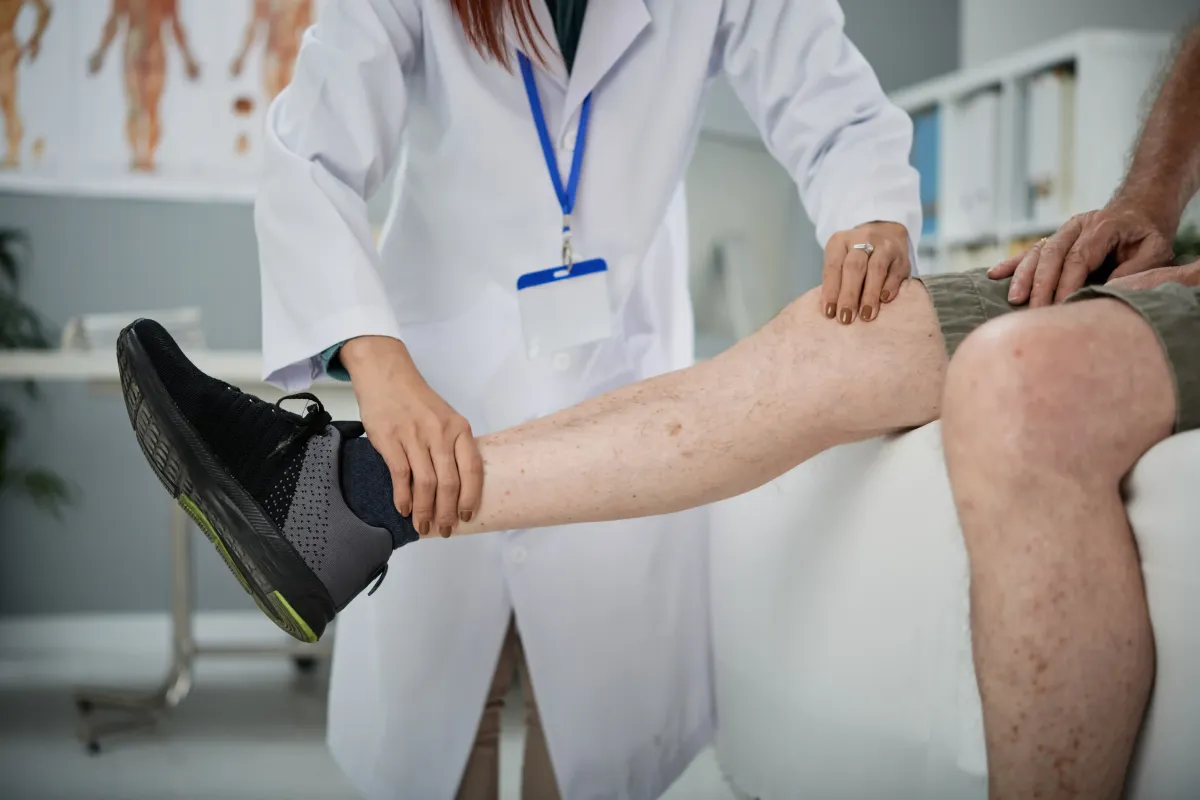
Knee pain can quietly take over your routine. Walking, climbing stairs, even sitting for long periods can become uncomfortable. Whether it started after an injury or built up over time, the goal is simple: reduce pain and get you moving normally again.
One treatment that’s getting a lot of attention for this is dry needling. When used correctly, it can help reduce muscle tension, improve mobility, and support faster recovery. At Manhattan Physical Therapy, it’s often part of a broader plan focused on long-term results, not just temporary relief.
What Makes Knee Pain So Common?
The knee handles a lot of stress every day, so it’s not surprising that problems show up here often. Pain can come from different structures like muscles, tendons, ligaments, or cartilage. Some of the more common causes include:
Acute injuries such as ligament sprains, meniscus tears, or fractures
Overuse conditions like runner’s knee or jumper’s knee
Arthritis, especially osteoarthritis, which leads to joint stiffness and wear
Tendon irritation from repetitive strain
Bursitis, where fluid-filled sacs around the joint become inflamed
Muscle tightness or imbalance affecting how the knee moves
Excess body weight, increasing joint load
Age-related changes in cartilage and joint mechanics
In many cases, the pain isn’t just coming from the joint itself. Tight or overactive muscles around the knee can create additional stress, which is where dry needling becomes useful.
How Dry Needling Actually Works
Dry needling focuses on what are called trigger points. These are tight bands within muscle tissue that can cause pain, restrict movement, and even refer discomfort to other areas.
A trained provider inserts very thin needles into these points to create a local response in the muscle. This response helps:
Release muscle tension
Improve blood flow
Reduce sensitivity in the area
Restore more normal movement patterns
Unlike acupuncture, which follows traditional energy pathways, dry needling is based on modern anatomy and musculoskeletal science. The goal is straightforward: target the source of dysfunction in the muscle and help it reset.
When Dry Needling Helps Knee Pain the Most
Dry needling isn’t a one-size-fits-all solution, but it can be especially helpful in certain situations. It tends to work well for:
Chronic knee pain where muscle tightness plays a role
Knee osteoarthritis, especially when stiffness and movement limitations are present
Post-injury recovery, to reduce muscle guarding and improve mobility
Athletic overuse injuries, where repetitive stress creates trigger points
Pain linked to poor movement patterns, not just structural damage
Research supports this approach. Studies comparing exercise alone versus exercise combined with dry needling show better improvements in pain, strength, and function when both are used together. Patients also report less fear of movement and better long-term outcomes.
That said, dry needling works best as part of a broader plan. Combining it with targeted exercises and movement correction usually leads to more lasting results than relying on any single treatment alone.
What You Can Expect During a Session
If you’ve never tried dry needling before, the idea can sound intimidating, but the process is usually quick and straightforward. During a session:
The provider identifies tight or sensitive muscle areas
Thin needles are inserted into specific trigger points
You might feel a brief twitch or mild ache, which is normal
The needles stay in place for a short time before removal
Most sessions take only a few minutes for the needling portion. Some people feel relief right away, while others notice gradual improvement over a few visits.
Afterward, it’s common to have mild soreness, similar to what you might feel after a workout. This usually fades within a day or two and can be managed with light movement and hydration.
Does Dry Needling Actually Work for Knee Pain?
Short answer: it can, especially when used in the right context.
Research over the past few years has shown that dry needling can reduce pain and improve function in people dealing with knee issues, particularly osteoarthritis and chronic muscular tightness. In controlled studies, patients who combined dry needling with exercise saw better improvements in:
Pain levels
Joint function
Muscle strength
Range of motion
Confidence with movement (less fear of pain)
One study looking at dry needling of the popliteus muscle (a small stabilizing muscle behind the knee) found that adding it to a structured exercise program led to significantly better outcomes than exercise alone, even at follow-ups months later.
From a clinical standpoint, this makes sense. If tight or overactive muscles are contributing to your knee pain, releasing them can reduce stress on the joint and allow exercises to work more effectively.
Patient experiences tend to reflect this as well. Many people report:
Noticeable pain relief within 1–2 sessions
Easier movement during daily activities
Better tolerance for rehab exercises
Is Dry Needling Safe?
For most people, dry needling is considered safe when performed by a trained professional.
The needles used are extremely thin, and the procedure is minimally invasive. Serious complications are rare. What you might experience instead are mild, short-term effects like:
Temporary soreness
Light bruising
A dull ache in the treated area
These usually settle within 24–48 hours.
There are a few situations where extra caution is needed. You should always discuss your medical history before starting treatment, especially if you have:
Bleeding disorders
Sensitivity to needles
Certain medical conditions or infections
Recent surgeries around the knee
A qualified provider will screen for these and adjust the treatment accordingly.
How Dry Needling Fits Into a Full Recovery Plan
Dry needling works best as one piece of the puzzle, not the whole solution.
At Manhattan Physical Therapy, it’s typically combined with other treatments to address both the symptoms and the root cause of knee pain. A well-rounded plan may include:
Targeted strengthening exercises
Mobility and flexibility work
Manual therapy
Movement retraining
Activity modification guidance
The goal isn’t just to reduce pain for a few days. It’s to improve how your knee functions long-term so the pain doesn’t keep coming back.
What to Do After a Dry Needling Session
What you do after treatment can affect how you feel the next day. A few simple guidelines help most people recover comfortably:
Take it easy for the rest of the day, especially avoiding intense activity
Stay hydrated to support muscle recovery
Use light movement or gentle stretching if you feel stiff
Apply ice if there’s mild soreness
You don’t need complete rest, but pushing too hard right after a session can make soreness worse.
Finding the Right Care in NYC
Knee pain doesn’t have to limit your daily life. If tight muscles or movement issues are part of the problem, dry needling may help you move more comfortably and recover faster.
At Manhattan Physical Therapy, treatment plans are built around what your body actually needs, not a one-size approach. If you’re dealing with ongoing knee pain in NYC, getting the right evaluation is the first step toward lasting relief.
Call (212)-213-3480 to schedule an appointment and find out if dry needling is the right fit for you.
What Do They Say About Us?
Alexander Liu
"Everyone on the team at Manhattan Physical Therapy is super nice and caring. They were able to pretty quickly diagnose my knee and hip problems and immediately put me to work to reduce the pain.."
Henry Myerberg
"You're not just a patient when you come to the Manhattan Physical Therapy. You feel like family there. In particular, Erica with her colleagues John, Lidia and Joe not only fix and improve you physically, they make you feel welcomed and cared for.."
Hakyung Kim
"Everyone is so kind and helpful! my knee and hip pain have improved massively since starting Manhattan PT, highly recommend to anyone. special thanks to Bianca, Lidia, Joe, and John!"
Manhattan Physical Therapy
✆ Phone (appointments):
(212) 213-3480
Address: 385 5th Ave, Suite 503, New York, NY 10016


