

Dry Needling for Hip Pain in NYC
Manhattan Physical Therapy
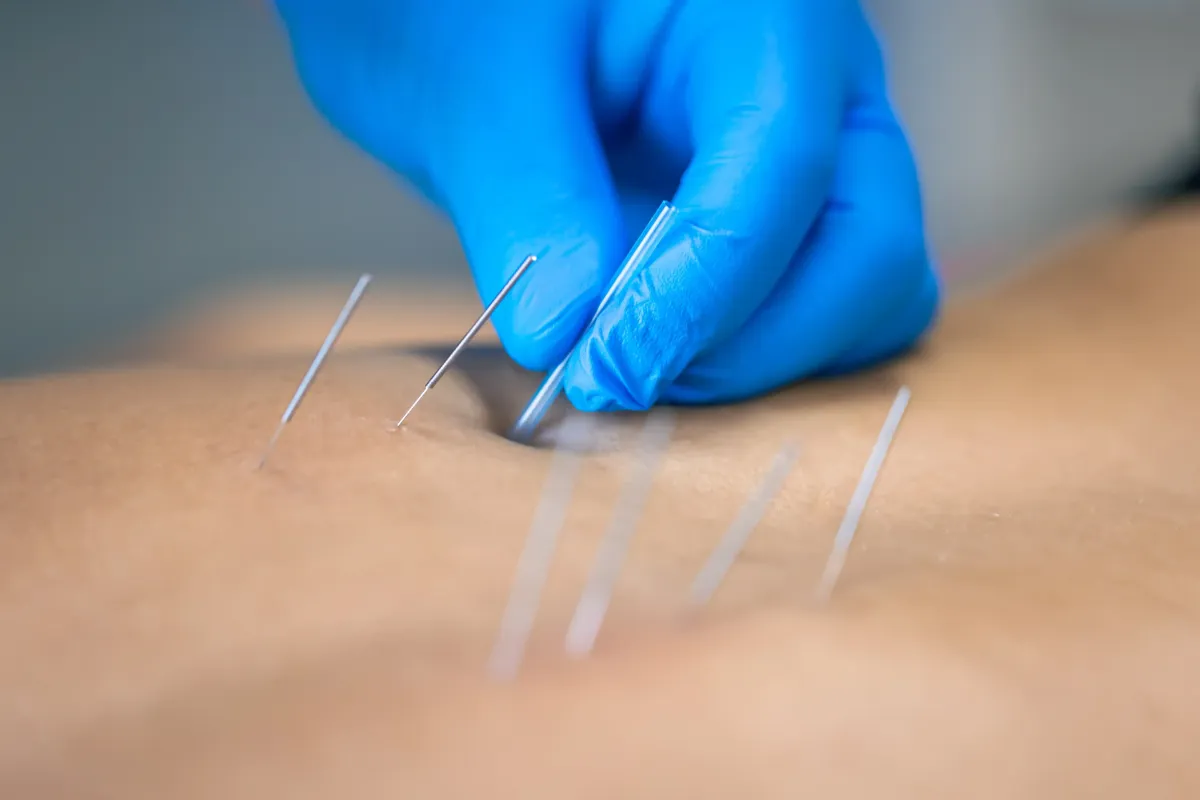
Hip pain can affect far more than exercise or sports activities. Many people begin noticing discomfort while walking through the city, climbing subway stairs, standing after sitting for long periods, or trying to sleep comfortably at night. In some cases, the pain develops gradually from overuse or muscle imbalance. In others, it may follow an injury, arthritis, tendon irritation, or repetitive strain.
Understanding Why Hip Pain Often Persists
The hip is one of the body’s most important weight-bearing joints. It works closely with the lower back, pelvis, gluteal muscles, and core to support movement and stability throughout the day. When one part of this system is not functioning properly, surrounding muscles often compensate. Over time, this can create tightness, inflammation, weakness, and pain.
Many patients are surprised to learn that hip pain is not always caused by the joint itself. Tight muscles and trigger points around the hip commonly contribute to symptoms such as:
Pain on the outside of the hip while walking
Tightness in the front of the hip after sitting
Discomfort during running or workouts
Pain when climbing stairs
Stiffness after long periods of inactivity
Difficulty lying on one side at night
Reduced hip flexibility and mobility
These symptoms may develop alongside conditions such as tendon irritation, muscle imbalance, bursitis, osteoarthritis, labral irritation, snapping hip syndrome, or overuse injuries. In many cases, muscular dysfunction continues to aggravate the area even after the original irritation begins to calm down.
What Dry Needling Actually Does
Dry needling is a modern treatment technique that uses thin, sterile needles to target tight muscle bands known as trigger points. These trigger points may develop because of injury, repetitive movement, poor biomechanics, prolonged sitting, athletic strain, or chronic muscle guarding.
When a trigger point is treated with dry needling, the muscle often produces a brief twitch response. This reaction helps the muscle release excessive tension and may improve circulation, mobility, and pain sensitivity in the surrounding tissues.
Unlike acupuncture, dry needling is based on anatomy, biomechanics, and neuromuscular science. Physical therapists use their understanding of movement patterns, muscle function, and orthopedic conditions to determine which muscles are contributing to the patient’s symptoms. Dry needling may help:
Reduce muscle tightness and spasms
Improve blood flow to irritated tissues
Restore muscle activation and coordination
Improve flexibility and hip mobility
Decrease pain during movement
Conditions That May Respond Well to Dry Needling Around the Hip
Not every type of hip pain has the same cause. A proper evaluation is important because treatment should address the specific muscles, tendons, and movement limitations involved.
Gluteal Tendinopathy and Outer Hip Pain
Pain on the outside of the hip is frequently linked to irritation of the gluteal tendons or nearby muscles. Patients often feel discomfort while walking, standing on one leg, climbing stairs, or sleeping on the affected side.
In these cases, dry needling may help reduce excessive tension in the gluteal muscles, tensor fasciae latae (TFL), and surrounding stabilizers that place added stress on the irritated tissues.
Hip Flexor Tightness and Anterior Hip Pain
Patients who spend long hours sitting or participate in repetitive athletic activity often develop tightness in the hip flexors and front of the hip. This can create stiffness, pinching sensations, or discomfort during movement.
Dry needling may help relax overactive hip flexor muscles while improving movement mechanics around the pelvis and hip joint.
Hip Bursitis
Hip bursitis commonly causes pain along the outer hip, especially during walking or when lying on one side. Although the inflamed bursa itself is not directly treated with needles, surrounding muscular tension often contributes to ongoing irritation.
Treating tight muscles around the hip may help decrease pressure on the affected area and improve overall movement tolerance.
Hip Osteoarthritis
Patients with hip arthritis often develop protective muscle guarding around the pelvis, lower back, and hip joint. This muscular tension can increase stiffness and make daily movement more difficult.
Dry needling may help improve mobility and reduce muscle-related pain, allowing patients to participate more comfortably in strengthening and rehabilitation exercises.
Running-Related Hip Pain
Runners frequently develop hip pain from repetitive loading, muscle imbalance, or poor movement mechanics. Tight hip flexors, gluteal weakness, piriformis irritation, and TFL overactivity are common findings during evaluation.
Dry needling is often used alongside gait retraining and strengthening programs to address these contributing factors.
Why Dry Needling Works Better Alongside Physical Therapy
Dry needling can help reduce pain and muscle tension, but it usually works best when combined with a broader rehabilitation plan. Tight muscles often develop because another issue has altered the way the body moves.
For example, weak gluteal muscles may force smaller muscles around the hip to work excessively. Limited ankle mobility or lower back stiffness may also change movement patterns and increase stress on the hip. That is why treatment at Manhattan Physical Therapy focuses on correcting the underlying mechanics contributing to pain rather than relying on passive treatment alone.
A personalized treatment plan may include:
Hip and core strengthening exercises
Manual therapy for joint and soft tissue mobility
Movement retraining and balance work
Stretching for restricted muscles
Postural and gait correction
Activity modification guidance
Home exercises to maintain progress
Who May Be a Good Candidate for Dry Needling?
Dry needling may benefit a wide range of patients dealing with hip-related pain, stiffness, or movement problems. It is commonly used for both active individuals and patients whose symptoms developed gradually over time. You may benefit from dry needling if you experience:
Persistent tightness around the hips or pelvis
Pain during walking, running, or exercise
Hip stiffness after sitting for long periods
Muscle knots or trigger points around the hip
Pain that radiates into the thigh or gluteal region
Reduced flexibility or range of motion
Recurrent overuse injuries
Ongoing discomfort despite stretching or rest
What Happens During a Dry Needling Session for Hip Pain?
Dry needling sessions are individualized based on the patient’s symptoms and the structures involved. Treatment areas commonly include the:
Gluteal muscles
Piriformis
Hip flexors
Tensor fasciae latae (TFL)
Quadriceps
Deep hip stabilizers
Lower back or pelvic muscles when contributing to hip dysfunction
After identifying trigger points and restricted muscles, the therapist inserts thin sterile needles into targeted areas. Most patients describe the sensation as a mild ache, twitch, cramp, or pressure rather than sharp pain. After treatment, patients may notice:
Improved hip mobility
Easier walking or stair climbing
Reduced muscle tightness
Less pain during movement
Temporary soreness similar to post-workout fatigue
Is Dry Needling Safe?
When performed by a properly trained physical therapist, dry needling is considered a safe treatment for many musculoskeletal conditions.
Minor side effects may include:
Temporary soreness
Mild bruising
Fatigue in the treated muscles
Slight tenderness for 24 to 48 hours
What Research Says About Dry Needling for Hip Pain
Research on dry needling for musculoskeletal pain continues to grow, particularly for conditions involving muscle dysfunction and movement limitations.
Several studies have shown promising short-term improvements in pain, mobility, and physical function when dry needling is incorporated into rehabilitation programs for hip-related conditions. Research involving patients with hip osteoarthritis found that dry needling may help improve:
Pain levels
Walking tolerance
Hip mobility
Physical function during daily activities
Other studies examining trigger point treatment have reported reduced muscle tension and improved movement quality in patients with chronic hip and pelvic pain.
While dry needling is not considered a stand-alone cure, current evidence suggests it can be a valuable addition to physical therapy when combined with strengthening, mobility training, and movement correction. This is especially important because chronic hip pain often involves multiple contributing factors at the same time, including:
Joint stiffness
Muscle guarding
Weakness
Tendon overload
Altered movement mechanics
Signs It May Be Time to Have Your Hip Evaluated
Many people continue modifying activities or avoiding movement for months before seeking treatment. Unfortunately, ongoing compensation patterns can sometimes lead to worsening stiffness, weakness, and pain over time. You should consider scheduling an evaluation if you notice:
Hip pain that lasts longer than a few weeks
Pain during walking, workouts, or stair climbing
Difficulty sleeping because of hip discomfort
Tightness that keeps returning despite stretching
Reduced flexibility or mobility
Pain that limits exercise or daily activities
Clicking, snapping, or instability around the hip
Symptoms that continue getting worse with activity
Dry Needling and Hip Bursitis
Hip bursitis is one of the more common causes of outer hip pain, especially in adults who spend long hours walking, standing, or sleeping on one side.
Bursae are small fluid-filled sacs that help reduce friction between muscles, tendons, and bones. When irritated, the affected area can become painful and sensitive during movement. Although dry needling does not directly target the inflamed bursa itself, it may help address surrounding muscular tension that continues placing stress on the area. Tight muscles commonly associated with hip bursitis include:
Gluteus medius
Gluteus minimus
Tensor fasciae latae (TFL)
Piriformis
Hip flexors
Reducing tension in these muscles may help:
Improve hip mechanics
Decrease irritation during movement
Reduce pressure around the hip
Improve flexibility and stability
Exercises Often Included in Hip Pain Rehabilitation
Dry needling works best when muscles are retrained afterward through proper movement and strengthening exercises. Depending on your condition, treatment may include:
Glute strengthening exercises
Hip abductor strengthening
Core stabilization work
Hip mobility drills
Gentle stretching for tight hip flexors
Balance and gait training
Functional strengthening for walking and stair climbing
If hip pain is affecting your ability to walk comfortably, stay active, work out, or complete daily activities, early evaluation can help identify the source of the problem before symptoms continue progressing.
Call (212)-213-3480 to schedule a comprehensive hip pain evaluation and learn whether dry needling may be appropriate for your recovery plan.
Frequently Asked Questions
How many dry needling sessions are usually needed for hip pain?
The number of sessions depends on the severity of the condition, how long symptoms have been present, and the underlying movement dysfunction involved. Some patients notice improvement after a few sessions, while others benefit from a longer rehabilitation plan.
Can dry needling help chronic hip pain?
Yes. Many patients with chronic muscle tightness, tendon irritation, bursitis, arthritis-related stiffness, or overuse injuries experience improvement when dry needling is combined with physical therapy.
Can I exercise after dry needling?
In many cases, light movement is encouraged after treatment. Your physical therapist may recommend temporary activity modifications depending on your symptoms and treatment response.
How long does soreness last after treatment?
Some soreness is normal and usually feels similar to muscle fatigue after exercise. It commonly improves within 24 to 48 hours.
What Do They Say About Us?
Alexander Liu
"Everyone on the team at Manhattan Physical Therapy is super nice and caring. They were able to pretty quickly diagnose my knee and hip problems and immediately put me to work to reduce the pain.."
Henry Myerberg
"You're not just a patient when you come to the Manhattan Physical Therapy. You feel like family there. In particular, Erica with her colleagues John, Lidia and Joe not only fix and improve you physically, they make you feel welcomed and cared for.."
Hakyung Kim
"Everyone is so kind and helpful! my knee and hip pain have improved massively since starting Manhattan PT, highly recommend to anyone. special thanks to Bianca, Lidia, Joe, and John!"
Manhattan Physical Therapy
✆ Phone (appointments):
(212) 213-3480
Address: 385 5th Ave, Suite 503, New York, NY 10016


