

Dry Needling for Back Pain in NYC
Manhattan Physical Therapy
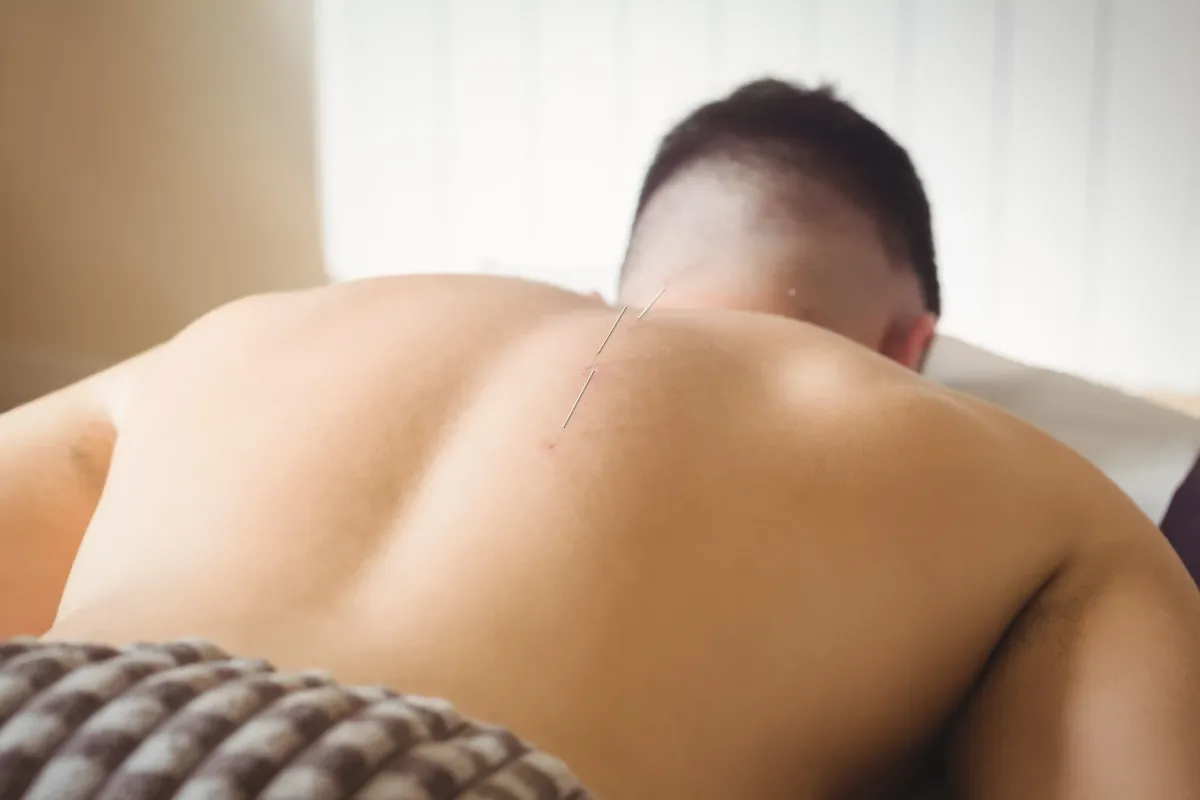
Back pain can quietly take over your routine. Sitting, standing, even sleeping can become uncomfortable. Dry needling is one of the techniques physical therapists use to target the root of that pain and help restore normal movement.
What Is Dry Needling?
Dry needling is a treatment used by physical therapists to relieve muscle pain and improve movement. It involves inserting very thin, solid needles into tight or sensitive areas within muscles, known as trigger points.
These trigger points are small, knotted areas that form within muscle tissue. They can feel tender to the touch and often cause pain not only at the spot itself but also in other parts of the body. This is called referred pain, and it’s common in back conditions.
The term “dry” simply means that no medication is injected. Unlike trigger point injections, this technique relies entirely on the mechanical stimulation of the muscle.
Art Manhattan Physical Therapy, dry needling is typically part of a broader treatment plan. It’s often combined with stretching, strengthening exercises, and manual therapy to address both the symptoms and the underlying cause of back pain.
How Does Dry Needling Work for Back Pain?
When muscles are overworked or strained, they can develop tight bands that restrict blood flow. This creates a cycle where the muscle doesn’t receive enough oxygen and nutrients, making it difficult to relax.
Dry needling helps break this cycle. When a needle is inserted into a trigger point, it stimulates the muscle and surrounding nerves. This can lead to a brief twitch response, which is actually a good sign. It indicates that the muscle is reacting and beginning to release tension. This process can:
Improve blood circulation in the affected area
Reduce muscle tightness
Calm down irritated nerves
Decrease both local and referred pain
There’s also a neurological effect. The stimulation from the needle can prompt the body to release endorphins, which naturally reduce pain.
What Conditions Can Dry Needling Help With?
Dry needling is especially effective for musculoskeletal issues related to muscle tightness and dysfunction. For back pain, it’s often used to treat:
Chronic lower back pain
Muscle strains and overuse injuries
Postural imbalances (like forward head posture or rounded shoulders)
Herniated or bulging disc-related muscle tension
Sciatica-related muscle tightness
Upper back and neck stiffness
It can also help when back pain is linked to lifestyle factors, such as long hours at a desk, poor ergonomics, or repetitive movements.
What Happens During a Dry Needling Session?
A session usually starts with a physical assessment. Your therapist will identify areas of tightness, weakness, and restricted movement. They’ll then locate specific trigger points that may be contributing to your back pain. Once identified, a thin needle is gently inserted into the trigger point. You might feel:
A slight prick as the needle enters the skin
A deep ache or pressure in the muscle
A quick twitch response
These sensations are normal and usually brief.
The needle may be moved slightly to get the best response from the muscle. After removal, the area might feel sore for a day or two, similar to how you might feel after a workout.
Many patients notice improved mobility and reduced pain shortly after treatment. For others, it may take a few sessions to see consistent results.
Is Dry Needling the Same as Acupuncture?
It’s a common question, and the short answer is no.
While both techniques use thin needles, the approach and reasoning behind them are very different. Acupuncture is rooted in traditional Chinese medicine and focuses on balancing the body’s energy flow through specific pathways known as meridians.
Dry needling, on the other hand, is based on modern anatomy and neuroscience. It targets specific muscle trigger points that are contributing to pain and movement restrictions. The goal is straightforward: release tight muscles, improve blood flow, and reduce pain.
At our clinic in Manhattan Physical Therapy, dry needling is used as a clinical tool alongside other evidence-based treatments, not as a standalone or energy-based therapy.
Does Dry Needling Hurt?
Most people expect it to be more painful than it actually is. The needle itself is very thin, so the initial insertion often feels like a small pinch or sometimes nothing at all. The more noticeable sensation happens when the needle reaches a trigger point. You might feel:
A brief muscle twitch
A dull ache or cramping sensation
Mild discomfort that fades quickly
That twitch response is actually what therapists aim for. It means the muscle is reacting and starting to release.
After the session, it’s normal to feel some soreness in the treated area. This usually lasts between 24 to 48 hours and feels similar to post-exercise soreness. Gentle movement and light stretching can help reduce this.
Is Dry Needling Safe?
When performed by a trained and licensed physical therapist, dry needling is considered very safe. Providers follow strict hygiene protocols and use sterile, single-use needles. The technique is precise and based on a strong understanding of anatomy, which helps minimize risks. Side effects are generally mild and may include:
Temporary soreness
Minor bruising
Slight fatigue
Serious complications are rare, especially when treatment is done by experienced professionals.
What Are the Benefits of Dry Needling for Back Pain?
Dry needling offers several practical benefits, especially for people dealing with stubborn or recurring back pain. Some of the key advantages include:
Faster pain relief by targeting the exact source of muscle tension
Improved range of motion and flexibility
Reduced muscle stiffness and tightness
Better response to other therapies like exercise and manual therapy
Support for long-term recovery by restoring normal muscle function
Because it works directly on the muscle and nerve level, many patients feel noticeable relief sooner compared to more generalized treatments.
Who Is a Good Candidate for Dry Needling?
Dry needling can be a good option if your back pain is linked to muscle tightness, trigger points, or movement dysfunction.
You may benefit if you:
Have chronic or recurring back pain
Feel knots or tight bands in your muscles
Haven’t responded fully to stretching or massage alone
Experience pain with movement or certain positions
However, it may not be suitable for everyone. People with certain medical conditions, needle sensitivities, or infections in the treatment area may need alternative approaches.
Why Consider Dry Needling?
Dry needling offers a targeted solution that fits well into a busy lifestyle. Sessions are relatively quick, and the results can complement other treatments you may already be doing.
At Manhattan Physical Therapy, dry needling is integrated into a full rehabilitation plan. The focus isn’t just on short-term relief but on helping you move better, feel stronger, and prevent the pain from coming back.
Ready to take the next step toward lasting back pain relief? Call (212)-201-3480 to schedule your evaluation and see if dry needling is right for you.
What Do They Say About Us?
Alexander Liu
"Everyone on the team at Manhattan Physical Therapy is super nice and caring. They were able to pretty quickly diagnose my knee and hip problems and immediately put me to work to reduce the pain.."
Henry Myerberg
"You're not just a patient when you come to the Manhattan Physical Therapy. You feel like family there. In particular, Erica with her colleagues John, Lidia and Joe not only fix and improve you physically, they make you feel welcomed and cared for.."
Hakyung Kim
"Everyone is so kind and helpful! my knee and hip pain have improved massively since starting Manhattan PT, highly recommend to anyone. special thanks to Bianca, Lidia, Joe, and John!"
Manhattan Physical Therapy
✆ Phone (appointments):
(212) 213-3480
Address: 385 5th Ave, Suite 503, New York, NY 10016


