

Biceps Femoris Tendinopathy – Causes and Solutions
Manhattan Physical Therapy
What Is Biceps Femoris Tendinopathy?
Biceps femoris tendinopathy is a condition that affects one of the main tendons of the hamstring muscle group. The biceps femoris muscle runs along the outer part of the back of your thigh, starting near the pelvis and attaching just behind the knee on the fibula. Its job is to help bend the knee, extend the hip, and control leg movement during walking, running, and sports.
Tendinopathy is a broad term used for tendon pain and dysfunction. It does not always mean active inflammation. In many cases, it reflects small-scale tendon overload and degeneration caused by repetitive stress. Because the biceps femoris tendon absorbs high forces during movement, it is more vulnerable than the other hamstring tendons, especially near the back of the knee.
People with biceps femoris tendinopathy often describe pain on the outer side of the back of the knee. In some cases, discomfort can also be felt higher up near the hip or glute area if the upper portion of the tendon is involved. The condition tends to develop gradually rather than from one single injury, which is why it is often ignored in the early stages.
What Are the Common Symptoms?
Symptoms of biceps femoris tendinopathy usually build over time. Early on, discomfort may feel mild and only show up after activity. As the tendon becomes more irritated, symptoms can become more persistent and start interfering with daily movement. Common symptoms include:
Pain or tenderness at the back and outer side of the knee
Aching or sharp pain that may travel up the back of the thigh or toward the glutes
Stiffness around the knee or hip, especially after rest
Mild swelling or a thickened feeling around the tendon
Pain that improves during warm-up but returns later or after activity
Increased discomfort with running, walking uphill, jumping, or sudden direction changes
As the condition progresses, pain may start earlier during activity and last longer afterward. Ignoring these warning signs often leads to prolonged recovery and greater tendon irritation.
What Causes Biceps Femoris Tendinopathy?
Biceps femoris tendinopathy most often develops when the tendon is exposed to more load than it can handle. This overload is not always obvious and is commonly linked to everyday training errors or movement habits. The most common causes include:
Doing too much too soon
Sudden increases in activity, such as adding mileage, intensity, or frequency, place extra stress on the tendon. This is common when returning to exercise after time off or training for an event without gradual progression.
Repetitive movements
Activities like running, sprinting, jumping, and prolonged walking repeatedly load the biceps femoris tendon. Sports that involve quick acceleration and deceleration, such as soccer, tennis, basketball, or golf, are frequent triggers.
Muscle imbalances
Weak glute muscles, tight hamstrings, or strength differences between the quadriceps and hamstrings can shift more stress onto the biceps femoris tendon. Poor hip control often plays a bigger role than people realize.
Inadequate warm-up
Starting activity with stiff muscles and tendons increases strain. Dynamic warm-ups help prepare the tendon for load, especially in sports that require sudden changes in direction.
Previous hamstring or knee injury
A history of hamstring strains or knee injuries can leave the tendon more vulnerable, particularly if strength and movement patterns were never fully restored.
Why the Back of the Knee Is Often Affected
The biceps femoris tendon attaches to the fibula, a smaller bone on the outer side of the lower leg. This location places the tendon under high tension during knee bending, hip extension, and rotational movements. Every time you slow down, change direction, or push off, the tendon helps control that force.
Because blood supply to tendons is limited compared to muscles, healing tends to be slower. When small tendon injuries are repeated without enough recovery time, the tissue struggles to adapt. Over time, this leads to pain, stiffness, and reduced load tolerance, especially near the back of the knee where stress is concentrated.
Understanding this helps explain why rest alone is rarely enough. The tendon usually needs controlled loading and targeted strengthening to recover properly.
How Physical Therapy Helps Biceps Femoris Tendinopathy
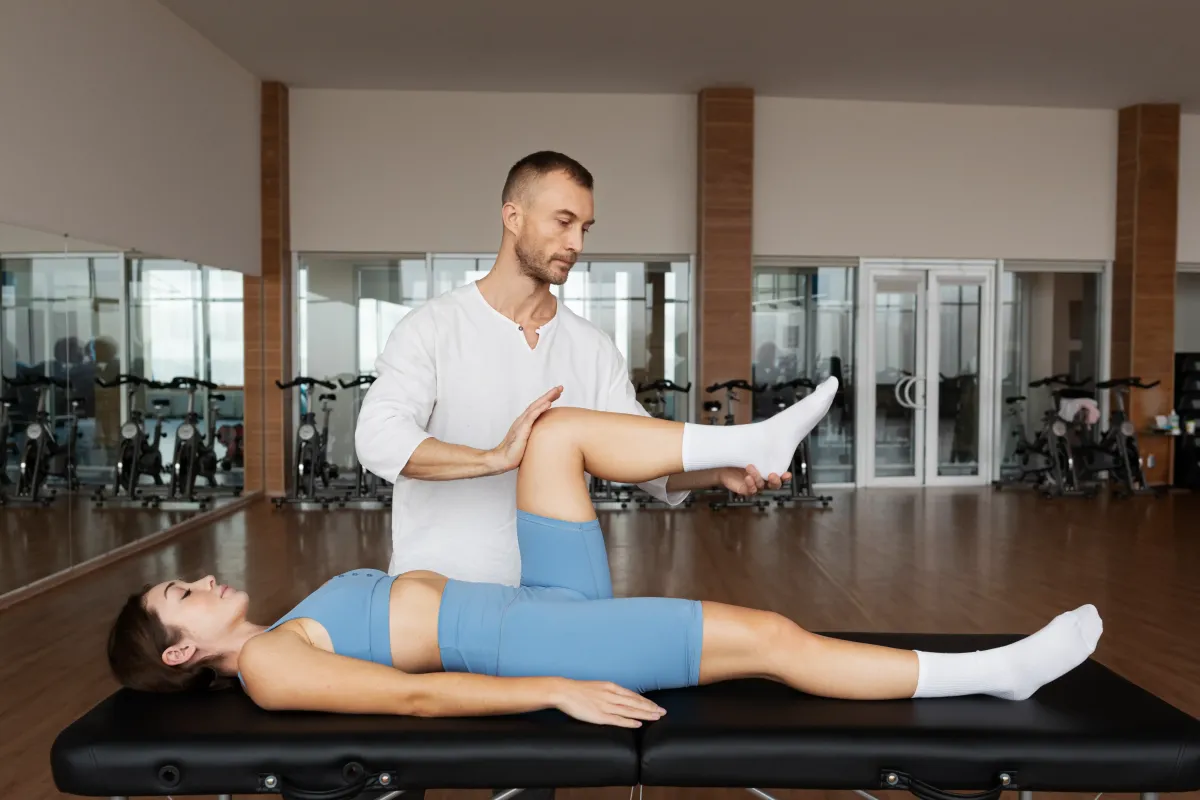
Physical therapy is one of the most effective treatments for biceps femoris tendinopathy because it addresses the root cause, not just the pain. Tendons respond best to controlled, progressive loading. Complete rest often makes things worse by reducing strength and tolerance to movement.
A physical therapist starts by identifying why the tendon became irritated in the first place. That may include poor hip strength, reduced hamstring flexibility, faulty running mechanics, or sudden training changes. Treatment is then tailored to your activity level, goals, and pain tolerance. Physical therapy typically focuses on:
Gradually loading the tendon to stimulate healing
Improving hip and glute strength to offload stress from the hamstring
Restoring knee and hip mobility
Correcting movement patterns during walking, running, or sport
Guiding safe return to activity without flare-ups
Most people notice meaningful improvement within six to eight weeks when therapy is done consistently. Full tendon recovery can take longer, but progress is steady when the load is managed correctly.
Best Exercises for Biceps Femoris Tendinopathy
Exercises should reduce pain over time, not provoke it. Early on, isometric and slow strengthening movements tend to work best. These improve tendon tolerance while keeping symptoms manageable. Commonly used exercises include:
Seated hamstring squeeze
This isometric exercise activates the hamstrings without knee movement. It is helpful in the early stages when bending the knee feels uncomfortable.
Hamstring bridge
Bridges strengthen the hamstrings and glutes together. This combination reduces strain on the biceps femoris tendon during daily movement.
Standing or prone hamstring curls
These help restore strength through controlled knee bending. Resistance is added gradually as pain allows.
Hip hinge movements
Hip hinges improve load sharing between the glutes and hamstrings. Proper form is key to avoid overloading the tendon.
Exercises should feel challenging but not sharp or worsening afterward. Mild discomfort during or after exercise is often acceptable, but pain should settle within 24 hours.
Other Treatment Options That Can Support Recovery
Exercise-based care works best when combined with smart symptom management. These strategies help you stay active while the tendon adapts.
Activity modification
You do not need to stop moving entirely. Reducing intensity, distance, or frequency often allows healing without complete rest.
Heat or ice
Ice may help calm pain after activity, especially early on. Heat can reduce stiffness before movement. Use whichever feels better for your symptoms.
Over-the-counter pain relief
Medications like acetaminophen or NSAIDs can reduce pain short term, but they should not replace proper rehabilitation. Always follow medical advice.
Manual therapy and soft tissue work
Massage and hands-on treatment may improve comfort and mobility, especially when combined with exercise.
Electrical stimulation (TENS)
TENS can help reduce pain sensitivity, making it easier to stay active during recovery.
Corticosteroid injections are sometimes discussed but are generally approached with caution due to potential tendon weakening. They are rarely the first choice for long-term recovery.
How to Prevent Biceps Femoris Tendinopathy From Coming Back
Prevention is about building a tendon that can handle real-life demands. Small changes make a big difference.
Key prevention strategies include:
Warm up dynamically before exercise
Progress training gradually, especially after breaks
Strengthen glutes, hips, and hamstrings consistently
Maintain flexibility without aggressive stretching
Schedule recovery days instead of training through pain
Pay attention to early warning signs
Pain that eases as you warm up but returns later is often the first signal of tendon overload. Adjusting early can prevent months of frustration later.
When to See a Doctor or Physical Therapist
You should seek professional care if:
Pain is worsening or not improving after a few weeks
Walking, stairs, or standing from a chair becomes difficult
Pain interferes with sleep
You notice weakness, numbness, or changes in how you walk
You cannot bear weight comfortably
Early assessment shortens recovery time and helps rule out other causes of posterior knee pain.
Final Thoughts for Patients
Biceps femoris tendinopathy is frustrating, but it is very treatable. The key is understanding that tendons heal slowly and need the right type of movement to recover. Avoiding activity completely or pushing through pain both delay progress.
With the right exercise plan, smart load management, and consistency, most people return to walking, running, and sports without long-term issues. Progress may feel slow at first, but steady improvement is a sign the tendon is adapting and healing. Call (212)-213-3480 today to schedule your evaluation and start moving comfortably again.