

Acupuncture for Trapezius Trigger Points in NYC
Manhattan Physical Therapy
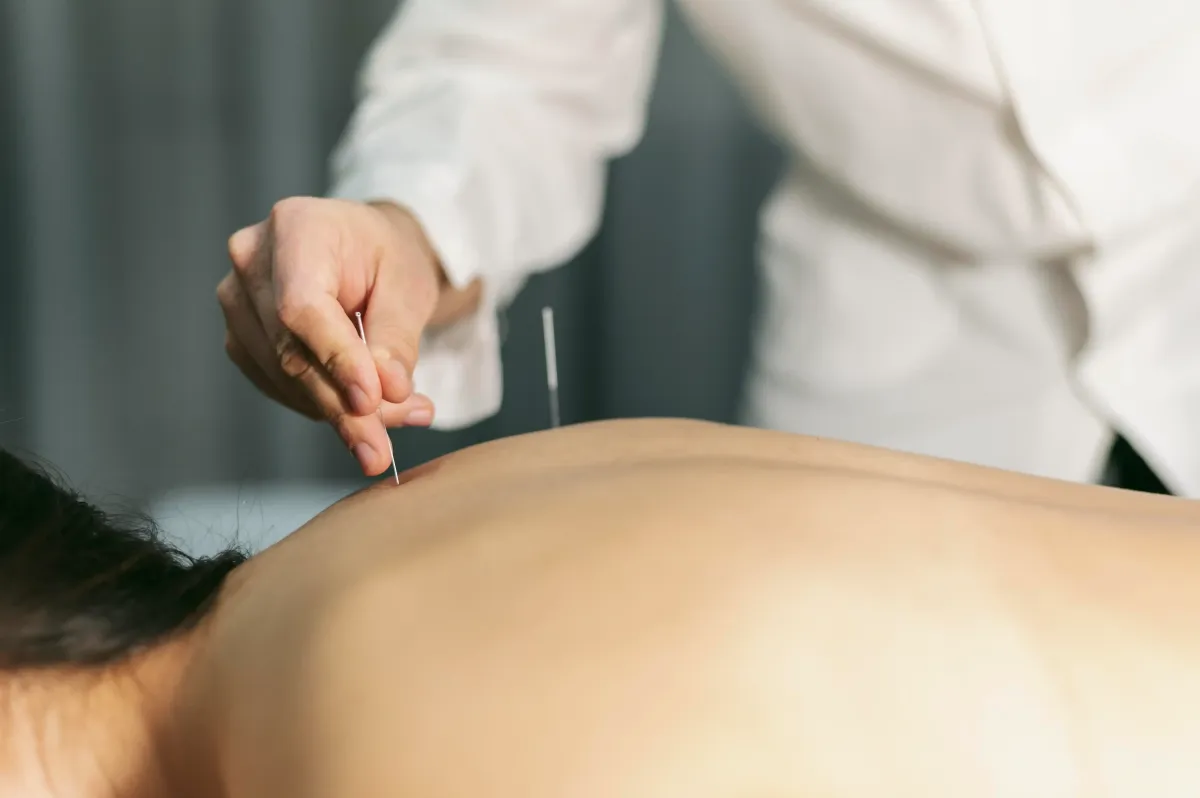
Living in New York City often means long hours at a desk, constant phone use, crowded commutes, and high stress. Over time, these factors can overload the trapezius muscle, leading to stubborn trigger points that cause neck pain, shoulder tension, and even headaches. Acupuncture has become a trusted, evidence-based option for relieving trapezius trigger point pain—especially when conventional stretching or massage no longer provides lasting relief.
At Manhattan Physical Therapy, acupuncture is used as part of a focused, patient-centered approach to address the root cause of trapezius pain rather than masking symptoms. This article explains how trapezius trigger points develop, how they affect daily life, and why acupuncture is a practical solution for people seeking long-term relief in NYC.
What Is the Trapezius Muscle and Why Does It Cause So Much Pain?
The trapezius is a large, triangular muscle that spans from the base of the skull down to the mid-back and out to the shoulders. It plays a major role in posture, head and neck movement, and shoulder stability. The muscle is divided into three regions:
Upper trapezius: Helps lift the shoulders and support head and neck movements
Middle trapezius: Pulls the shoulder blades back and stabilizes them
Lower trapezius: Assists with shoulder blade control during arm movements
Because the trapezius is active during everyday tasks—typing, driving, carrying bags, holding a phone—it is highly prone to overuse. When certain fibers remain tense for prolonged periods, they can develop trigger points, which are tight, sensitive bands within the muscle that restrict blood flow and irritate nearby nerves. Once trigger points form, the muscle may feel tight even at rest, and pain can appear in areas far from the actual problem.
What Are Trapezius Trigger Points and How Do They Feel?
Trapezius trigger points are hypersensitive spots within tight muscle bands. Pressing on them often reproduces familiar pain patterns, which is one reason they are frequently mistaken for migraines, sinus pain, or joint problems. Common symptoms include:
Aching or burning pain in the back of the neck or shoulders
Pain between the shoulder blades or along the upper back
Tension headaches, temple pain, or pain behind the eyes
Jaw or cheek discomfort that mimics sinus issues
Difficulty holding the arms up for tasks like folding laundry or styling hair
Different regions of the trapezius produce different pain patterns. Upper trapezius trigger points often refer pain to the head and neck, while middle and lower trapezius trigger points commonly cause deep interscapular or upper back pain. Many people have more than one active trigger point, which can make symptoms feel widespread and confusing.
What Causes Trapezius Trigger Points to Develop?
Trapezius trigger points rarely come from a single event. In NYC patients, they usually develop from a combination of physical strain and daily habits.
Common contributing factors include:
Prolonged desk work with poor posture
Frequent phone or laptop use with shoulders elevated
Carrying heavy bags or backpacks on one side
Stress-related muscle tension
Old injuries, car accidents, or sudden trauma
Sleeping positions that strain the neck and shoulders
Over time, these factors overload specific fibers of the trapezius muscle. Reduced circulation, muscle fatigue, and nerve sensitivity create the perfect environment for trigger points to form and persist.
Why Acupuncture Is Effective for Trapezius Trigger Points
Acupuncture works by targeting dysfunctional muscle tissue and the nervous system simultaneously. When fine needles are placed into trapezius trigger points or related acupuncture points, several beneficial effects occur:
Local muscle fibers relax and lengthen
Blood flow improves to oxygen-starved tissue
Pain signals to the brain are reduced
The nervous system shifts out of a chronic stress response
Research has consistently shown that acupuncture and dry needling can significantly reduce pain and improve neck mobility in people with upper trapezius trigger points. Unlike temporary relief from heat or massage alone, acupuncture helps reset the muscle and nervous system, making it easier to maintain results with posture correction and movement-based care.
How Acupuncture for Trapezius Trigger Points Is Performed
During an acupuncture session for trapezius trigger points, treatment begins with a detailed assessment of posture, neck mobility, shoulder movement, and pain referral patterns. Trapezius trigger points are identified through careful palpation of taut muscle bands rather than relying only on where the pain is felt.
Very thin, sterile needles are then inserted into specific trigger points within the upper, middle, or lower trapezius, depending on your symptoms. These needles may also be placed in related acupuncture points along the neck, shoulders, and upper back to support nervous system regulation and muscle balance. Patients often notice:
A brief twitch or dull ache when a trigger point releases
Gradual softening of tight muscle bands
A sense of warmth or reduced pressure in the neck and shoulders
The session typically lasts 20–30 minutes. Most people tolerate the treatment well, and many report noticeable improvement in pain or movement within the first few sessions.
Can Acupuncture Help with Headaches Caused by Trapezius Trigger Points?
Yes. One of the most overlooked causes of tension-type headaches and temple pain is active trigger points in the upper trapezius. These trigger points frequently refer pain to the base of the skull, temples, forehead, and behind the eyes. Acupuncture helps by:
Releasing trigger points that refer pain upward into the head
Reducing sustained muscle tension at the neck–skull junction
Calming the nervous system response linked to stress-related headaches
How Many Sessions Are Needed to See Results?
The number of acupuncture sessions needed varies depending on how long the trigger points have been present, activity level, stress load, and posture habits. General timelines:
Recent or mild symptoms: Improvement may be felt within 1–3 sessions
Chronic trapezius pain or headaches: Often requires 4–8 sessions
Long-standing postural or work-related issues: May benefit from periodic maintenance care
Many patients notice early relief but achieve longer-lasting results when acupuncture is combined with corrective exercises, ergonomic changes, and stress management strategies.
What Makes Trapezius Pain Persist Without Proper Treatment?
Trapezius trigger points tend to return when the underlying causes are not addressed. Stretching alone often fails because trigger points involve altered muscle chemistry and nerve sensitivity, not just tightness. Without targeted treatment, patients may experience:
Recurring neck and shoulder pain
Persistent upper back burning or stiffness
Reduced tolerance to desk work or lifting
Ongoing headaches despite medication
Acupuncture interrupts this cycle by directly treating the trigger points and supporting healthier muscle activation patterns.
When Should You Seek Professional Care for Trapezius Trigger Points?
You should consider professional treatment if:
Pain has lasted more than a few weeks
Headaches or neck pain keep returning
Shoulder tension interferes with sleep or work
Home remedies no longer help
Early treatment often prevents trigger points from becoming chronic and spreading to nearby muscles such as the levator scapulae, rhomboids, or jaw muscles.
At Manhattan Physical Therapy, acupuncture for trapezius trigger points is integrated with movement-based care to help patients in NYC return to daily activities with less pain, better posture, and improved comfort. Call us at (212)-213-3480 to schedule an acupuncture appointment and start feeling real relief.
What Do They Say About Us?
Alexander Liu
"Everyone on the team at Manhattan Physical Therapy is super nice and caring. They were able to pretty quickly diagnose my knee and hip problems and immediately put me to work to reduce the pain."
Henry Myerberg
"You're not just a patient when you come to the Manhattan Physical Therapy. You feel like family there. In particular, Erica with her colleagues John, Lidia and Joe not only fix and improve you physically, they make you feel welcomed and cared for.."
Hakyung Kim
"Everyone is so kind and helpful! my knee and hip pain have improved massively since starting Manhattan PT, highly recommend to anyone. special thanks to Bianca, Lidia, Joe, and John!."
Manhattan Physical Therapy
✆ Phone (appointments):
(212) 213-3480
Address: 385 5th Ave, Suite 503, New York, NY 10016


