

Acupuncture for Tensor Fasciae Latae Pain in NYC
Manhattan Physical Therapy
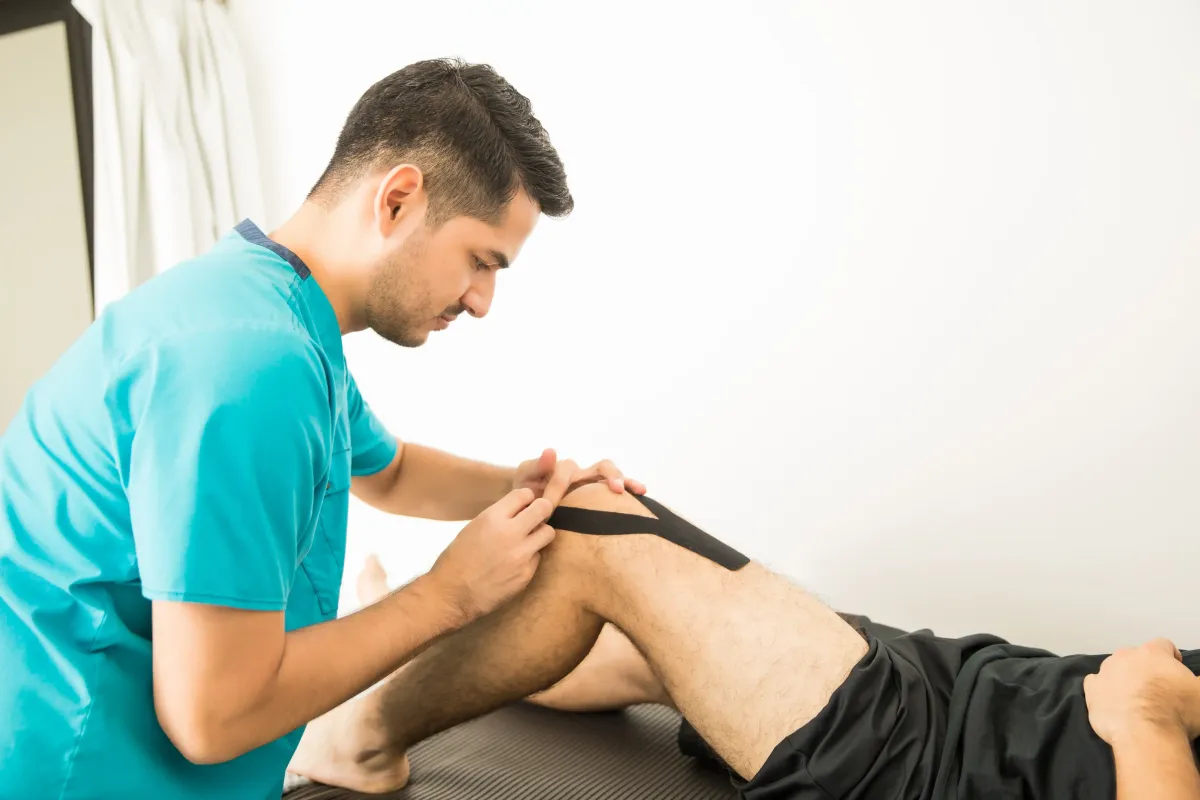
Outer hip pain can be surprisingly difficult to pinpoint. You may feel an ache at the side of your hip, tightness along the outer thigh, or pain that seems to travel toward the knee. In some cases, the tensor fasciae latae (TFL), a small muscle at the front and outer part of the hip, is contributing to those symptoms.
The TFL works with the gluteal muscles and iliotibial (IT) band to control hip movement and stabilize the pelvis during walking, running, and other weight-bearing activities. When it becomes overloaded or develops myofascial trigger points, it can produce pain that resembles IT band syndrome, trochanteric bursitis, or other sources of lateral hip pain.
Acupuncture may be one option for managing TFL-related pain, particularly when muscle tension and trigger points are part of the problem. However, treatment should begin with identifying why the TFL is being overloaded rather than simply treating the painful spot.
What Is the Tensor Fasciae Latae?
The tensor fasciae latae is a relatively small muscle located at the front and outer portion of the hip. It originates near the anterior superior iliac spine (ASIS) and connects into the IT band, which continues down the outside of the thigh toward the upper part of the tibia. The TFL helps with three main hip movements:
Hip flexion
Hip abduction
Medial rotation
It also contributes to pelvic and knee stability during activities such as walking and standing on one leg. The TFL works closely with the gluteus medius and gluteus minimus, so problems with hip strength or movement control can increase the workload placed on this smaller muscle.
What Does TFL Pain Feel Like?
TFL pain is commonly felt around the outer or front-side portion of the hip and may extend down the anterolateral thigh toward the knee. Some people describe it as a deep ache, tightness, tenderness, or a pulling sensation. Pain may become more noticeable when you:
Walk or run for longer periods
Climb stairs or hills
Stand on one leg
Move the hip repeatedly
Sit with the hip bent for extended periods
Lie on the painful side
Why Does the TFL Become Tight or Overworked?
TFL problems often develop when the muscle repeatedly takes on more work than it should. Running, cycling, frequent stair climbing, prolonged sitting, altered movement patterns, and repetitive hip movements can all contribute. Common factors include:
Overuse
Activities involving repetitive hip flexion, such as running and cycling, can increase demand on the TFL. Training on hills, sloped surfaces, or other challenging terrain may further increase the load.
Poor Hip Stability
The TFL works alongside the gluteal muscles to stabilize the pelvis. If the gluteus medius or other hip stabilizers are not contributing effectively, the TFL may compensate by remaining more active during movement.
Prolonged Sitting
Spending much of the day sitting keeps the hip in a flexed position. For some people, this can contribute to stiffness and increased muscle tension, particularly when combined with limited movement throughout the day.
Movement and Gait Changes
Changes elsewhere in the kinetic chain can affect the TFL. Foot and ankle mechanics, pelvic control, previous injuries, or changes in running and walking patterns may alter how forces are distributed through the hip.
Trigger Points
A trigger point is a sensitive area within a muscle that can reproduce local or referred pain when stimulated. TFL trigger points may refer discomfort into the outer hip and thigh, sometimes reaching toward the knee.
How Can Acupuncture Help TFL Pain?
Acupuncture uses very thin needles placed at selected points to influence pain and muscle function. For TFL-related pain, treatment may include needling around the affected muscle or other areas relevant to the person's movement and pain pattern.
One potential target is myofascial trigger-point pain. A systematic review and meta-analysis published in 2025 included 13 randomized controlled trials and found that trigger-point needling produced greater improvements in pain scores than other non-pharmacological treatments, although the authors noted that higher-quality research is still needed.
Earlier research has also found potential benefits. A systematic review of 10 randomized controlled trials reported that manual acupuncture directed at myofascial trigger points was associated with lower pain intensity and improved pressure pain thresholds compared with sham treatment. The analysis reported a standardized mean difference of -0.90 for pain intensity after trigger-point stimulation.
These findings do not prove that acupuncture will resolve every case of TFL pain. They do suggest that needling may be useful when myofascial trigger points and muscle sensitivity are contributing to symptoms.
What Happens During Acupuncture for TFL Pain?
Before treatment, the practitioner should assess where you feel pain, what movements aggravate it, and whether the TFL is actually contributing to your symptoms. This matters because outer hip pain can come from several structures, and treating the wrong area may not address the underlying problem.
If TFL-related trigger points are identified, very thin sterile needles may be placed into the affected muscle and other clinically relevant areas. Some people feel a brief twitch, pressure, or aching sensation during needling. Others feel very little.
Treatment time varies, but the needling portion of a session may last around 20 to 30 minutes. Your response is monitored throughout the session, and treatment can be adjusted depending on your symptoms and tolerance.
You may notice reduced tenderness or easier hip movement after treatment, although improvement is not necessarily immediate. For persistent or recurring pain, acupuncture is generally more useful when combined with an active rehabilitation plan rather than used as a stand-alone treatment.
Acupuncture vs. Dry Needling for TFL Pain
Acupuncture and dry needling both use thin needles, but they are not identical approaches.
Dry needling generally focuses on musculoskeletal problems such as trigger points, taut muscle bands, and pain associated with movement. Acupuncture may use local points as well as other points based on the practitioner's assessment and treatment approach.
The terminology can also vary between practitioners and states, so the most important question is not simply which technique is being used. Ask what the treatment is intended to address and how it fits into your overall plan.
Research supports needling approaches for myofascial pain, but the evidence does not establish that one technique is universally best for every person or every TFL problem. A 2025 meta-analysis of 13 randomized trials found that trigger-point needling reduced pain more than comparison non-pharmacological treatments, with a mean difference of 1.32 points on the Visual Analog Scale. The researchers also emphasized the need for higher-quality trials.
Should Acupuncture Be Combined With Physical Therapy?
Often, yes.
Acupuncture may help reduce pain and muscle sensitivity, but it does not automatically correct the movement or strength issue that caused the TFL to become overloaded. Once pain is better controlled, treatment may include:
Strengthening the gluteus medius and other hip stabilizers
Improving single-leg balance and pelvic control
Correcting gait or running mechanics
Gradually increasing activity tolerance
Addressing contributing foot, ankle, or lower-back mechanics
Using mobility exercises where they are actually needed
How Many Acupuncture Sessions Might You Need?
There is no fixed number of sessions that works for everyone with TFL pain. The appropriate treatment frequency depends on whether the problem is recent, recurrent, or associated with a broader movement disorder.
Someone with a recent muscle overload may respond differently from someone who has had outer hip pain for several months. Rather than committing to a predetermined number of treatments, progress should be judged by practical changes such as:
Less pain during walking or exercise
Improved hip movement
Better tolerance for sitting or standing
Reduced tenderness around the TFL
Improved single-leg control
Fewer symptoms during activities that previously triggered pain
Is Acupuncture Safe for TFL Pain?
Acupuncture is generally considered safe when performed by a qualified practitioner using sterile, single-use needles. Minor effects such as temporary soreness, bruising, or slight bleeding can occur. Serious complications are uncommon, but improper technique can cause infections or other injuries.
Tell your provider about medications, bleeding disorders, pregnancy, or other medical conditions before treatment. Your practitioner can determine whether acupuncture is appropriate or whether modifications are necessary.
You should also seek medical evaluation rather than relying on acupuncture alone if hip pain follows significant trauma, causes marked weakness, prevents you from bearing weight, or occurs with other concerning symptoms.
When Should You See a Physical Therapist for TFL Pain?
Consider an evaluation if your outer hip or thigh pain:
Continues despite rest or activity modification
Keeps returning after temporary relief
Interferes with walking, running, stairs, or sleep
Extends toward the knee
Is accompanied by weakness or changes in your gait
Has not improved with stretching or foam rolling
Acupuncture for TFL Pain
For people dealing with persistent TFL pain in New York City, acupuncture can be considered as part of a broader, individualized treatment plan. The strongest evidence supports acupuncture and trigger-point needling for certain types of myofascial pain, but there is not enough research to claim that acupuncture alone will resolve every case of TFL pain.
At Manhattan Physical Therapy, treatment can focus on identifying the factors contributing to your hip pain and combining appropriate hands-on care, movement-based rehabilitation, strengthening, and other treatments when indicated.
If outer hip or thigh pain is interfering with your daily activities, schedule an evaluation to determine whether the TFL is contributing to your symptoms and what treatment approach is most appropriate. Call (212) 213-3480 or schedule an appointment today.
Manhattan Physical Therapy
✆ Phone (appointments):
(212) 213-3480
Address: 385 5th Ave, Suite 503, New York, NY 10016


