

Acupuncture for Spinal Stenosis Pain in NYC
Manhattan Physical Therapy
What Is Spinal Stenosis and Why Does It Cause Pain?
Spinal stenosis is a condition where the spaces inside the spine narrow, putting pressure on the spinal cord and nearby nerves. This compression is what leads to pain, stiffness, and changes in mobility.
Most cases affect the lower back (lumbar spine), though it can also occur in the neck. As the space tightens, nerves don’t have enough room to function properly. That’s when symptoms start to show up in everyday life. People with spinal stenosis often notice:
Pain in the lower back or neck that worsens with standing or walking
Relief when bending forward or sitting
Numbness or tingling in the legs, feet, or arms
Weakness that affects balance or movement
Difficulty walking even short distances
For many, this isn’t just occasional discomfort. It can slowly take over daily routines, limiting how far you can walk, how long you can stand, and even how well you sleep.
What Causes Spinal Stenosis in Adults?
In most cases, spinal stenosis develops gradually with age. The spine goes through natural wear and tear, and over time, those changes can reduce the space available for nerves.
Common causes include:
Thickened ligaments that crowd the spinal canal
Bone spurs forming due to arthritis
Previous spine injuries or surgeries
Conditions like osteoporosis or rheumatoid arthritis
This is why spinal stenosis is more common after the age of 50. It’s usually not caused by one single issue, but rather a combination of structural changes that build up over time.
Getting an accurate diagnosis matters. Imaging like MRI or X-rays helps confirm whether stenosis is the true source of pain, which is important before choosing any treatment path.
How Does Acupuncture Help With Spinal Stenosis Pain?
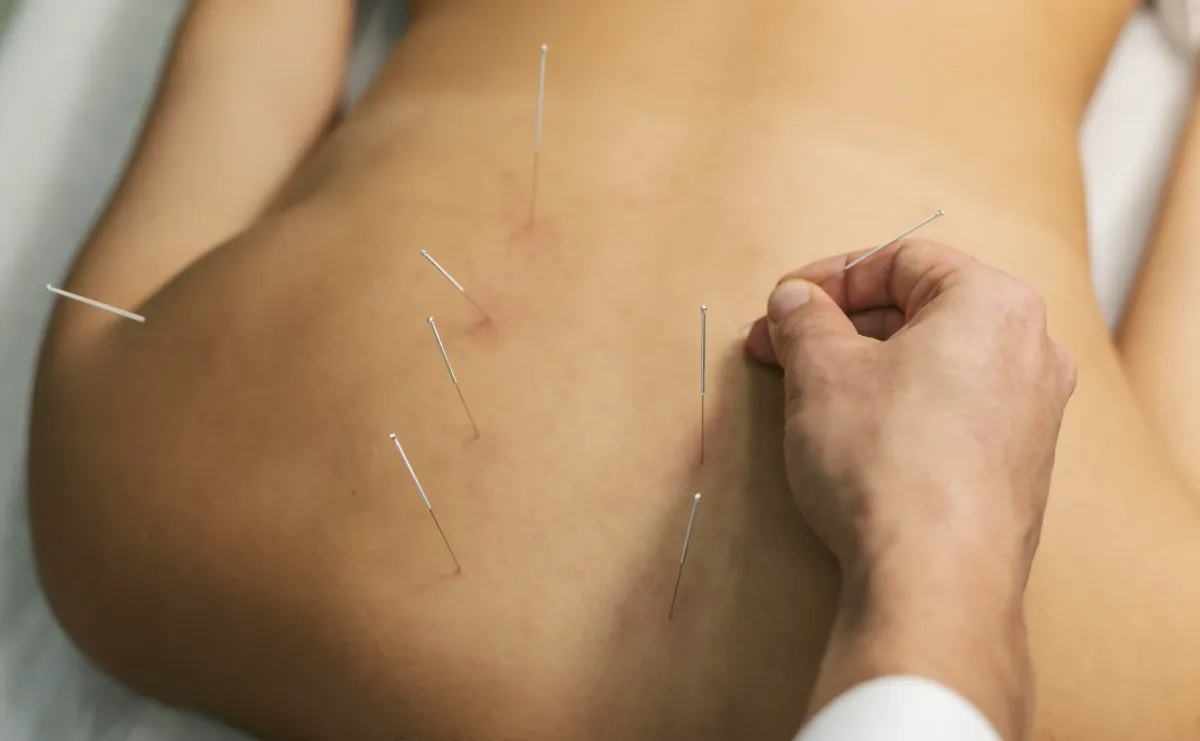
Acupuncture focuses on reducing pain and improving how your body functions without relying on medication or invasive procedures. It works by stimulating specific points on the body using very thin, sterile needles.
For spinal stenosis, the goal isn’t to “open” the spine directly. Instead, treatment targets the effects of nerve compression, especially pain, inflammation, and muscle tightness. Here’s how acupuncture can help:
Pain relief
Acupuncture encourages the release of endorphins, your body’s natural painkillers. This can reduce both lower back pain and the nerve-related pain that travels into the legs.
Reduced inflammation
Inflammation around compressed nerves can make symptoms worse. Acupuncture has been shown to calm this response, which may ease pressure and discomfort.
Improved circulation
Better blood flow helps deliver oxygen and nutrients to irritated tissues. This supports healing and reduces stiffness in the lower back and surrounding muscles.
Muscle relaxation
Tight muscles can add extra strain to an already sensitive spine. Acupuncture helps release that tension, which can improve mobility and reduce nerve irritation.
Nervous system regulation
It also helps “quiet down” overactive pain signals. Many patients report feeling more relaxed after sessions, which plays a role in long-term pain control.
What Does Research Say About Acupuncture for Spinal Stenosis?
The evidence is still growing, but current research is encouraging.
Clinical studies have shown that acupuncture can improve:
Pain levels
Walking ability and physical function
Overall quality of life
In controlled trials comparing real acupuncture with sham treatments, patients receiving true acupuncture often report better outcomes over time. Improvements are especially noticeable when acupuncture is part of a broader treatment plan.
It’s important to be realistic. Acupuncture is not a cure for spinal stenosis, especially in severe structural cases. But it can be a practical way to manage symptoms, reduce reliance on medication, and improve day-to-day function.
What Can You Expect During Acupuncture Treatment?
If you’ve never tried acupuncture before, the process is usually simpler than people expect. It starts with a detailed evaluation of your symptoms, medical history, and movement patterns.
At Manhattan Physical Therapy, the focus is on understanding how spinal stenosis is affecting your daily life, not just where it hurts. A typical session includes:
A short assessment of pain levels, mobility, and nerve-related symptoms
Placement of very thin, sterile needles in targeted points
A resting period of about 20–30 minutes while the needles stay in place
Gentle adjustments based on how your body responds over time
Most patients describe the sensation as mild or barely noticeable. Many even feel relaxed enough to fall asleep during the session. Treatment plans vary, but a common approach is:
2–3 sessions per week in the beginning
Gradual reduction as symptoms improve
Reassessment every few weeks to track progress
Some people feel relief after just a few sessions. Others need more time, especially if symptoms have been present for years.
How Does Acupuncture Compare to Other Treatments?
Spinal stenosis is usually managed with a combination of treatments. Acupuncture fits into this as a conservative, low-risk option. Here’s how it compares:
Medications
Pain relievers and anti-inflammatory drugs can help in the short term, but they don’t address the underlying dysfunction. Long-term use may also come with side effects.
Physical therapy
This is one of the most effective non-surgical options. It focuses on strengthening, posture, and movement. Acupuncture often works well alongside it by reducing pain so you can move more comfortably.
Steroid injections
These can reduce inflammation quickly, but results are often temporary. They may be helpful in more severe flare-ups.
Surgery
In advanced cases, surgery may be necessary to relieve pressure on the nerves. However, many patients try conservative care first to avoid or delay it.
Acupuncture sits in a unique place. It doesn’t replace these treatments, but it can make them more effective by lowering pain and improving tolerance to movement-based therapy.
When Should You Consider Acupuncture for Spinal Stenosis?
Acupuncture can be a good option if:
You have ongoing back or leg pain that limits daily activity
Walking or standing triggers symptoms
You want to reduce reliance on pain medication
You’re not ready for surgery or want to avoid it
Other conservative treatments haven’t provided enough relief
It’s especially useful in moderate cases where symptoms are persistent but not severe enough to require immediate surgical intervention. That said, certain symptoms need urgent medical attention, such as:
Loss of bowel or bladder control
Severe or rapidly worsening weakness
Numbness in the groin or inner thighs
In those situations, you should seek immediate medical care before considering any alternative therapy.
Can Acupuncture Be Combined With Other Therapies?
Yes, and in many cases, it works better that way.
A combined approach often gives more consistent results because spinal stenosis affects multiple systems, including joints, muscles, and nerves. Common combinations include:
Physical therapy
Improves strength, flexibility, and posture while acupuncture helps manage pain.
Massage therapy
Reduces muscle tension and improves circulation around the spine.
Exercise programs
Low-impact activities like walking or guided stretching can help maintain mobility.
Lifestyle adjustments
Weight management, posture correction, and activity modification all play a role in long-term relief.
This kind of integrated plan is often what leads to the best outcomes, especially for patients dealing with chronic symptoms.
How Long Does It Take to See Results?
This depends on several factors:
Severity of spinal narrowing
Duration of symptoms
Overall health and activity level
Consistency of treatment
In general:
Some patients notice early relief within 2–4 sessions
More stable improvements often appear after a few weeks
Long-term management may require periodic maintenance sessions
If spinal stenosis pain is limiting your daily life, it’s time to take action. Call (212)-213-3480 to schedule your evaluation and see if acupuncture is the right fit for you.
What Do They Say About Us?
Alexander Liu
"Everyone on the team at Manhattan Physical Therapy is super nice and caring. They were able to pretty quickly diagnose my knee and hip problems and immediately put me to work to reduce the pain.."
Henry Myerberg
"You're not just a patient when you come to the Manhattan Physical Therapy. You feel like family there. In particular, Erica with her colleagues John, Lidia and Joe not only fix and improve you physically, they make you feel welcomed and cared for.."
Hakyung Kim
"Everyone is so kind and helpful! my knee and hip pain have improved massively since starting Manhattan PT, highly recommend to anyone. special thanks to Bianca, Lidia, Joe, and John!"
Manhattan Physical Therapy
✆ Phone (appointments):
(212) 213-3480
Address: 385 5th Ave, Suite 503, New York, NY 10016


