

Acupuncture for Groin Pain in NYC
Manhattan Physical Therapy
What Is Groin Pain and Why Does It Happen?
Groin pain refers to discomfort in the area where the lower abdomen meets the inner thigh. For many people, especially athletes or individuals who stay physically active, this pain can interfere with exercise, work, and even simple daily movements like walking or getting out of a chair.
The groin region is complex. Several muscles, tendons, nerves, and joints meet in this area, which means pain can come from different sources. Instead of being a single condition, groin pain is usually a symptom of an underlying problem.
Some of the most common causes include:
Muscle strains:
Sudden movements, overstretching, or lifting heavy weights can strain the muscles in the inner thigh or hip flexors.
Adductor injuries:
The adductor muscle group along the inner thigh helps bring the legs together. These muscles are frequently injured in sports that involve quick direction changes, such as soccer, basketball, or tennis.
Hip flexor strains:
The hip flexors help lift the knee and bend the hip. Overuse or forceful movements can cause pain that is often felt directly in the groin.
Tendon inflammation (tendinitis):
Repetitive stress can inflame the tendons that attach muscles to bone.
Hip joint problems:
Conditions affecting the hip joint can refer pain to the groin area.
Nerve irritation:
Compressed or irritated nerves around the pelvis may also cause persistent groin discomfort.
Because several structures overlap in this region, identifying the exact cause of pain can be challenging. That is why many patients benefit from a comprehensive approach to treatment rather than relying on a single method.
Why Groin Pain Is Common in Active People
Groin injuries account for a significant percentage of sports-related problems, especially in activities that require powerful leg movements. Runners, weightlifters, soccer players, martial artists, and hockey players often experience these injuries because the groin muscles are constantly under tension.
Groin injuries account for a significant percentage of sports-related problems, especially in activities that require powerful leg movements. Runners, weightlifters, soccer players, martial artists, and hockey players often experience these injuries because the groin muscles are constantly under tension.
Several factors increase the risk of groin pain:
Sudden increases in training intensity
Repetitive hip movements
Muscle imbalances
Limited flexibility
Insufficient recovery time
When the muscles and tendons around the pelvis are repeatedly stressed, small tears can develop. Over time, these micro-injuries may lead to chronic pain, stiffness, and reduced mobility.
Traditional treatments such as rest, physical therapy, and anti-inflammatory medication are often recommended first. However, some patients continue to experience discomfort even after these measures. In those cases, acupuncture can provide an additional option for managing pain and promoting recovery.
How Acupuncture Helps Relieve Groin Pain
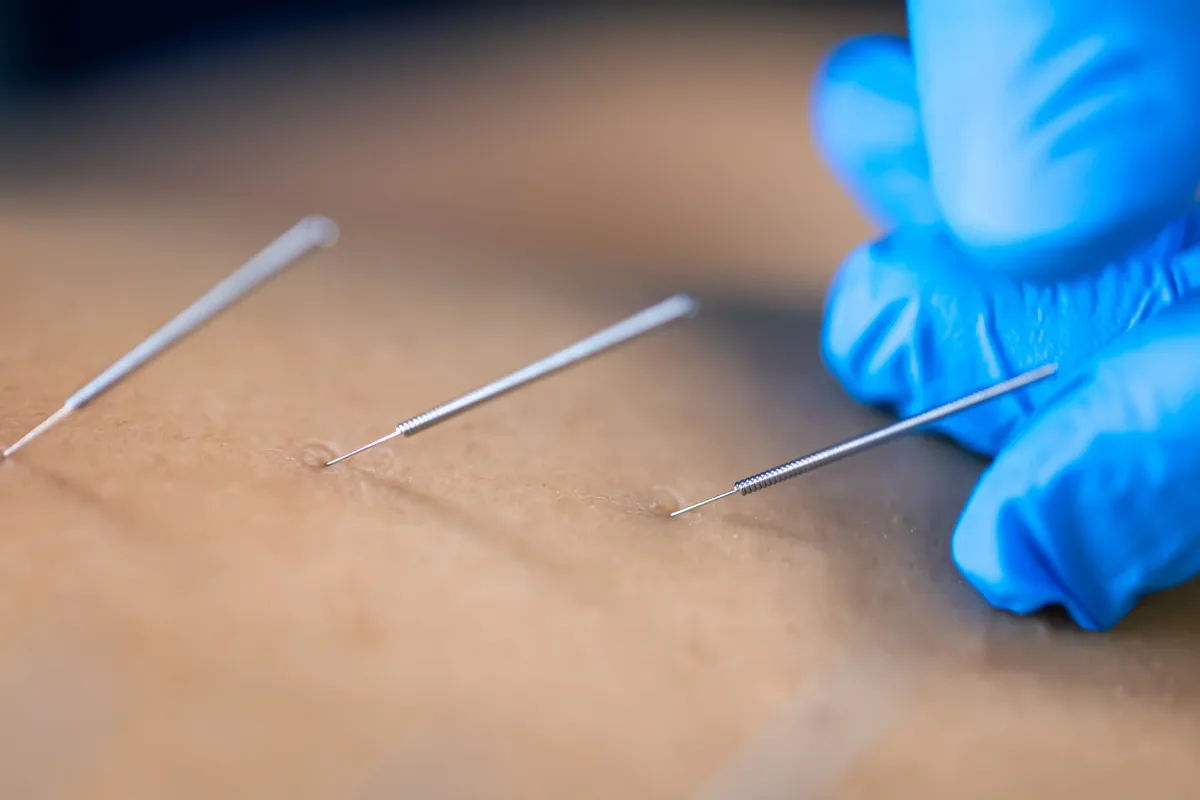
Acupuncture is a treatment that involves placing very thin, sterile needles into specific points on the body. These points are chosen to influence muscles, nerves, and circulation in targeted areas.
Although acupuncture has roots in traditional medicine, modern research shows that it can trigger measurable physiological responses in the body. These responses can help reduce pain and support healing. Here are several ways acupuncture may help people dealing with groin pain.
Natural pain relief
Acupuncture stimulates the nervous system and encourages the body to release endorphins. These natural chemicals act as the body’s built-in pain relievers and can reduce discomfort without relying solely on medication.
Improved blood circulation
Healthy circulation is essential for healing injured tissues. Acupuncture can increase blood flow to the affected region, delivering oxygen and nutrients that support muscle and tendon recovery.
Reduced inflammation
Inflammation often contributes to persistent groin pain. Acupuncture has been shown to influence inflammatory responses in the body, which may help calm irritated tissues and reduce swelling.
Relaxation of tight muscles
Muscle tension is common after an injury. By targeting specific trigger points, acupuncture can help release tight muscle fibers and restore more natural movement patterns.
Support for nerve function
In cases where groin pain is linked to nerve irritation, acupuncture may help regulate nerve signaling and decrease sensitivity.
Because of these effects, acupuncture is often used alongside other conservative treatments such as rehabilitation exercises, stretching programs, and activity modification.
The Role of Inner Thigh Muscles in Groin Pain
One of the most common sources of groin pain is injury to the adductor muscles, particularly the adductor magnus. These muscles sit along the inner thigh and play an important role in stabilizing the hips and controlling leg movement.
The adductor magnus is the largest muscle in this group and performs several key actions:
Bringing the leg toward the midline of the body
Assisting with hip rotation
Helping extend the hip during movements like standing up or climbing stairs
Because of its size and function, the adductor magnus works hard during activities such as squats, lunges, sprinting, and cycling. Overuse or sudden overload can lead to muscle strain or trigger points within the muscle.
Trigger points are small areas of tight muscle fibers that can cause deep, aching pain. When these points develop in the adductor magnus, they may refer pain to several areas, including:
The groin
The inner thigh
The lower pelvis
The region near the pubic bone
In some cases, patients describe the pain as deep and difficult to pinpoint. This is one reason groin injuries are sometimes misdiagnosed as hip joint problems or lower back issues.
Acupuncture and dry needling techniques can target these trigger points directly. By relaxing the affected muscle fibers and improving circulation in the area, these treatments may help reduce pain and restore normal muscle function.
What Groin Injuries Can Acupuncture Help Treat?
Groin pain can develop from several different injuries, particularly in people who participate in sports or activities that involve sudden movements, twisting, or heavy lower body loading. Identifying the source of the pain is important because each injury affects different muscles and tissues. Acupuncture can be helpful in addressing several common causes of groin discomfort.
Hip Flexor Strain
Hip flexor strains are a frequent cause of groin pain. The hip flexors include muscles such as the iliopsoas and rectus femoris, which allow you to lift your knee and bend your hip.
These muscles are heavily used in activities like sprinting, kicking, cycling, and weightlifting. When they are overstretched or forced to contract suddenly, small tears may develop within the muscle fibers. Symptoms often include:
Pain in the groin or front of the hip
Tightness during movement
Discomfort when lifting the knee or bending forward
Increased pain during activity
Mild and moderate strains usually respond well to conservative treatment. Acupuncture can help relax tight muscles, improve blood circulation, and reduce pain during the recovery process.
Adductor Muscle Strain
Adductor strains are among the most common groin injuries in athletes. These muscles run along the inner thigh and help pull the legs together while stabilizing the pelvis during movement.
Sports that involve sudden direction changes place a great deal of stress on these muscles. Soccer, hockey, tennis, basketball, and martial arts are common examples. When an adductor strain occurs, people may experience:
Sharp pain in the groin during activity
Tenderness along the inner thigh
Stiffness or weakness when bringing the legs together
Pain that worsens with running or cutting movements
Acupuncture can assist recovery by targeting the affected muscles and surrounding tissues. By reducing inflammation and encouraging circulation, the body may repair damaged fibers more efficiently.
Lower Rectus Abdominis Strain
Another lesser-known source of groin pain is the lower portion of the rectus abdominis, the abdominal muscle often associated with the “six-pack.” This muscle attaches near the pubic bone. When the lower fibers are strained, pain can radiate directly into the groin area. This type of injury can occur during:
Rotational sports movements
Sudden trunk extension
Falls or high-impact activities
Heavy lifting
Because the abdominal muscles connect closely with the pelvis and hip structures, treatment often needs to address both regions. Acupuncture can help calm irritated tissues and support the healing process.
What Happens During an Acupuncture Session for Groin Pain?
Many patients are unsure what to expect during their first acupuncture appointment. The process is typically gentle and designed to address the root cause of pain rather than simply masking symptoms. A typical session may include the following steps.
Comprehensive assessment
The practitioner begins by evaluating the source of the groin pain. This may include discussing symptoms, reviewing activity history, and examining how the hips and pelvis move.
Selection of treatment points
Specific acupuncture points are chosen based on the individual condition. These points may be located near the groin, inner thigh, lower abdomen, or even areas further away that influence the same nerve and muscle pathways.
Common points used for groin pain treatment include areas associated with improving circulation, reducing inflammation, and relaxing the muscles surrounding the pelvis.
Needle placement
Very thin, sterile needles are inserted into the selected points. Most people feel little to no discomfort during this step. Some may notice a mild tingling or heaviness sensation, which is considered a normal therapeutic response.
Relaxation period
The needles usually remain in place for about 15 to 20 minutes while the patient rests comfortably. During this time, the body begins responding to the stimulation by releasing natural pain-relieving chemicals and improving blood flow.
Post-treatment response
Many patients report feeling looser and more relaxed after a session. Some notice immediate improvement in pain levels, while others experience gradual progress over several treatments.
How Many Acupuncture Sessions Are Usually Needed?
The number of acupuncture sessions required depends on several factors, including the severity of the injury, how long symptoms have been present, and how the body responds to treatment. In general, treatment may follow a structure similar to the following.
Early phase of treatment
For recent injuries, treatments may be scheduled two or three times per week. This helps control pain and inflammation while jump-starting the healing process.
Recovery phase
As symptoms improve, the frequency often decreases to once per week. These sessions continue supporting tissue repair while restoring normal movement patterns.
Maintenance phase
For people with recurring groin problems or those involved in demanding physical activities, occasional sessions may help maintain muscle balance and prevent reinjury.
Some mild muscle strains improve significantly within a few sessions. More persistent or moderate injuries may require a longer treatment plan over several weeks.
Consistency is important. Regular sessions allow the body to build on the benefits of each treatment and support a more complete recovery.
Additional Benefits of Acupuncture for Athletes and Active Individuals
People dealing with groin injuries often want to return to their activities as quickly and safely as possible. Acupuncture can be particularly helpful for active individuals because it addresses several aspects of recovery.
Potential benefits include:
Faster muscle recovery
Reduced muscle tension
Improved mobility
Lower risk of chronic pain
Many athletes combine acupuncture with rehabilitation exercises, stretching programs, and movement training to support long-term performance and injury prevention.
When to Seek Treatment for Groin Pain
While minor groin discomfort sometimes improves with rest, persistent pain should not be ignored. Continuing to train or exercise through pain can worsen the injury and prolong recovery. You should consider professional evaluation if you experience:
Pain that lasts more than a few days
Groin pain that worsens with movement
Difficulty walking, running, or lifting the leg
Recurring groin injuries during sports or workouts
Stiffness or weakness that affects performance
If you are looking for acupuncture for groin pain in NYC, the team at Manhattan Physical Therapy can help evaluate your condition and develop a treatment plan focused on restoring comfort and mobility. Call (212)-213-3480 to schedule an appointment and take the first step toward recovery.
What Do They Say About Us?
Alexander Liu
"Everyone on the team at Manhattan Physical Therapy is super nice and caring. They were able to pretty quickly diagnose my knee and hip problems and immediately put me to work to reduce the pain.."
Henry Myerberg
"You're not just a patient when you come to the Manhattan Physical Therapy. You feel like family there. In particular, Erica with her colleagues John, Lidia and Joe not only fix and improve you physically, they make you feel welcomed and cared for.."
Hakyung Kim
"Everyone is so kind and helpful! my knee and hip pain have improved massively since starting Manhattan PT, highly recommend to anyone. special thanks to Bianca, Lidia, Joe, and John!"
Manhattan Physical Therapy
✆ Phone (appointments):
(212) 213-3480
Address: 385 5th Ave, Suite 503, New York, NY 10016


