

Acupuncture for Carpal Tunnel Syndrome in NYC
Manhattan Physical Therapy
What Is Carpal Tunnel Syndrome and Why Does It Cause Symptoms?
Carpal Tunnel Syndrome (CTS) is a common nerve condition that affects the hand and wrist. It happens when the median nerve gets compressed as it passes through a narrow space in the wrist called the carpal tunnel.
This pressure disrupts normal nerve function. As a result, you may notice:
Tingling or numbness in the fingers (especially the thumb, index, and middle fingers)
Weakness in the hand
Pain that may travel up the arm
CTS often develops gradually. Repetitive hand movements, long hours of typing, or underlying conditions like arthritis or diabetes can increase the risk.
What Are the Standard Treatment Options for CTS?
Most treatment plans start conservatively. Doctors typically recommend non-surgical options before considering more invasive procedures.
Common approaches include:
Wrist splints
Medications
Physical therapy
Activity modification
If symptoms become severe or persistent, surgery may be suggested to relieve pressure on the nerve.
That said, many patients prefer to explore less invasive options first. This is where acupuncture can play a role as part of a broader treatment plan.
How Can Acupuncture Help Carpal Tunnel Syndrome?
Acupuncture is often used as a complementary therapy alongside conventional care. It doesn’t replace medical treatment, but it can support symptom relief in meaningful ways.
Research suggests that acupuncture may help:
Reduce pain and discomfort
Improve numbness and tingling
Enhance hand strength and function
Support better nerve signaling
Some clinical studies have shown that patients receiving acupuncture over a few weeks experienced noticeable improvement in symptoms compared to control groups. In certain cases, improvements were still present months after treatment. From a physiological standpoint, acupuncture may:
Increase blood flow to the wrist and hand
Reduce inflammation around the nerve
Trigger the release of natural pain-relieving chemicals
Influence how the brain processes pain signals
This combination can make daily activities easier and more comfortable, especially for mild to moderate cases.
What Happens During an Acupuncture Session for CTS?
If you’re considering acupuncture in NYC, it helps to know what the experience is like.
A typical session is straightforward and designed to be relaxing. Here’s what usually happens:
You’ll sit or lie down comfortably
The practitioner will assess your symptoms and wrist condition
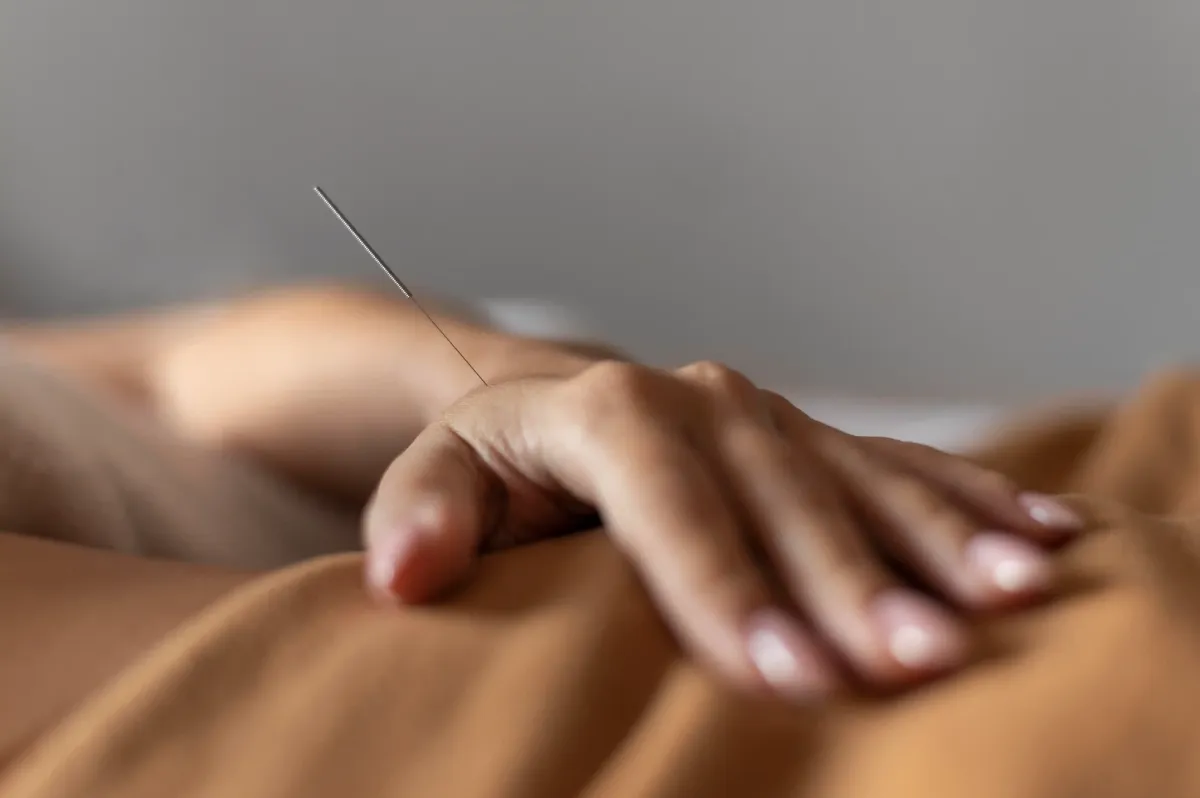
Thin, sterile needles are inserted into specific points on the wrist, forearm, and sometimes other areas of the body
The needles stay in place for about 15–30 minutes
Most people feel minimal discomfort. Some report a slight pressure or tingling sensation, while others feel nothing at all.
The goal is not just to treat the wrist, but to support overall balance in the body. That’s why points beyond the immediate area may also be used.
What Are the Key Benefits of Acupuncture for CTS?
Acupuncture appeals to many patients because it offers a low-risk, non-surgical option for symptom relief. When used alongside standard care, it can make a noticeable difference in day-to-day comfort. Some of the most practical benefits include:
Pain reduction without medication
Improved hand function
Reduced tingling and numbness
Minimal side effects
Whole-body support
Another advantage is that acupuncture focuses on consistency. Instead of masking symptoms for a few hours, it works gradually to improve how your body responds to irritation and inflammation.
Which Acupuncture Points Are Used for Carpal Tunnel?
Treatment is never one-size-fits-all, but certain acupuncture points are commonly used to target wrist pain and nerve irritation.
Some of the most frequently selected points include:
PC-6 (Neiguan): Located on the inner forearm, often used to relieve wrist discomfort and improve circulation
PC-7 (Daling): Near the wrist crease, directly associated with carpal tunnel symptoms
LI-4 (Hegu): Found between the thumb and index finger, widely used for pain relief
HT-7 (Shenmen): Helps calm the nervous system and reduce discomfort
LU-9 (Taiyuan): Supports blood flow and reduces inflammation in the wrist
These points are chosen based on your symptoms, severity, and overall health. The goal is to reduce pressure around the nerve while improving circulation and tissue healing.
Is Acupuncture Safe for Carpal Tunnel Syndrome?
When performed by a trained professional, acupuncture is generally very safe.
Practitioners use sterile, single-use needles and follow strict hygiene protocols. Serious complications are rare. Possible minor side effects include:
Temporary soreness at needle sites
Mild bruising
Lightheadedness in rare cases
For most people, the experience is relaxing rather than uncomfortable.
Still, it’s important to share your full medical history before starting treatment. If you have conditions like bleeding disorders or are taking blood thinners, your provider may adjust the approach.
How Many Sessions Will You Need?
There isn’t a fixed number, because recovery depends on how severe your symptoms are and how your body responds.
That said, a typical plan for CTS might look like:
2 sessions per week for the first 3–4 weeks
Followed by reassessment
Then spaced-out maintenance sessions if needed
Many patients begin to notice changes within a few sessions, especially in pain and tingling. More persistent symptoms, like weakness, may take longer.
Can Acupuncture Cure Carpal Tunnel Syndrome?
It’s important to be clear here. Acupuncture is not a cure for CTS.
What it can do is:
Manage symptoms effectively
Slow progression in early stages
Improve quality of life
Reduce the need for more aggressive treatments
For mild to moderate cases, this can be enough to avoid surgery altogether. For more advanced cases, it can still be useful as part of a broader care plan.
What Other Treatments Work Well Alongside Acupuncture?
The best outcomes usually come from combining therapies rather than relying on just one.
Acupuncture is often paired with:
Physical therapy
Ergonomic adjustments
Wrist splinting
Stretching and nerve gliding exercises
At Manhattan Physical Therapy, treatment plans are typically customized to include a mix of these approaches. This helps address both the symptoms and the underlying causes, not just one piece of the problem.
What Should You Expect After Treatment?
After a session, most people can return to normal activities right away.
You might notice:
Reduced pain or tingling
A sense of relaxation
Slight soreness that fades quickly
Over time, consistent treatment can lead to more stable improvements. However, long-term results also depend on your daily habits.
To maintain progress:
Avoid repetitive strain when possible
Take breaks during work
Use proper wrist positioning
Stay consistent with any recommended exercises
When Should You Consider Acupuncture for CTS?
You may want to consider acupuncture if:
Your symptoms are mild to moderate
You want to avoid or delay surgery
Medications aren’t helping (or causing side effects)
You’re looking for a more natural, supportive approach
Final Thoughts
Carpal tunnel syndrome can be frustrating, especially when it starts to interfere with simple daily tasks. The good news is that you have options beyond medication and surgery.
Acupuncture offers a practical, low-risk way to manage symptoms and support recovery. While it’s not a cure, it can be a valuable part of a well-rounded treatment plan.
If wrist pain, numbness, or tingling is slowing you down, it’s time to get it checked. Call (212)-213-3480 to schedule your consultation and see if acupuncture and physical therapy can help you feel better, faster.
What Do They Say About Us?
Alexander Liu
"Everyone on the team at Manhattan Physical Therapy is super nice and caring. They were able to pretty quickly diagnose my knee and hip problems and immediately put me to work to reduce the pain.."
Henry Myerberg
"You're not just a patient when you come to the Manhattan Physical Therapy. You feel like family there. In particular, Erica with her colleagues John, Lidia and Joe not only fix and improve you physically, they make you feel welcomed and cared for.."
Hakyung Kim
"Everyone is so kind and helpful! my knee and hip pain have improved massively since starting Manhattan PT, highly recommend to anyone. special thanks to Bianca, Lidia, Joe, and John!"
Manhattan Physical Therapy
✆ Phone (appointments):
(212) 213-3480
Address: 385 5th Ave, Suite 503, New York, NY 10016


