

ACL Injury Rehab in NYC
Manhattan Physical Therapy
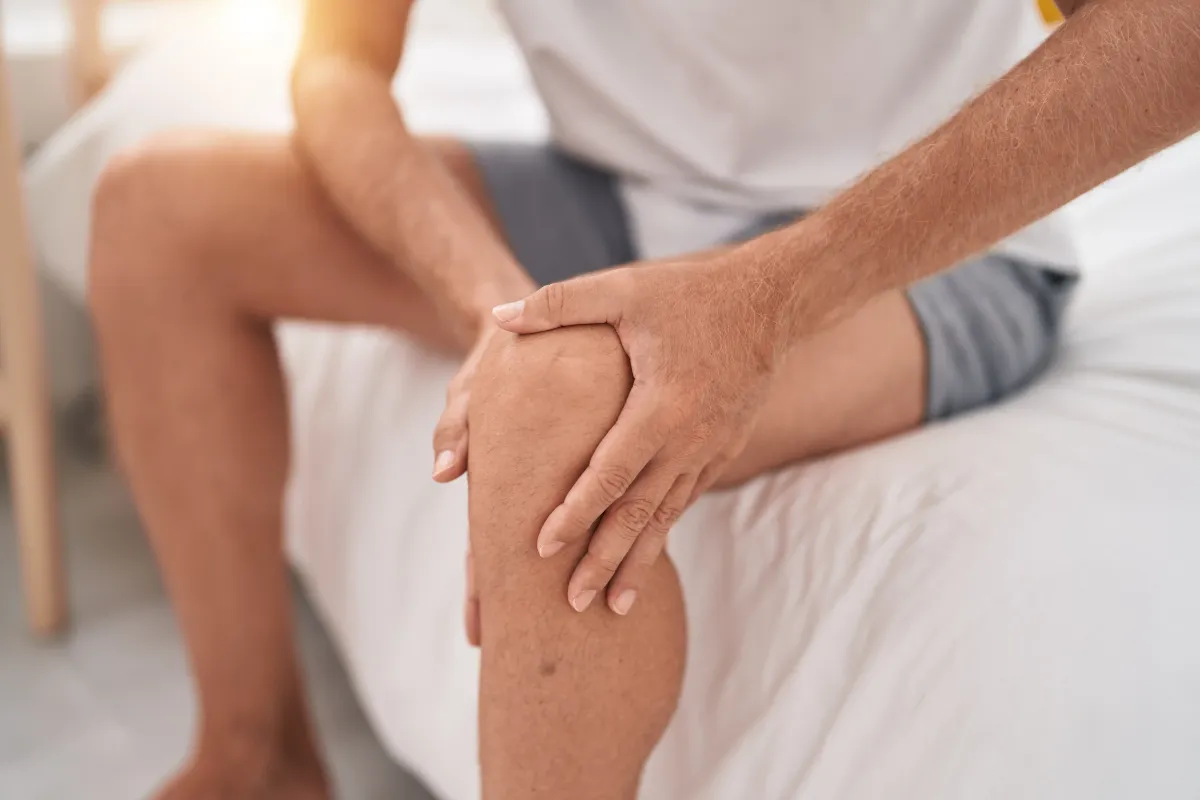
Recovering from an ACL injury is not just about healing a ligament—it’s about restoring confidence, strength, and stability so you can safely return to daily life or sport. At Manhattan Physical Therapy, ACL rehabilitation is built around evidence-based care, hands-on treatment, and personalized recovery plans designed for real people, not generic protocols.
Whether your injury happened during sports, a workout, or a sudden misstep, early and structured physical therapy plays a critical role in protecting your knee and preventing long-term problems
What Is an ACL Injury?
The anterior cruciate ligament (ACL) is one of four major ligaments in the knee. It runs through the center of the joint and helps control rotation and forward movement of the shin bone (tibia). This makes it essential for activities like walking, pivoting, cutting, and changing direction.
An ACL injury occurs when this ligament is overstretched or torn due to a strong force or sudden movement. Most ACL injuries are complete tears rather than partial ones, and many happen without direct contact. In fact, nearly half of ACL injuries also involve damage to nearby structures such as the meniscus, articular cartilage, or other knee ligaments. ACL injuries are commonly graded as:
Grade 1: Mild stretch with no instability
Grade 2: Loosened ligament, often referred to as a partial tear (less common)
Grade 3: Complete tear causing knee instability
A fully torn ACL can significantly affect knee control, making rehabilitation essential whether or not surgery is required.
What Does an ACL Injury Mean for Your Knee?
An ACL injury means your knee has lost some of its natural stability. Many patients describe the knee as “giving way,” especially during side-to-side movements or when turning quickly. This instability can interfere with everyday activities such as walking downstairs, getting out of a car, or standing for long periods.
Without proper ACL rehab, the knee may remain unstable, increasing the risk of repeat injuries, cartilage wear, and early arthritis. That’s why structured physical therapy is a cornerstone of ACL injury recovery in NYC—helping patients regain motion, strength, and confidence in their knee.
Common Symptoms of an ACL Injury
ACL injuries often happen suddenly and are hard to ignore. While symptoms vary, most patients experience a combination of the following:
A popping sensation or sound at the time of injury
Rapid swelling within the first 24 hours
Sharp or deep knee pain
Difficulty bearing weight on the injured leg
Reduced range of motion
A feeling of instability or buckling
Some people may be able to walk in a straight line shortly after injury, but twisting or lateral movements usually feel unsafe or painful.
What Causes an ACL Injury?
Most ACL tears are caused by non-contact movements that place excessive stress on the knee. These injuries are common in sports but can also occur during everyday activities. Common causes include:
Sudden stops or changes in direction
Landing incorrectly after a jump
Slowing down quickly while running
Pivoting on one leg
Direct blows to the knee during contact sports
Muscle weakness or poor neuromuscular control
Athletes involved in soccer, basketball, football, skiing, volleyball, and tennis are especially at risk. Previous ACL injuries also increase the likelihood of re-injury, making proper rehabilitation even more important.
Diagnosing an ACL Injury
If you suspect an ACL injury, timely evaluation is essential. At Manhattan Physical Therapy in NYC, we work closely with orthopedic specialists to ensure an accurate diagnosis. Diagnosis typically begins with a thorough physical examination, including tests to assess knee stability and range of motion.
Imaging may also be recommended to confirm the severity of the injury and identify any additional damage to surrounding structures. X-rays can rule out fractures, while MRI scans provide a detailed view of the ACL, meniscus, and cartilage. Early and precise diagnosis allows for a personalized rehabilitation plan that targets your specific needs.
Treatment Options for ACL Injuries
Treatment depends on the severity of the injury, your lifestyle, and activity goals. For many patients, structured physical therapy is the first and most crucial step, even when surgery is required.
Non-surgical options:
Rest, ice, compression, and elevation (RICE) to manage pain and swelling
Bracing to stabilize the knee
Physical therapy to restore strength, mobility, and proprioception
Surgical options:
ACL reconstruction may be recommended for complete tears, particularly in athletes or highly active patients
Surgery is typically followed by a structured physical therapy program to maximize recovery and prevent re-injury
Early intervention and consistent rehabilitation often reduce the need for invasive procedures, shorten recovery time, and improve long-term knee function.
Best Physiotherapy Methods for ACL Rehab
Effective ACL rehabilitation requires a structured, evidence-based approach to restore knee stability, strength, and mobility. At Manhattan Physical Therapy in NYC, our programs focus on seven key physiotherapy methods that together ensure a safe and complete recovery.
1. Range of Motion Exercises
Early motion exercises help restore flexibility, reduce stiffness, and manage pain. Gradual guided movements of the knee’s flexion and extension ensure the ligament heals without unnecessary strain.
2. Strengthening Workouts
Targeted exercises like quadriceps sets, hamstring curls, hip abduction, bridging, and straight leg raises rebuild surrounding muscles, correct imbalances, and protect the knee from future injury.
3. Proprioception and Balance Training
Balance boards, stability balls, and wobble exercises retrain the nervous system to improve joint awareness, coordination, and stability, reducing the risk of re-injury.
4. Manual Therapy
Hands-on techniques, including soft tissue mobilization and joint manipulation, relieve pain, improve blood circulation, prevent scar tissue formation, and enhance knee mobility.
5. Neuromuscular Electrical Stimulation (NMES)
NMES uses gentle electrical currents to activate muscles weakened by injury, preventing atrophy and improving strength and neuromuscular control.
6. Hydrotherapy
Water-based exercises offer low-impact strengthening and flexibility training, utilizing buoyancy and resistance to reduce stress on the knee while promoting safe movement.
7. Functional Movement Drills
Balance training, plyometric jumps, and agility ladder exercises restore dynamic stability, coordination, and power, preparing patients for sports and daily activities safely.
By combining these methods, ACL rehabilitation addresses all aspects of recovery—mobility, strength, stability, and functional movement—ensuring a quicker, safer, and more complete return to activity.
An ACL injury doesn’t have to keep you sidelined. With the right care and a structured rehab program, you can regain mobility, strength, and confidence in your knee. call us today at (212)-213-3480 to schedule your consultation and start your journey toward full recovery.
What Do They Say About Us?
Alexander Liu
"Everyone on the team at Manhattan Physical Therapy is super nice and caring. They were able to pretty quickly diagnose my knee and hip problems and immediately put me to work to reduce the pain.."
Henry Myerberg
"You're not just a patient when you come to the Manhattan Physical Therapy. You feel like family there. In particular, Erica with her colleagues John, Lidia and Joe not only fix and improve you physically, they make you feel welcomed and cared for.."
Hakyung Kim
"Everyone is so kind and helpful! my knee and hip pain have improved massively since starting Manhattan PT, highly recommend to anyone. special thanks to Bianca, Lidia, Joe, and John!"
Manhattan Physical Therapy
✆ Phone (appointments):
(212) 213-3480
Address: 385 5th Ave, Suite 503, New York, NY 10016


