

A Guide to Female Upper Inner Thigh Pain
Manhattan Physical Therapy
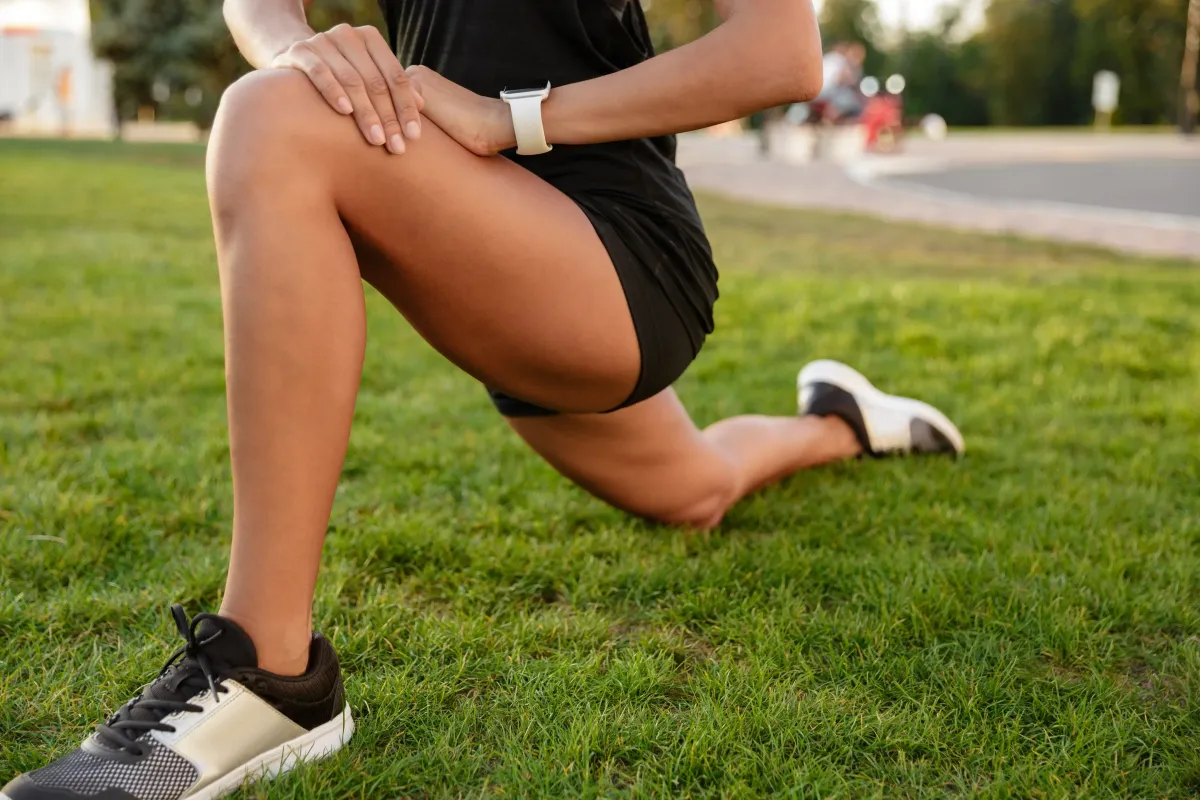
Upper inner thigh and groin pain in women can appear suddenly during exercise or develop slowly as a lingering ache that refuses to go away. For many women, this pain affects more than movement—it interferes with daily routines like climbing stairs, sitting comfortably, or getting restful sleep. Over time, it can create frustration, anxiety, and uncertainty about what’s really going on.
Pain in this area is often misunderstood because the inner thigh connects to multiple systems in the body, including muscles, nerves, joints, and pelvic structures. Understanding the likely causes is the first step toward relief. When you know why the pain is happening, it becomes easier to manage it, prevent it from worsening, and recognize when medical care is necessary.
This guide explains the most common and less obvious reasons for upper inner thigh pain in females, with clear explanations designed to help you make informed decisions about your health.
Where Upper Inner Thigh Pain Comes From in Women
The upper inner thigh sits at the intersection of the hip, pelvis, and groin. Because of this, pain in this region may originate from muscles, tendons, nerves, joints, or even internal organs. In women, hormonal changes, pregnancy, posture differences, and pelvic anatomy can all influence how stress is distributed across this area.
Some causes are mild and improve with rest and targeted care. Others may signal nerve involvement, joint problems, or medical conditions that require prompt attention. The challenge is that symptoms often overlap, making professional evaluation important when pain persists or worsens.
Common Causes of Inner Thigh and Groin Pain in Women
Muscle Strains and Soft-Tissue Injuries
Strains of the adductor muscles—the muscles running along the inner thigh—are among the most frequent causes of upper inner thigh pain. These injuries often occur during exercise, sudden directional changes, lifting, or stretching beyond normal limits. Pain may feel sharp initially and then settle into a deep ache, especially during walking or stair climbing.
Tendon Overuse and Tendinopathy
Repetitive movements or prolonged stress on the inner thigh can irritate the adductor tendons, leading to tendinopathy. This condition typically causes pain that worsens with activity and improves with rest. Without proper treatment, symptoms may linger and limit daily movement.
Nerve-Related Pain
Nerve compression or irritation can produce burning, tingling, numbness, or shooting pain in the upper thigh. Conditions such as genitofemoral neuralgia or femoral nerve irritation may develop after surgery, injury, or prolonged pressure in the groin region. Unlike muscle pain, nerve pain often feels sharp, electrical, or spreading.
Osteitis Pubis
Inflammation of the pubic symphysis joint can cause pain that radiates into the inner thigh and groin. This condition is more common in women with repetitive stress to the pelvis or changes in pelvic alignment, including those related to pregnancy or postpartum recovery.
Pelvic and Postural Changes
Hormonal shifts and biomechanical changes—especially during pregnancy—can alter muscle balance and joint stability. These changes may increase strain on the inner thigh and groin muscles, leading to persistent discomfort even without a specific injury.
Other Possible Causes That Shouldn’t Be Overlooked
While musculoskeletal issues are common, inner thigh pain can sometimes originate from other systems in the body.
Hernias
Hip Joint Conditions
Urinary or Kidney Issues
Gynecological Conditions
Deep Vein Thrombosis (DVT)
Because symptoms can overlap, persistent or unexplained inner thigh pain should never be ignored.
Symptoms and Warning Signs of Upper Inner Thigh Pain
Inner thigh and groin pain can feel different depending on the underlying cause. Some symptoms appear suddenly after activity, while others develop gradually and persist throughout the day.
Common Symptoms Women Experience
Sharp or stabbing pain, especially during movement
Dull, aching discomfort that worsens with prolonged sitting or standing
Burning, tingling, or numbness that may suggest nerve involvement
Tightness, stiffness, or reduced range of motion
Swelling or tenderness along the inner thigh or groin
Pain may increase when walking uphill, climbing stairs, getting in and out of a car, or turning in bed at night. Some women also notice discomfort during activities that require hip rotation or core engagement.
Red Flags That Need Immediate Medical Attention
Certain symptoms should never be ignored, as they may indicate a serious medical condition:
Sudden, severe pain without an obvious injury
Noticeable lumps or swelling in the groin
Red, bluish, or warm skin over the thigh
Fever or chills accompanying pain
Shortness of breath or chest pain
Difficulty walking or bearing weight
These signs may point to conditions such as infection, hernia complications, or deep vein thrombosis and require urgent evaluation.
How Upper Inner Thigh Pain Is Diagnosed
Diagnosing inner thigh pain starts with a detailed history and physical examination. Your provider may ask about activity levels, recent injuries, surgeries, or changes such as pregnancy.
Diagnostic Methods May Include:
Physical examination
Imaging tests
Nerve testing
Medical screening
Because many conditions overlap, accurate diagnosis is key to effective treatment.
How Physical Therapy Helps Upper Inner Thigh Pain
Physical therapy addresses the root cause of upper inner thigh pain rather than just masking symptoms. Research shows that targeted strengthening, mobility work, and neuromuscular training can reduce groin and inner-thigh pain by 40–70% within 6–8 weeks. Physical therapy improves hip stability, corrects muscle imbalances, and restores normal movement patterns, leading to measurable gains in flexibility, walking tolerance, and daily function while significantly lowering the risk of recurrence.
Exercises for Upper Inner Thigh Pain in Females
Targeted exercises can play an important role in easing upper inner thigh pain by improving muscle flexibility, strength, and control. The goal is not to push through pain, but to prepare the muscles for movement and gradually restore balance around the hip and groin. A combination of dynamic stretches before activity and static stretches after exercise is often most effective.
Dynamic Inner Thigh Stretches (Warm-Up Phase)
Dynamic stretches are best done before exercise or when the groin feels tight. These movements gently increase blood flow, reduce stiffness, and prepare the inner thigh muscles for safe activity.
Leg Swings
Leg swings help activate the inner thighs, hips, and glutes while improving coordination.
Stand with feet shoulder-width apart
Shift your weight onto one leg and gently swing the other leg side to side
Keep your torso upright and avoid twisting
Start with small movements and gradually increase the range
Perform about 20 controlled swings on each leg
Crossover (Grapevine) Movement
This flowing movement improves inner thigh mobility and coordination.
Stand upright with feet together
Step sideways, crossing one foot in front of the other
Continue stepping in one direction, then switch sides
Start slowly and increase speed as you feel comfortable
Continue for 2–3 minutes
Static Inner Thigh Stretches (Cool-Down Phase)
Static stretches are most effective after exercise, once muscles are warm. These stretches help reduce tightness and improve flexibility over time.
Butterfly Stretch
This stretch targets the inner thighs, hips, and lower back.
Sit on the floor with the soles of your feet together
Gently pull your heels toward your body
Keep your back straight and shoulders relaxed
Allow your knees to fall outward naturally
Hold for 15–30 seconds, breathing slowly
Repeat 3 times
Lateral Squat Stretch
This stretch lengthens the inner thigh while improving hip mobility.
Stand with feet wider than shoulder-width apart
Shift your weight to one side and bend that knee
Keep the opposite leg straight and chest upright
Hold for 10–20 seconds before switching sides
Repeat 3–4 times on each side
Reclining Bound Angle Pose
A gentle stretch that relaxes the hips and groin, especially helpful for those who sit for long periods.
Lie on your back with knees bent
Bring the soles of your feet together
Allow your knees to lower toward the floor
Relax your hips and breathe deeply
Hold for 20–30 seconds
Repeat 3 times
Source: Healthline
Important Exercise Tips for Inner Thigh Pain
Stop immediately if sharp or worsening pain occurs
Move slowly and with control
Avoid bouncing or forcing stretches
Be consistent rather than aggressive
If pain persists, professional guidance is recommended
When Should You See a Doctor?
Not all inner thigh pain requires medical treatment, but there are clear situations where professional care is important.
You should consider seeing a healthcare provider if:
Pain lasts longer than 7–10 days despite rest
Symptoms worsen instead of improving
Pain interferes with daily activities or sleep
You experience numbness, weakness, or spreading pain
There is a history of surgery, pregnancy, or trauma
How to Prevent Upper Inner Thigh Pain
While not all causes are preventable, many cases of inner thigh pain can be reduced with simple strategies.
Practical Prevention Tips
Warm up before exercise and cool down afterward
Strengthen hip, core, and inner thigh muscles
Avoid sudden increases in activity intensity
Maintain good posture during sitting and standing
Address muscle imbalances early, especially after pregnancy or injury
If upper inner thigh pain is limiting your movement or daily comfort, don’t wait for it to worsen. Seeking timely care can help you recover faster and avoid complications.
What Do They Say About Us?
Alexander Liu
"Everyone on the team at Manhattan Physical Therapy is super nice and caring. They were able to pretty quickly diagnose my knee and hip problems and immediately put me to work to reduce the pain.."
Henry Myerberg
"You're not just a patient when you come to the Manhattan Physical Therapy. You feel like family there. In particular, Erica with her colleagues John, Lidia and Joe not only fix and improve you physically, they make you feel welcomed and cared for.."
Hakyung Kim
"Everyone is so kind and helpful! my knee and hip pain have improved massively since starting Manhattan PT, highly recommend to anyone. special thanks to Bianca, Lidia, Joe, and John!"
Manhattan Physical Therapy
✆ Phone (appointments):
(212) 213-3480
Address: 385 5th Ave, Suite 503, New York, NY 10016


