

What’s Causing Pain Along the Outer Edge of My Foot?
Manhattan Physical Therapy
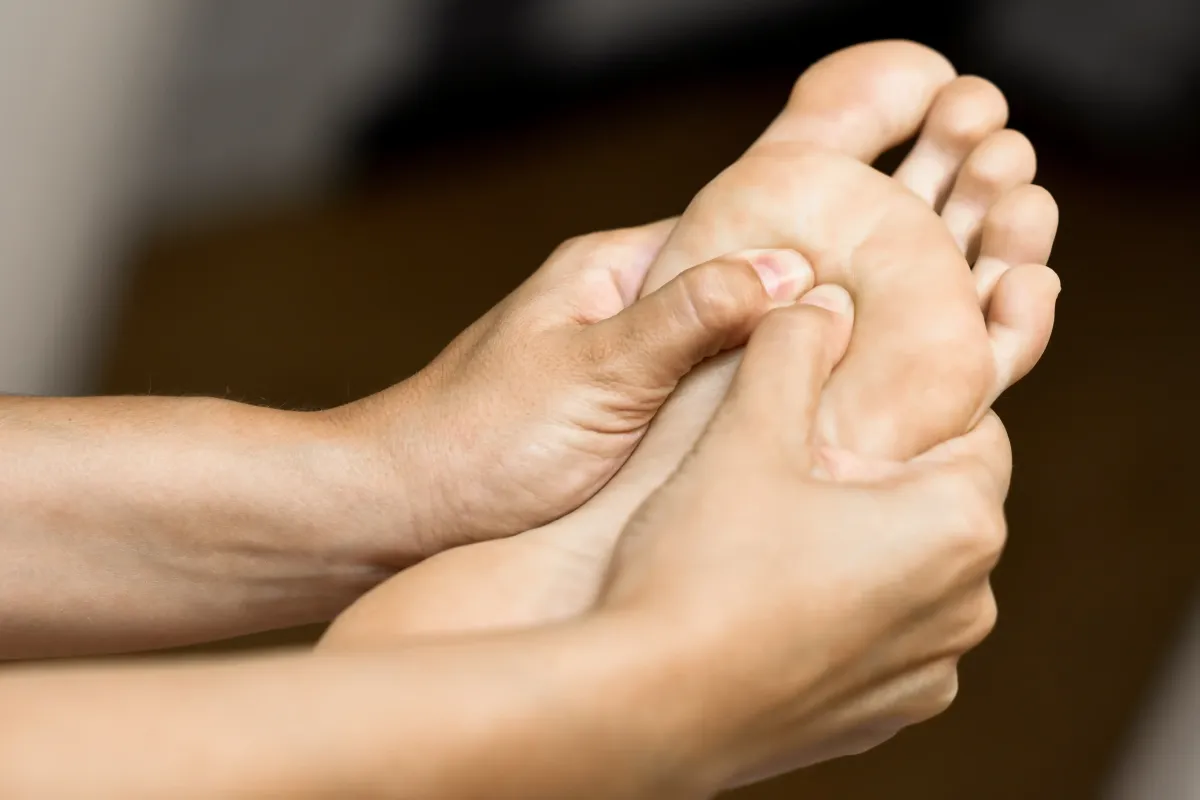
Outer foot pain can feel confusing because it doesn’t always come from a single clear injury. For many people, it starts as a mild ache and slowly becomes sharp, especially when walking, running, or standing for long periods. The outer edge of the foot carries a surprising amount of load during movement, which makes it more vulnerable to stress, overuse, and structural strain.
In fact, studies on foot and ankle complaints show that lateral (outer) foot pain accounts for a significant portion of sports-related lower limb issues, especially in runners and active adults. The challenge is that multiple structures overlap in this small area, so different conditions can create very similar symptoms.
1. Why the Outer Edge of the Foot Becomes Painful
The outer side of your foot isn’t just bone and skin. It’s a complex support zone made up of:
The 5th metatarsal bone
Peroneal tendons that stabilize the ankle
Small joints between foot bones
Ligaments that control side-to-side movement
During walking, nearly 60–80% of body weight shifts through the outer foot during push-off and balance phases. That means even small changes in movement, footwear, or activity level can overload this region.
When stress builds up repeatedly, tissues begin to react. Some become inflamed, others develop micro-tears, and in some cases, bone can start to develop stress reactions before a full fracture appears.
2. Stress Fractures of the 5th Metatarsal
One of the most important causes to rule out is a stress fracture in the 5th metatarsal, the long bone on the outer edge of the foot.
These fractures are typically caused by repetitive loading rather than a single accident. They are especially common in runners, dancers, and people who suddenly increase activity levels. In sports medicine data, stress fractures make up roughly 10% of all sports-related injuries involving the lower limb, with the foot being a frequent site.
What makes them tricky is timing. Early X-rays often look normal in the first 2–3 weeks, even when pain is present. That’s why symptoms matter more than imaging early on. Typical signs include:
Sharp pain on the outer foot during walking or running
Tenderness when pressing the bone
Mild swelling that may or may not appear
Pain that improves with rest but returns with activity
3. Peroneal Tendon Problems (Tendonitis and Overload)
Just behind the outer ankle bone run the peroneal tendons. Their job is simple but essential: they stabilize the foot and prevent the ankle from rolling outward.
When these tendons are overloaded, they can become irritated or inflamed, leading to peroneal tendonitis. This is one of the most common soft-tissue causes of outer foot pain.
Unlike bone injuries, tendon issues often start without any clear trauma. Instead, they develop from repeated strain, especially in people who:
Run frequently or increase mileage quickly
Train on uneven surfaces
Have high arches that shift weight outward
Wear unsupportive footwear for long periods
Symptoms usually include:
Aching or burning along the outer ankle or foot
Swelling near the tendon line
Pain that feels worse after activity or in the morning
4. Sprains, Cuboid Syndrome, and Structural Foot Stress
Not all outer foot pain comes from overuse. Sometimes it starts with a sprain or subtle joint misalignment that changes how the foot moves long-term.
Ankle sprains (especially inversion injuries)
Ankle sprains are one of the most common reasons for lateral foot pain. Around 90% of ankle sprains affect the outer side of the foot and ankle because the foot rolls outward during injury.
Even after the swelling goes down, some people continue to feel pain because the ligaments don’t fully regain strength. This can lead to chronic instability and repeated stress on the outer foot.
This condition happens when the cuboid bone on the outer midfoot becomes slightly restricted or misaligned, often after a twist or sprain.
Typical signs include:
Sharp pain on the outer midfoot
Pain during push-off while walking
A feeling that something is “out of place”
Even though it can feel dramatic, it is often a mechanical issue rather than a structural fracture, and it usually responds well to targeted manual treatment and support.
Foot structure and high arches
People with high arches naturally place more pressure on the outer edge of the foot during walking. Over time, this imbalance can lead to chronic irritation of tendons, joints, and soft tissue.
This is one of the reasons some patients develop recurring pain even without a clear injury history.
5. Bursitis and Soft Tissue Irritation from Overload
Sometimes the pain isn’t coming from a bone or a tendon, but from the small cushioning sacs in the foot called bursae. These structures reduce friction between bones, tendons, and skin. When they become irritated, the result is bursitis.
On the outer edge of the foot, bursitis usually develops from repeated pressure rather than a single injury. This is common in people who spend long hours standing, walk a lot on hard surfaces, or wear shoes that don’t properly distribute weight. What makes this tricky is how vague it can feel. Patients often describe:
A dull, spreading ache along the outer border of the foot
Tenderness when wearing tight shoes
Occasional swelling or thickened skin in the area
Pain that increases after prolonged walking or standing
Unlike a fracture, bursitis rarely causes sharp pinpoint pain. Instead, it feels more diffuse and irritated. The problem is often mechanical, meaning the foot is being overloaded in the same area repeatedly.
6. Arthritis and Joint-Related Wear on the Outer Foot
Arthritis is another important but often overlooked cause of outer foot pain, especially in adults over 40 or those with a previous injury history.
The outer foot contains several small joints that help with stability and movement. Over time, these joints can undergo wear and tear, particularly if there has been past trauma such as sprains or fractures. There are three main patterns seen in the outer foot:
Osteoarthritis, where joint cartilage gradually wears down
Post-traumatic arthritis, which develops after injury
Inflammatory arthritis, which affects multiple joints in the body
Symptoms tend to build slowly and may include:
Stiffness in the foot, especially in the morning
Aching pain that worsens with activity
Reduced flexibility or difficulty walking on uneven surfaces
A deep, “inside the joint” discomfort rather than surface pain
Research on foot arthritis suggests that nearly 1 in 6 adults with chronic foot pain may have some level of degenerative joint involvement, especially if there is a history of ankle sprains.
7. Sinus Tarsi Syndrome and Hidden Instability
Another condition that often goes undiagnosed is sinus tarsi syndrome. This involves inflammation in a small tunnel between the ankle and heel bones on the outer side of the foot.
It frequently appears after repeated ankle sprains or ongoing instability. When the stabilizing ligaments weaken, extra stress shifts into this joint space. People with this condition often report:
Deep aching between the ankle and heel
Pain when walking on uneven ground
A sense of instability or “giving way”
Discomfort during sports or quick direction changes
What makes this condition confusing is that imaging may not always show major structural damage. Instead, the problem is often functional, meaning the joint is irritated due to abnormal movement patterns.
8. When Outer Foot Pain Needs Proper Evaluation
Not every case of outer foot pain is serious, but ignoring persistent symptoms can delay healing significantly. In clinical practice, certain patterns raise concern:
Pain lasting more than 7–10 days without improvement
Pain that worsens with activity instead of improving
Difficulty bearing weight or limping
Localized tenderness over a specific bone
Recurrent ankle rolling or instability
One important point: around 30–40% of stress fractures in the foot are initially misinterpreted as minor soft tissue injuries because early symptoms overlap. This is why ongoing pain should be assessed rather than assumed to be simple strain. A proper evaluation usually includes:
Movement and gait analysis
Palpation of the outer foot structures
Imaging when needed (X-ray or MRI for unclear cases)
Review of footwear and activity load
9. Treatment Approach and What Actually Helps Recovery
Treatment depends heavily on the underlying cause, but most outer foot conditions follow a similar recovery strategy focused on three goals: reduce stress, restore balance, and rebuild strength. Common approaches include:
Activity modification
Reducing high-impact activities early can prevent worsening of stress-related conditions like fractures or tendon overload.
Support and offloading
Footwear changes, orthotics, or temporary bracing can reduce pressure on the outer edge. In many cases, this alone can reduce symptoms noticeably within 2–3 weeks.
Physical therapy
Rehabilitation focuses on:
Strengthening ankle stabilizers
Improving balance and proprioception
Correcting walking or running mechanics
Reducing tendon overload patterns
Medication or anti-inflammatory care
Used selectively to manage pain, especially in inflammatory conditions like bursitis or tendonitis.
Gradual return to activity
A controlled return is essential. Returning too quickly is one of the main reasons symptoms come back in outer foot conditions.
If outer foot pain is affecting your walking or daily routine, getting it checked early can make a big difference in recovery. At Manhattan Physical Therapy, we focus on identifying the exact cause and building a treatment plan that actually fits your movement and lifestyle.
Call (212)-213-3480 to schedule an appointment and get a clear path toward pain relief.
What Do They Say About Us?
Alexander Liu
"Everyone on the team at Manhattan Physical Therapy is super nice and caring. They were able to pretty quickly diagnose my knee and hip problems and immediately put me to work to reduce the pain.."
Henry Myerberg
"You're not just a patient when you come to the Manhattan Physical Therapy. You feel like family there. In particular, Erica with her colleagues John, Lidia and Joe not only fix and improve you physically, they make you feel welcomed and cared for.."
Hakyung Kim
"Everyone is so kind and helpful! my knee and hip pain have improved massively since starting Manhattan PT, highly recommend to anyone. special thanks to Bianca, Lidia, Joe, and John!"
Manhattan Physical Therapy
✆ Phone (appointments):
(212) 213-3480
Address: 385 5th Ave, Suite 503, New York, NY 10016


